Insects That Mimic Stinging Wasps: A Look at Synanthedon acerni

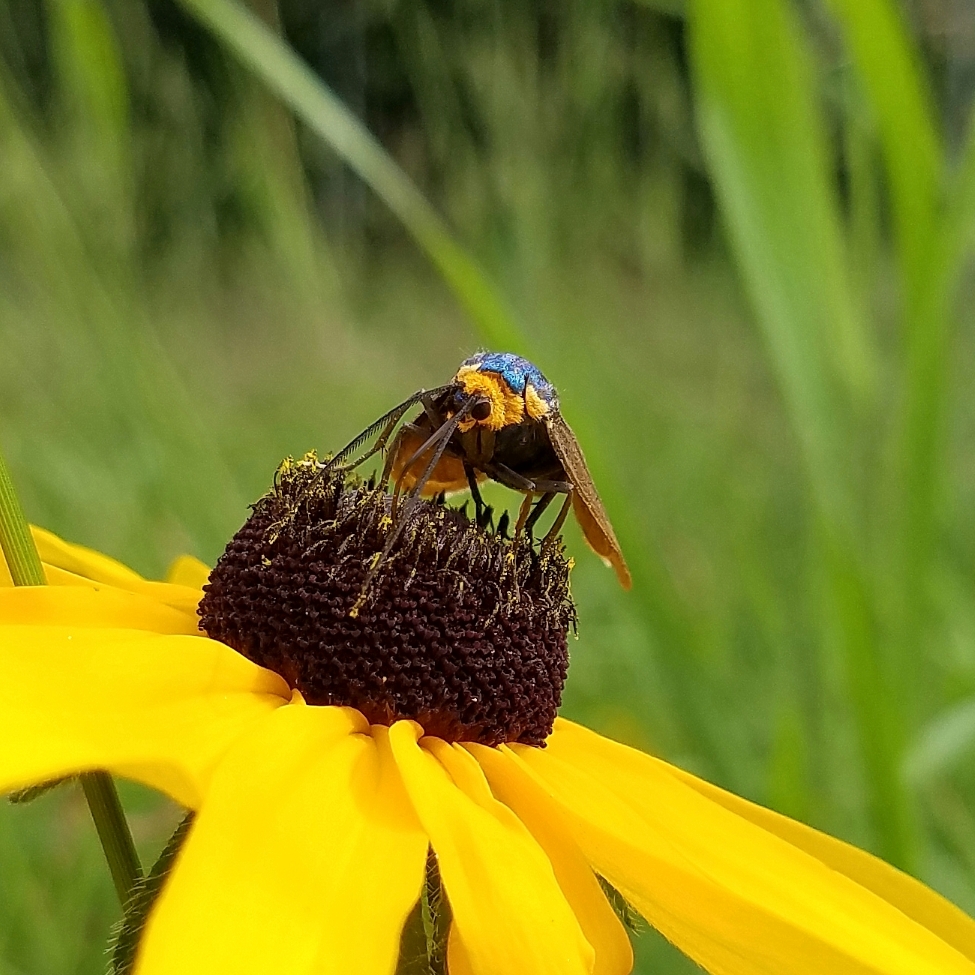
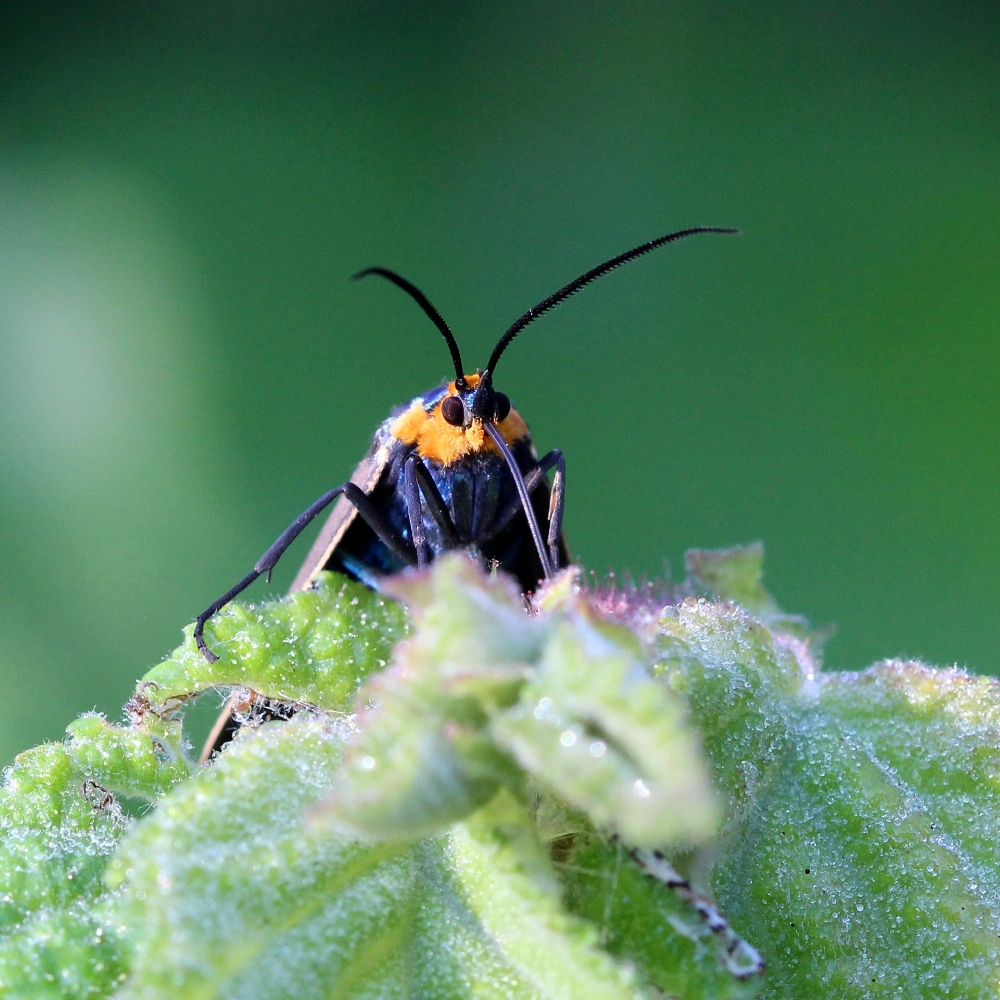
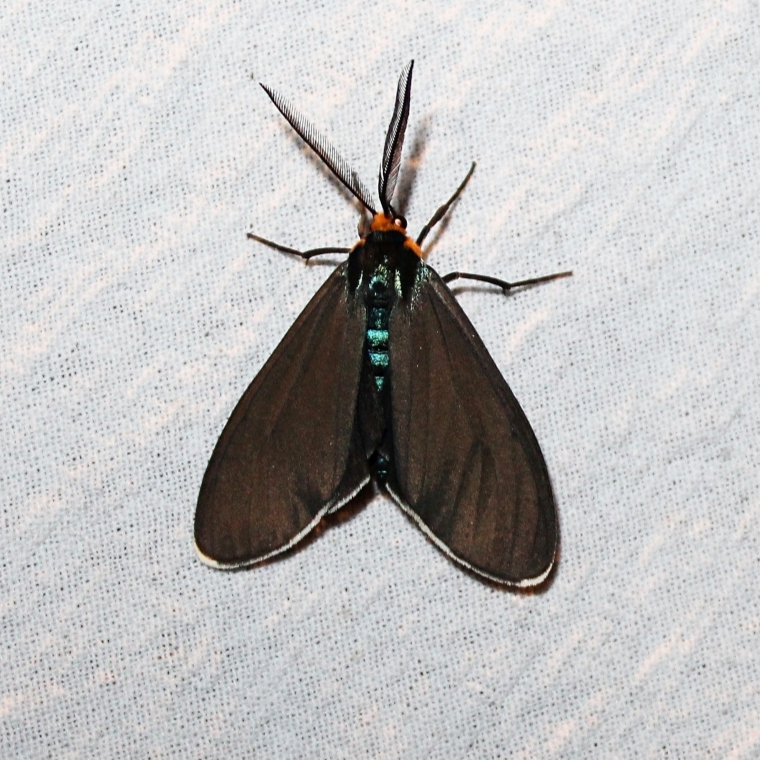
Synanthedon acerni

In a previous post, I wrote about syrphid flies that mimic bees and wasps. But are there other insects with this mimicry superpower? The answer is yes. Other types of flies, beetles, and moths all have species that mimic stinging insects. The moth Superfamily Cossoidea (Carpenter and Clearwing Moths) is notable for the many species that mimic stinging wasps.

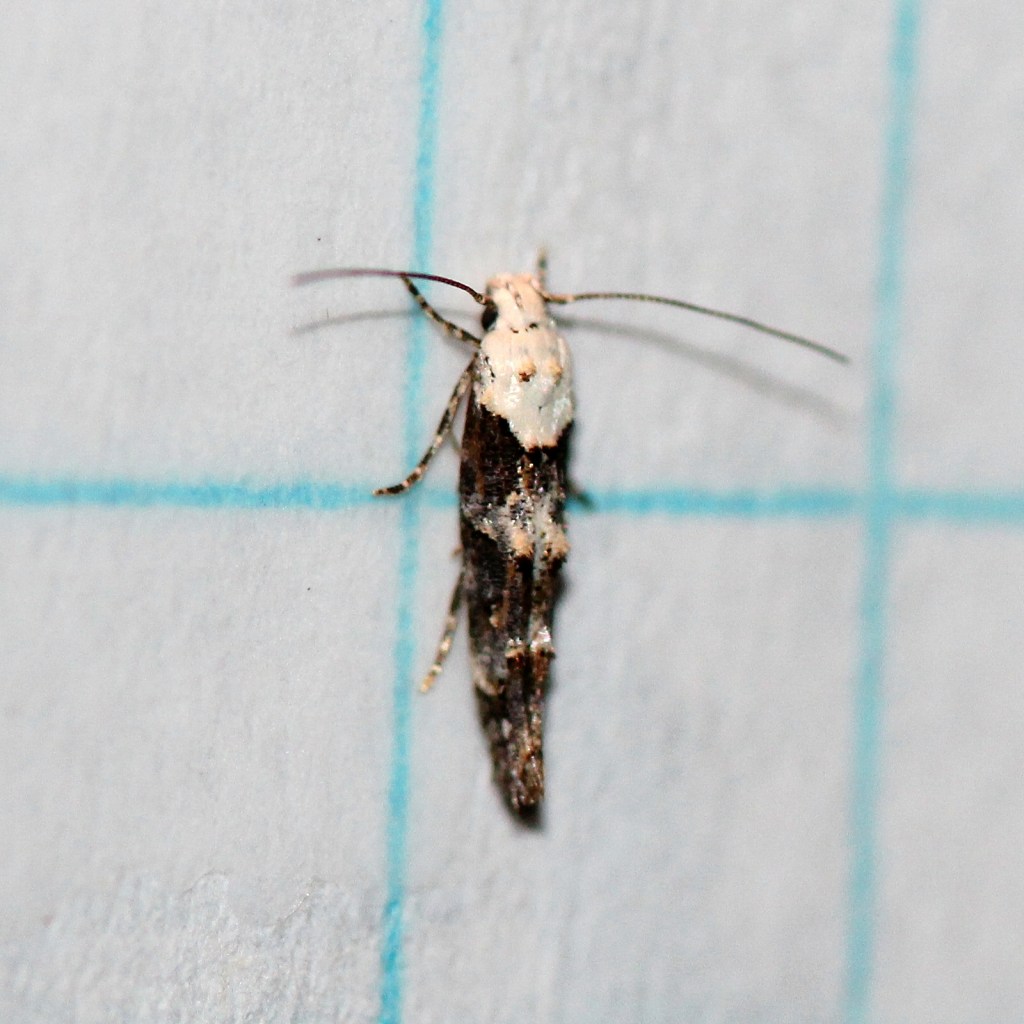
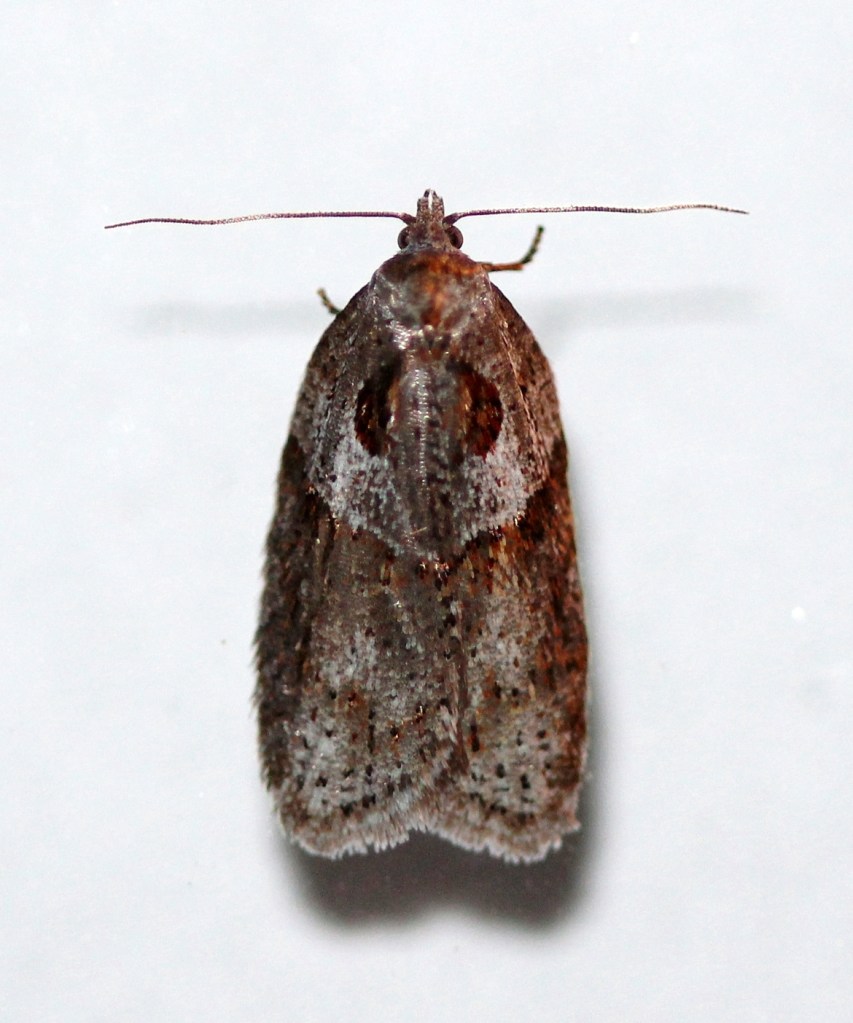
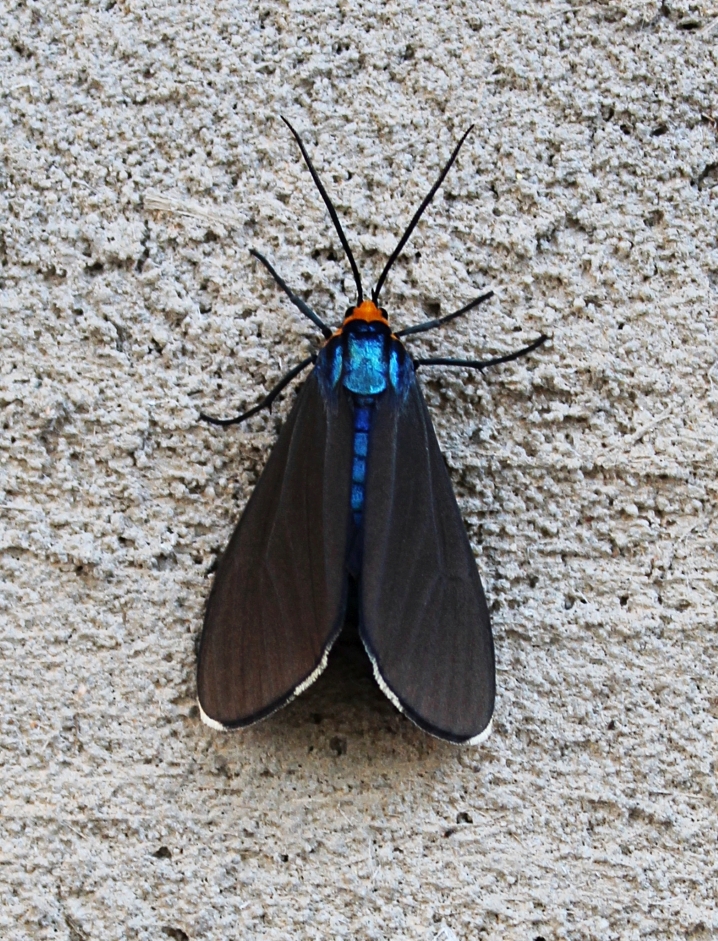
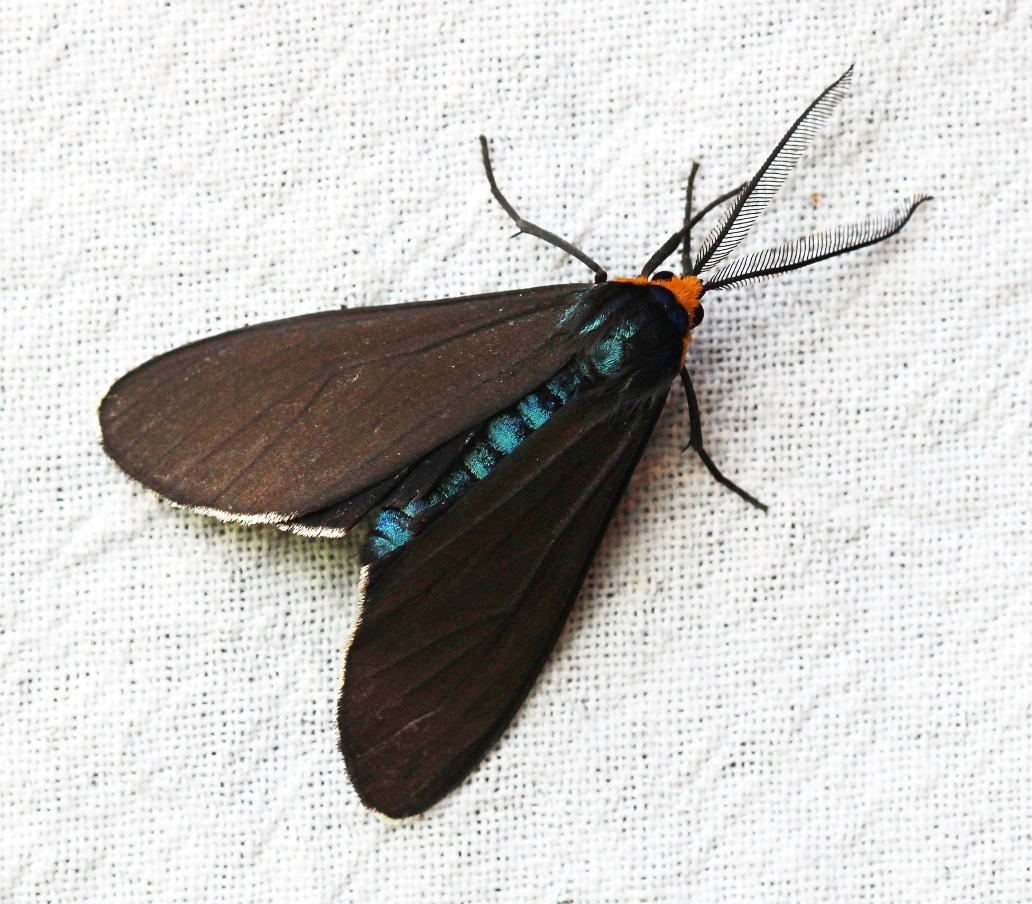
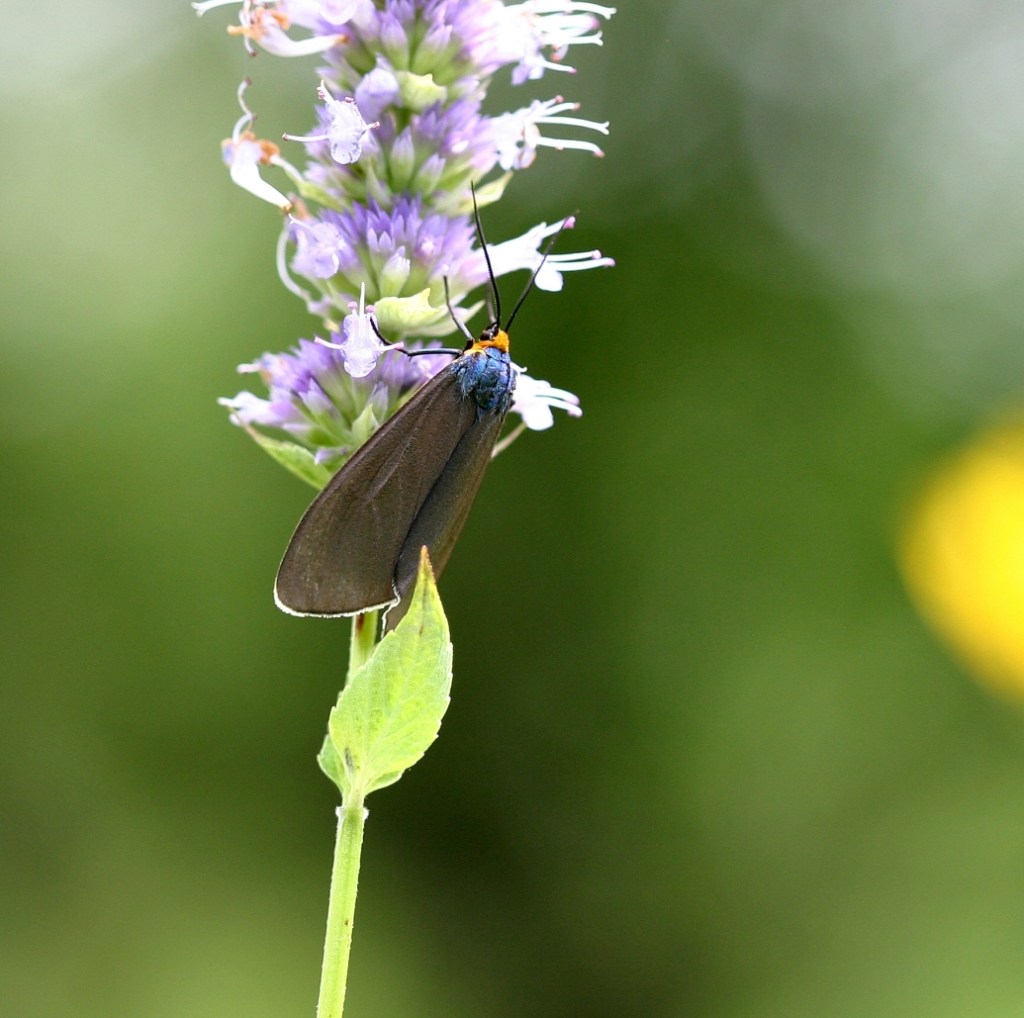
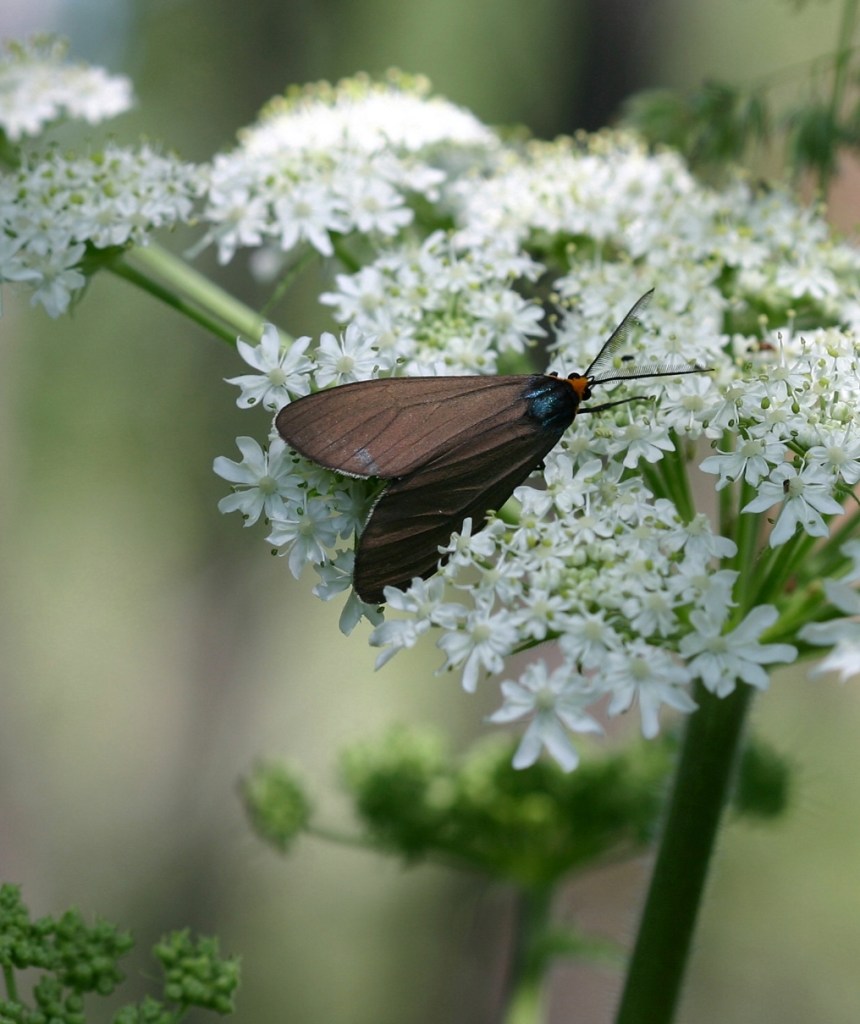
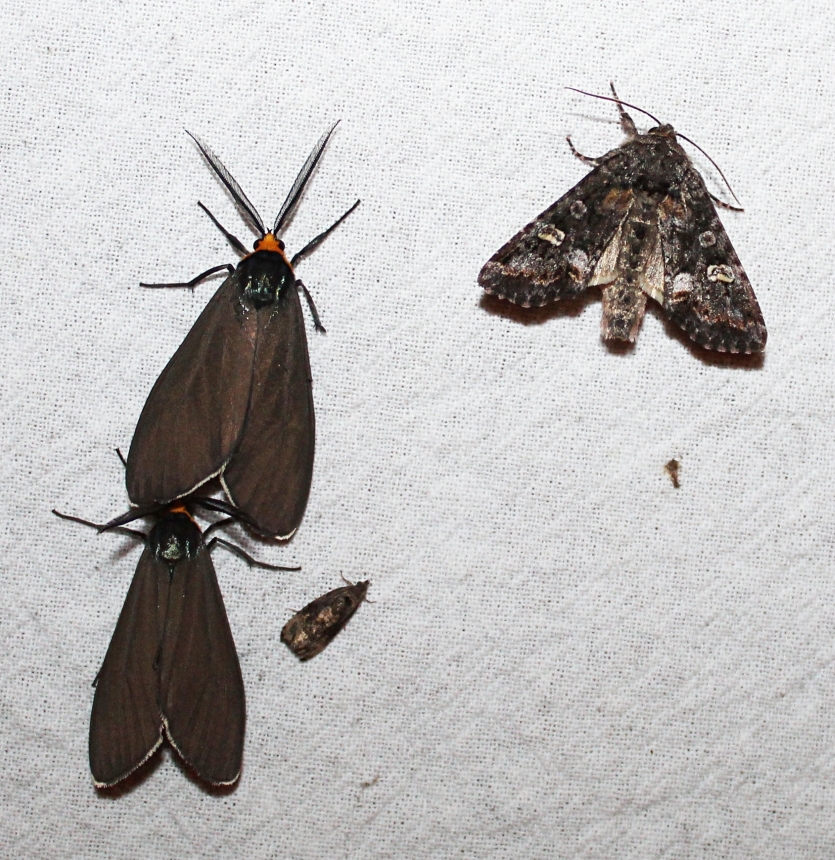
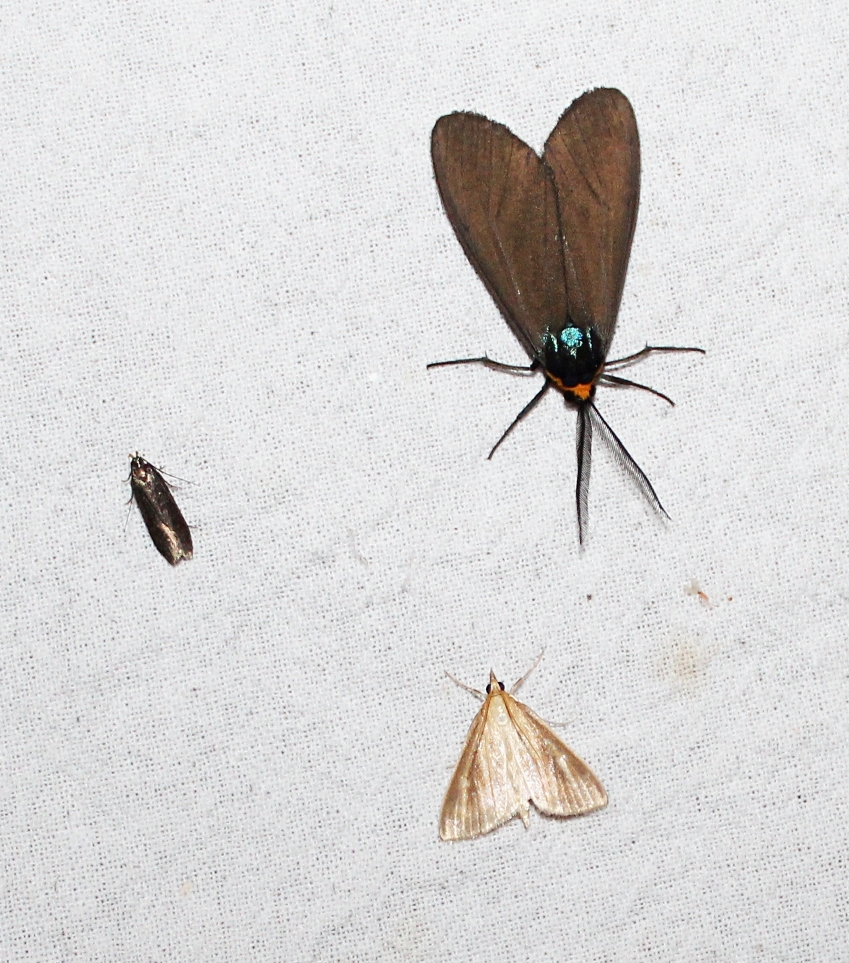
Synanthedon acerni (Family Sesiidae, Subfamily Sesiinae, Tribe Synanthedonini) is one such very wasp-like moth. Its wasp-like appearance allows it to be active during the day while it visits flowers, feeding on nectar.

Life history

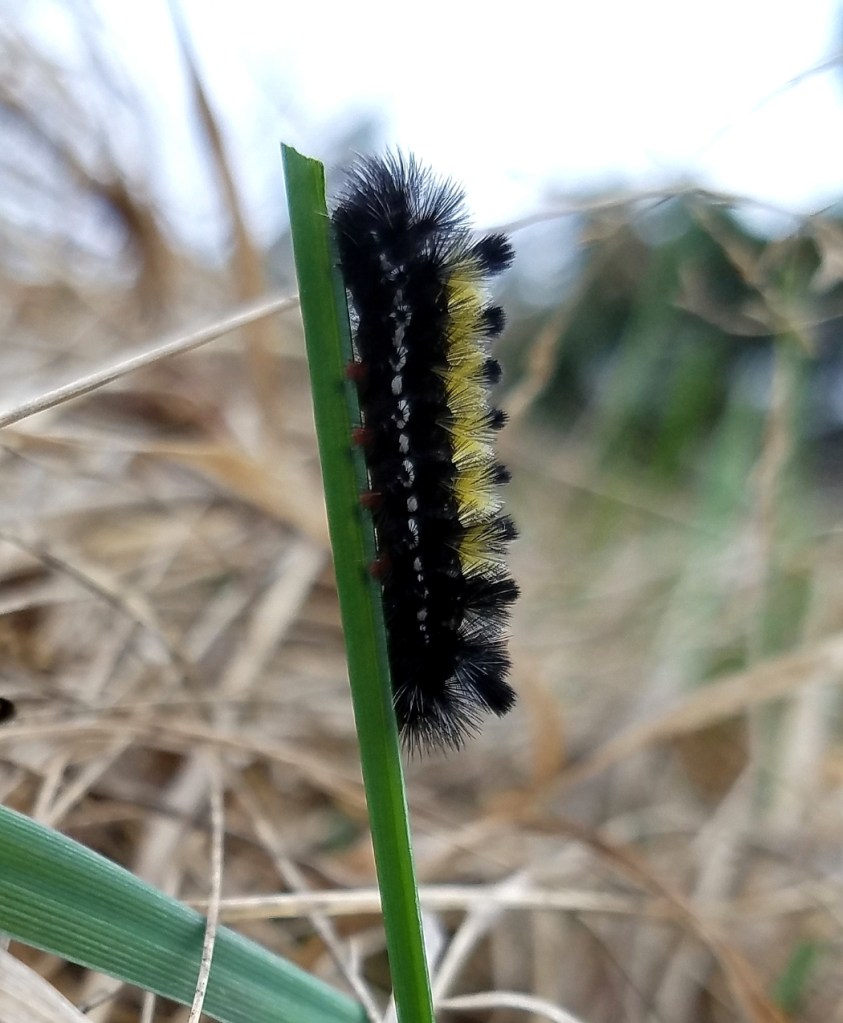
The larvae of Synanthedon acerni are not quite as benign. Known as the maple callus borer moth, its larvae bore into the trunks of maple (Acer spp.) trees. Eggs are laid near wounds in the bark. Entry into the tree is through these wounds on the tree’s trunk. The larvae bore into the bark and then into the cambium, where they feed on the inner bark and sapwood. Feeding takes place during the summer within galleries. In the winter, they hibernate in the galleries and resume feeding in the spring.

At maturity, the larva constructs an oblong cocoon of wood fragments, frass, and silk within the gallery, close to the surface, covered by a thin escape window. When ready to emerge, the pupa cuts open the cocoon and the escape window. The fully formed Synanthedon acerni moth then exits the pupa, which is left partially stuck in the gallery.

The same tree may be used year after year, weakening it and eventually leading to its demise. A callus will form on the trunk after repeated infestations.

A neighborly moth

Haploa contigua, the neighbor moth.

Genus overview

Haploa is a genus of moths in the superfamily Noctuoidea, family Erebidae, subfamily Arctiinae (Tiger and Lichen Moths). The genus comprises six species in North America north of Mexico and is not known from anywhere else. Four species are known from Minnesota: Haploa contigua, Haploa lecontei, Haploa reversa, and Haploa confusa.

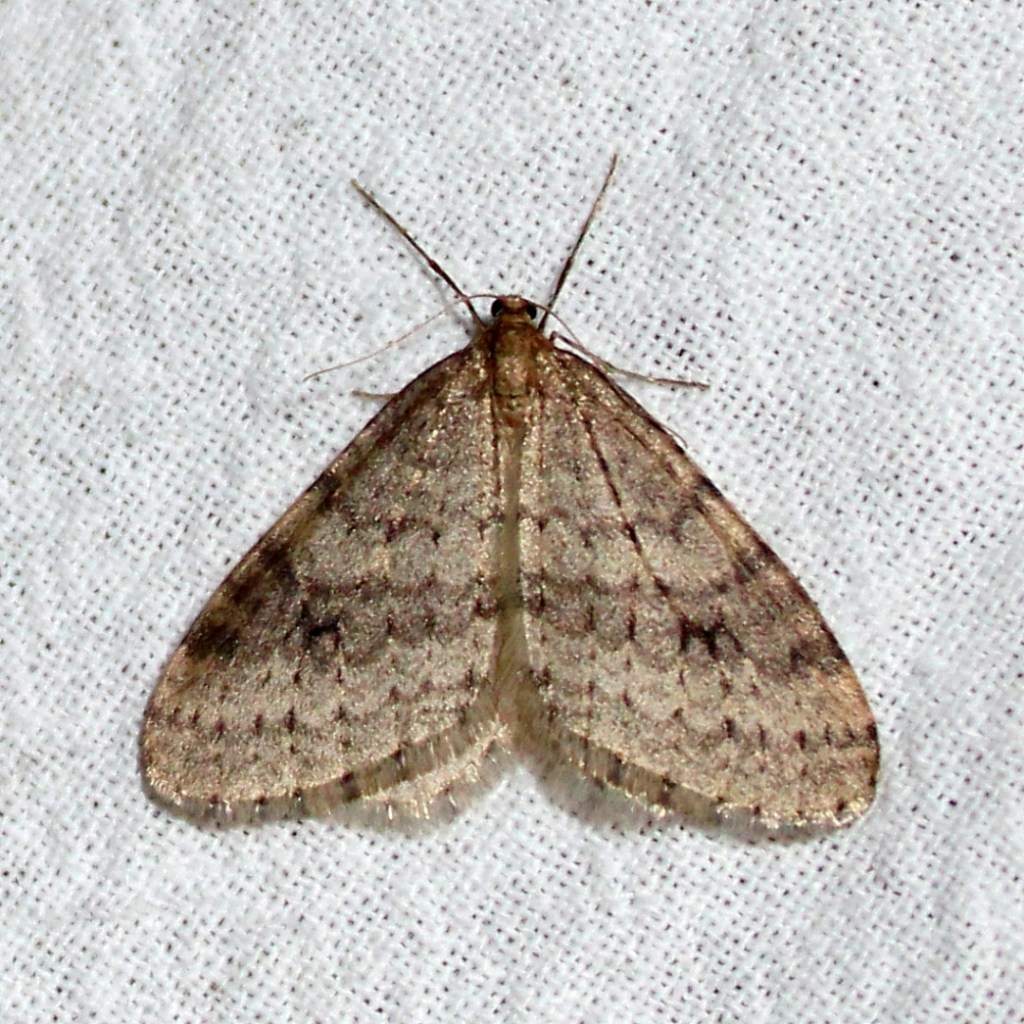
So that’s the easy part. When I look over my photos of Haploa species, I am struck by the way Haploa lecontei, Haploa reversa, and Haploa confusa seem to grade into one another. Why? Maybe because I am misidentifying them. Or maybe because these are just photos of one species and its range of variation. Which species? I’m not sure anymore, but it might be Haploa confusa. The one I am sure of is Haploa contigua.

Haploa contigua

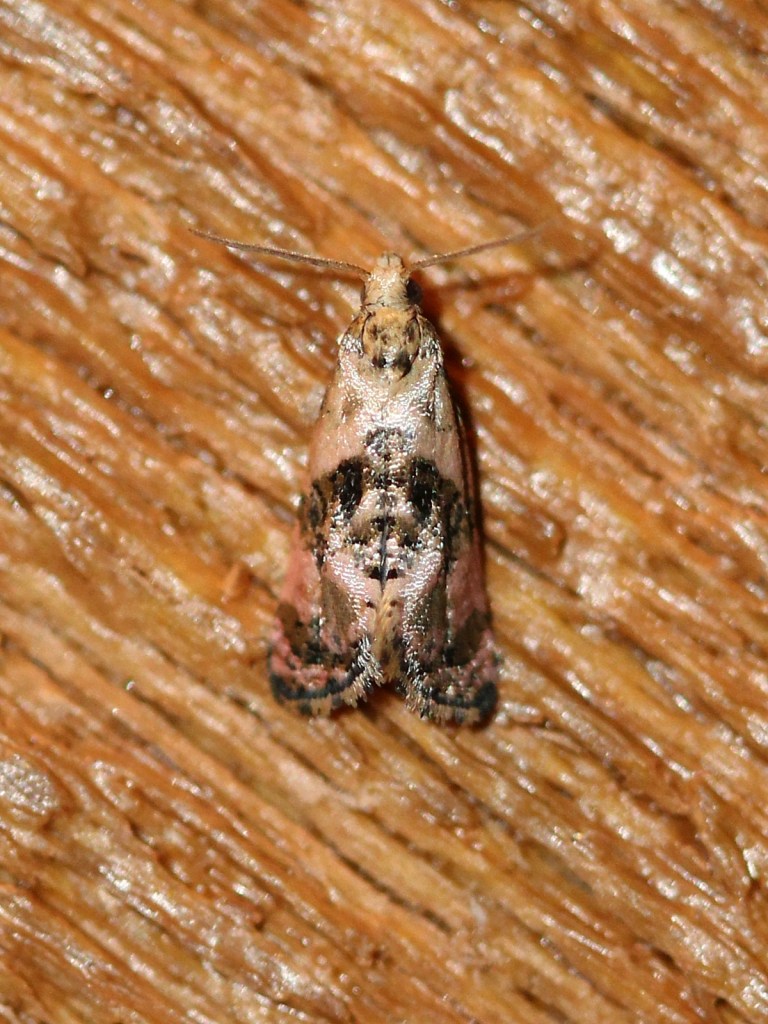
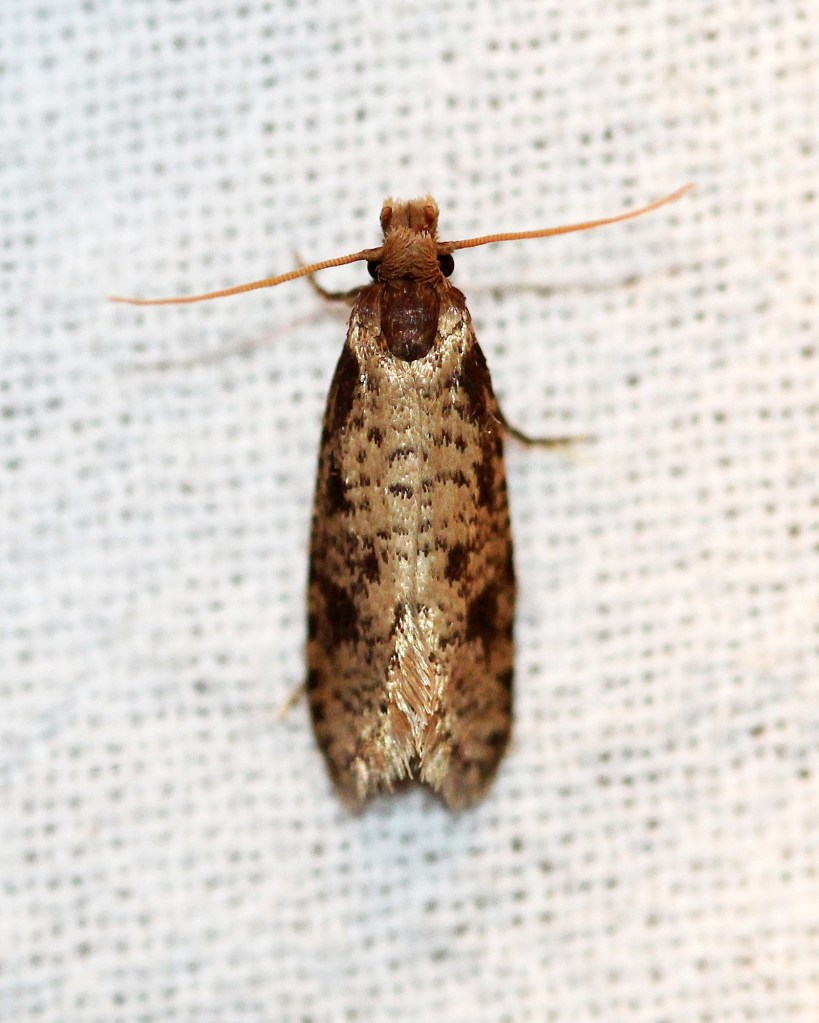
Haploa contigua is one of four species of Haploa with all white hindwings. The base color of the forewings is cream-colored to white. The costa and inner margins are bordered in dark brown. A diagonal dark brown line extends from the costa beyond the midpoint to the inner margin above the anal angle. Joining this is another line running from the outer margin. Haploa contigua lacks any lines or spurs in the antemedial portion of the forewing. All-white individuals are indistinguishable from other Haploa species with all-white forms.

Haploa contigua inhabits mesic woodlands to riparian woodlands. The larvae feed on the leaves of many species of woody and herbaceous plants.

The genus name “Haploa” is from the Greek word for “simplicity, singleness”, and the species epithet “contigua” is from the Latin word for “bordering” and so the neighbor moth.

Epermenia albapunctella: The Tiny Moth You Might Overlook

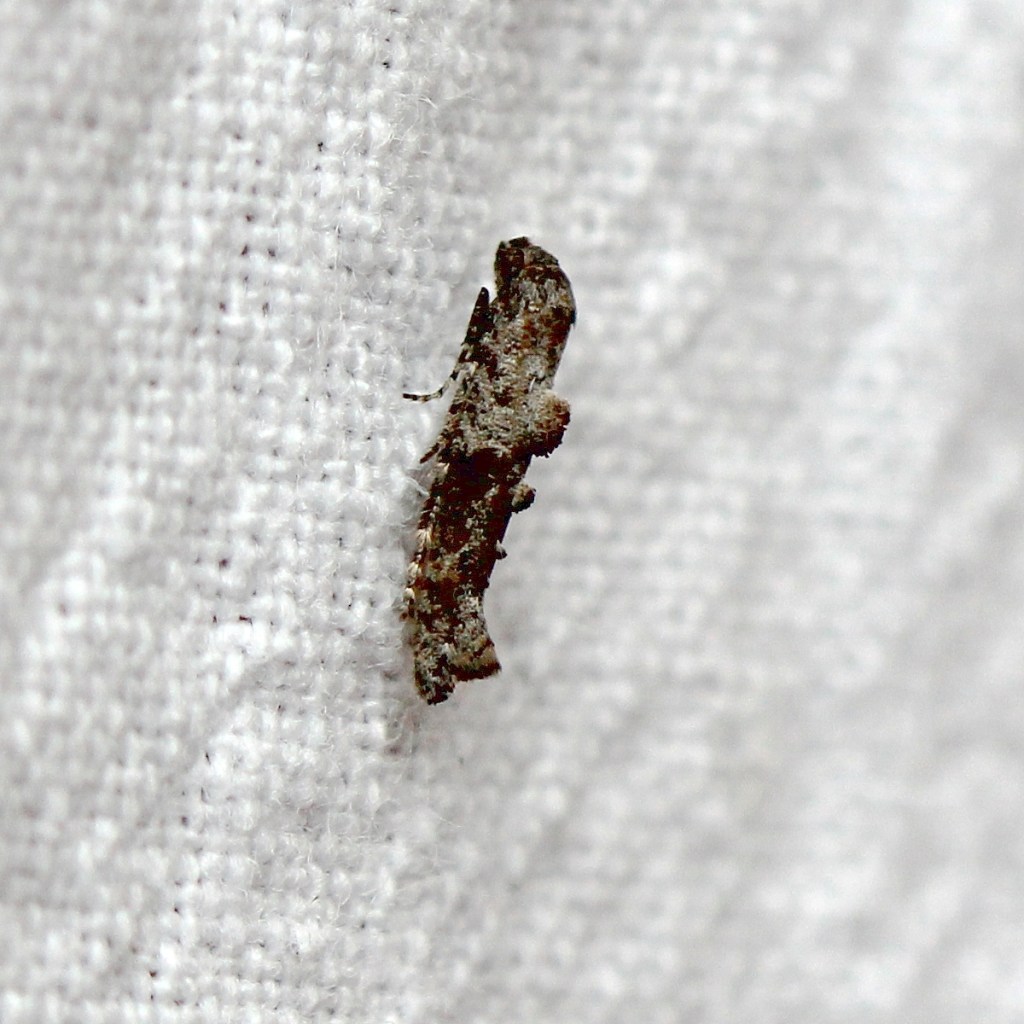
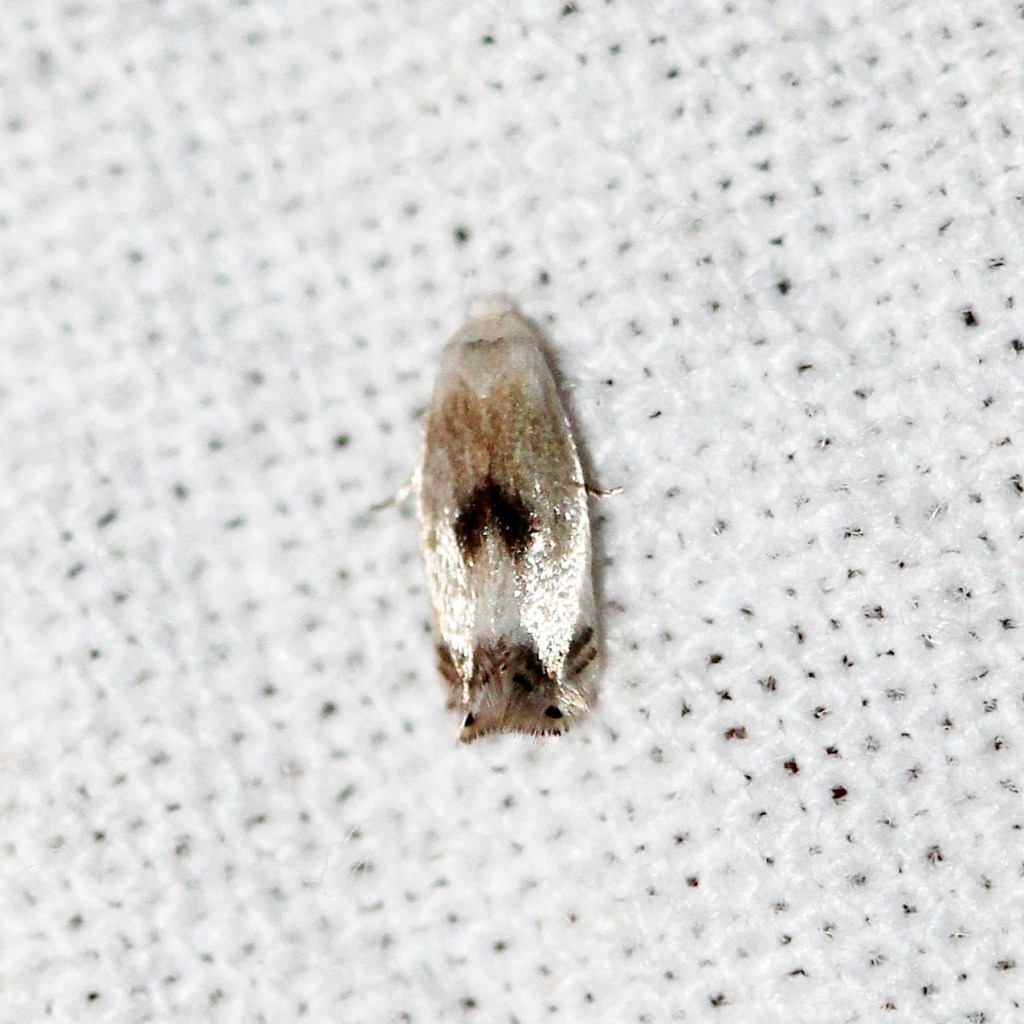
Epermenia albapunctella seen on July 21, 2020.

A speck of dust?

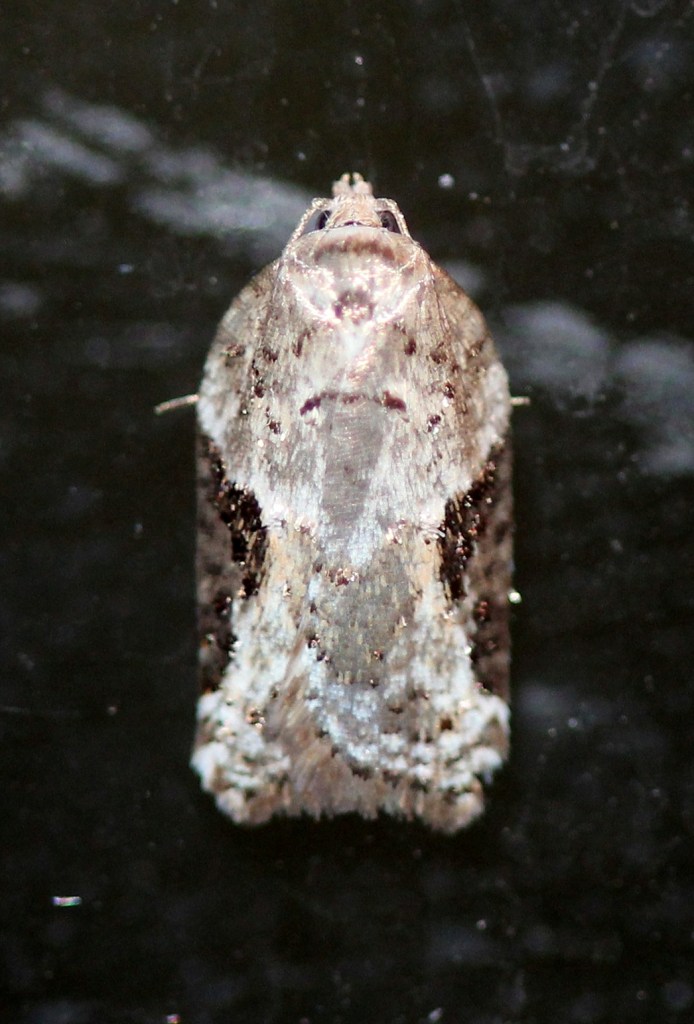
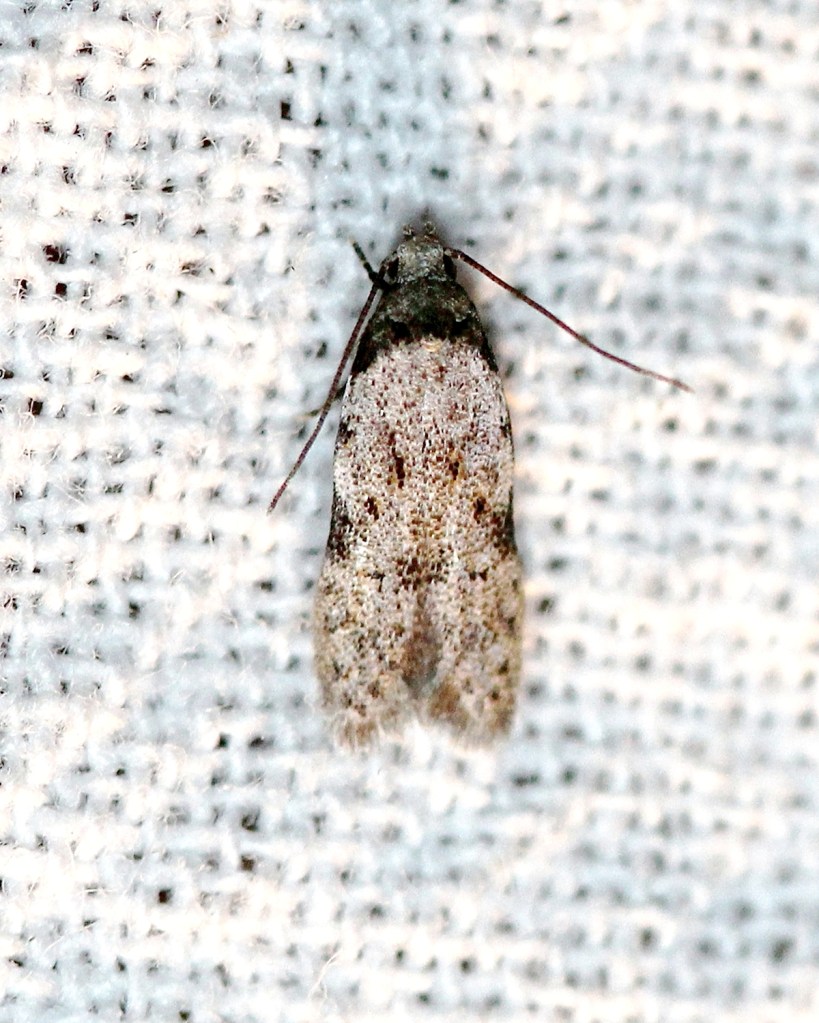
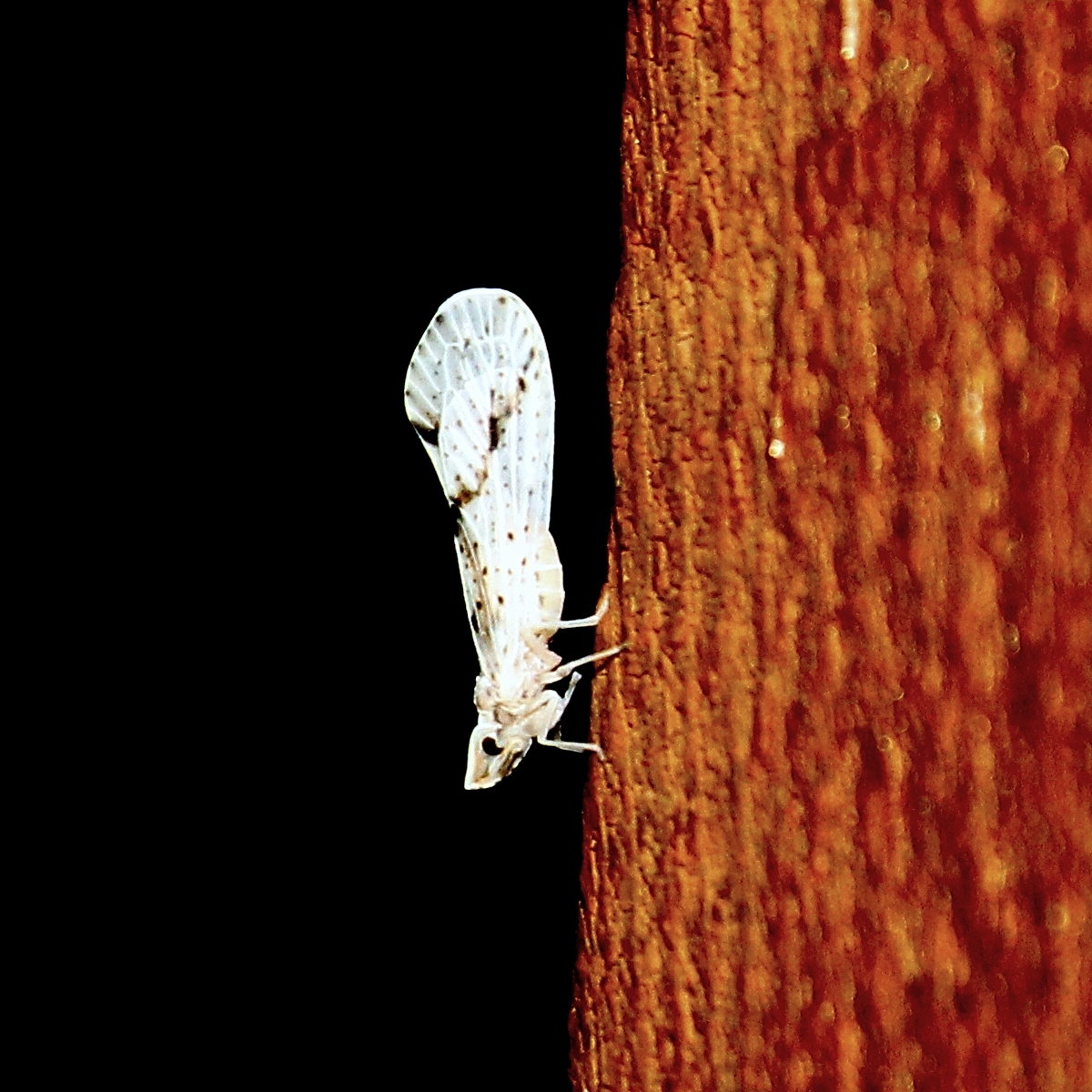
This strange looking gray insect is a moth, and it is very tiny, with a wingspan measuring 13 mm and a body length of around 7 mm (~0.27 inches). It belongs to the genus Epermenia. It may be Epermenia albapunctella, a moth in the Superfamily Epermenioidea (Fringe-tufted Moths), family Epermeniidae.

The first time I saw the moth was in July 2020. I almost passed it by, thinking it was a speck of dust. I’m glad I focused my camera on it because it was not dust but a living moth.

I saw this species two more times after that. Once on September 09, 2018, and again on August 01, 2023.

My third sighting of Epermenia albapunctella on August 01, 2023.

Species determination

While the species identity I have determined is provisional, it is a species of Epermenia. Identifying many tiny moths to species (and even some larger ones) is not always possible from a photo alone or even from visual examination of wing patterns and colors. Very often, genital dissection and DNA sampling are required. These techniques help resolve species identification where one or more related species look very much alike. They can also help to discover cryptic species.

There are numerous sightings of Epermenia albapunctella (MPG and iNaturalist), indicating it is a widespread and somewhat common species.

Epermenia larval host plants

The chief larval host plants of Epermenia are in the Apiaceae (carrot family). They feed by mining the leaves, but later feed outside the leaf in silk webs. However, I could not find information on the feeding habits for all Epermenia species.

Several wild plants in the carrot family grow locally: Cicuta spp. (poison hemlock), Heracleum maximum (cow parsnip), Sanicula spp. (snakeroot), Sium suave (water parsnip), and Osmorhiza spp. (sweet cicely). Feral plants of wild carrot (Daucus carota), parsnip (Pastinaca sativa), and caraway (Carum carvi) are found locally, too. And there are, of course, vegetable gardens with cultivated carrots. They are also Daucus carota, but tastier than the wild form, especially in carrot pie.

The local abundance of wildflowers in Apiaceae makes locating additional Epermenia moths and larvae more likely. Three species growing here in abundance and with the potential to host Epermenia are sweet cicely, spotted hemlock, and cow parsnip.

Future investigations

Next year, after winter has passed, I’ll be examining any plants in the Apiaceae for Epermenia larvae. I might even plant a carrot patch just for Epermenia. Why else would I plant anything if not for the insects that eat them?

I found some more leaf mines

A leaf mine in a big-leaf aster leaf that was probably made by the larva of an Ophiomyia sp., a genus of leaf-mining flies.

Recently, I’ve become more interested in leaf mining insects after finding what might be the serpentine leaf mine of a Stigmella moth in a blackberry leaf. This wasn’t the first moth leaf mine I have found. In 2017, I identified another leaf mining moth, Phyllocnistis populiella, recognizing it from its leaf mine in a balsam poplar leaf.

Later, in 2019, I found the adult of another poplar leaf mining species, Phyllonorycter nipigon. Beyond that, my findings of leaf miners have been sporadic and by chance when photographing micro-moths at my moth lights.

Changing weather, changing focus

With the colder fall weather, it is more difficult to find insects and other arthropods. So, now I am turning my attention to the signs of them.

Out on my walks in the woods late last month, I came across five more serpentine leaf mines. The first was in a big-leaf aster (Eurybia macrophylla), which is shown in the photo at the top of the page. The other four were in wild red columbine (Aquilegia canadensis), coltsfoot (Petasites palmatus), goldenrod (Solidago gigantea), and bunchberry (Cornus canadensis). I couldn’t find larvae in any of them, but I think I have a good idea of what made them.

This leaf mine in a columbine leaf was probably made by a larva of Phytomyza aquilegivora.

Possible identifications

The leaf mine in the aster leaf was probably made by the larva of a species of fly in the genus Ophiomyia, leaf mining flies in the family Agromyzidae.

While I’m not absolutely certain, the leaf mines in the other four plants were probably made by the larvae of leaf mining flies in the genus Phytomyza, also in the family Agromyzidae.

I’ve probably seen the adult Phytomyza flies, but didn’t give them a second thought, assuming they were just some more pesky flies buzzing around my head looking for blood or sweat. Next year, I’ll be paying more attention.

Leaf mining flies are species-rich

There are at least 600 named species of Phytomyza, making it the largest genus of leaf mining flies in the world. Ophiomyia has over 200 species. Species of Phytomyza and Ophiomyia are host-specific, which accounts for much of the diversity in their genera.

Cerodontha is another species-rich leaf mining fly genus in the Agromyzidae, with 285 species worldwide. Cerodontha is a monocot specialist mining the leaves of sedges (Cyperaceae), soft rushes (Juncaceae), irises (Iridaceae), and grasses (Poaceae). Some Cerodontha species have been found in Minnesota and neighboring Wisconsin.

A quick search of species of Phytomyza and Ophiomyia that might occur in northern Minnesota shows at least twenty species and five species, respectively. The number of Cerodontha species in Minnesota is unknown. I think next summer is going to be an interesting one.

Further Reading

Every leaf of this bunchberry has a leaf mine.