Leathery Grape Fern

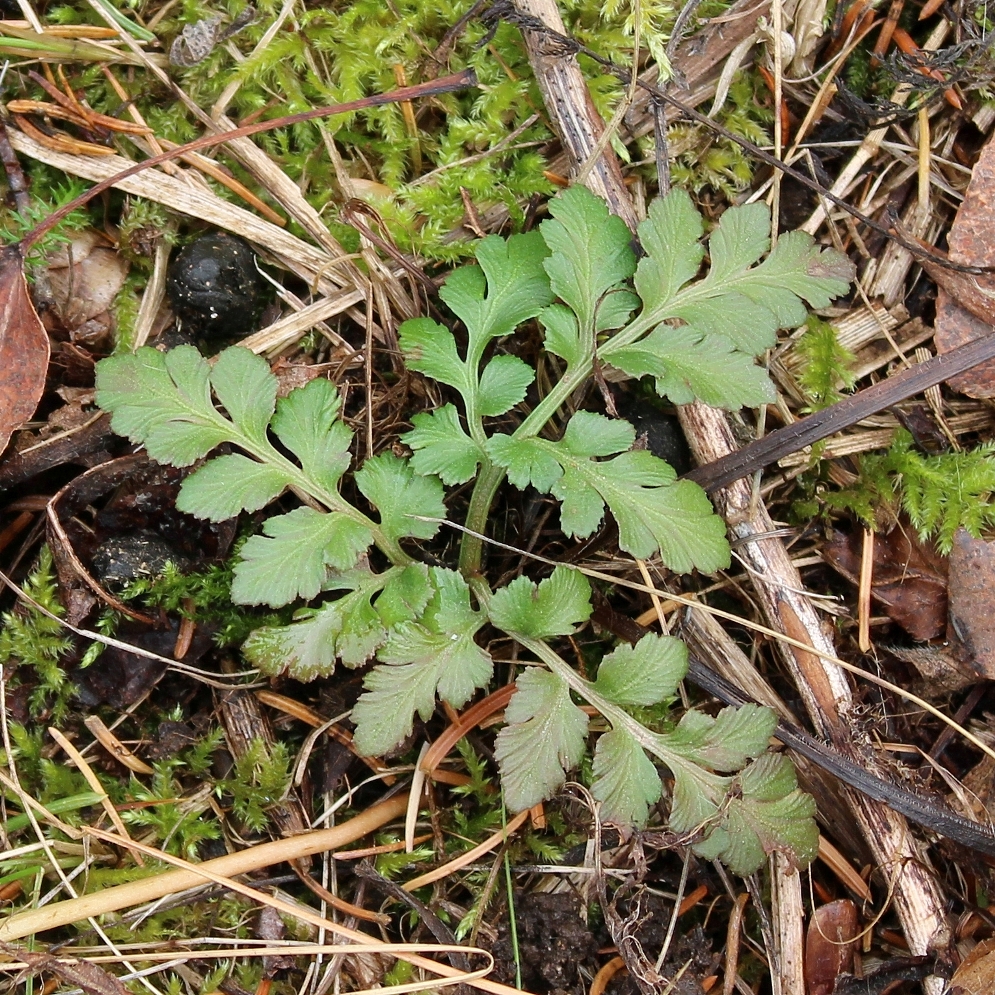
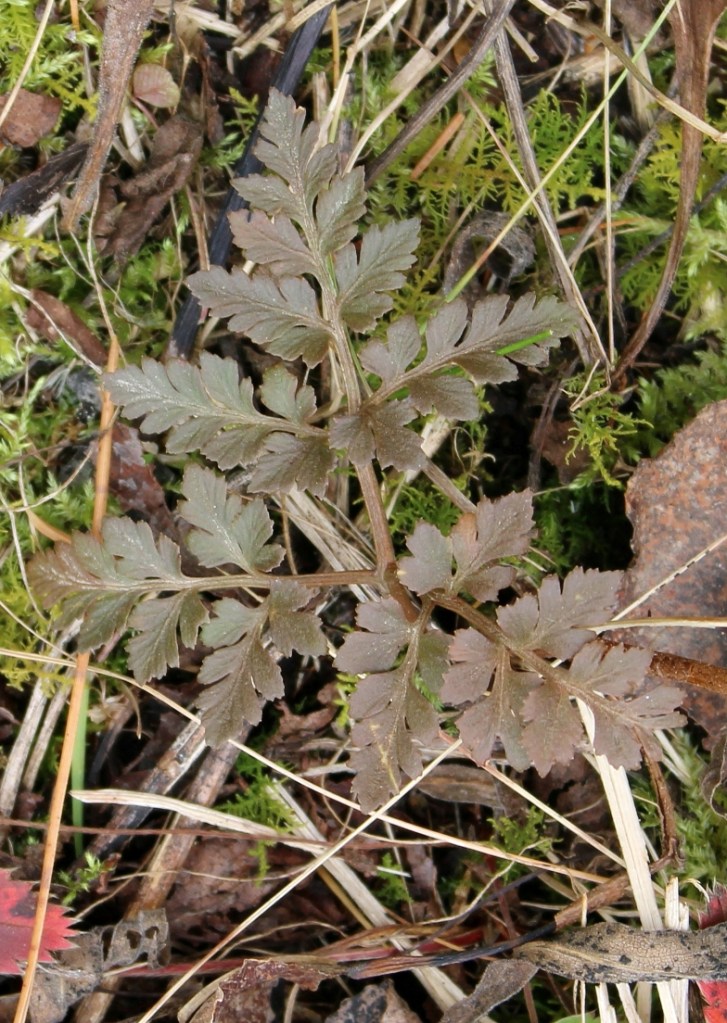
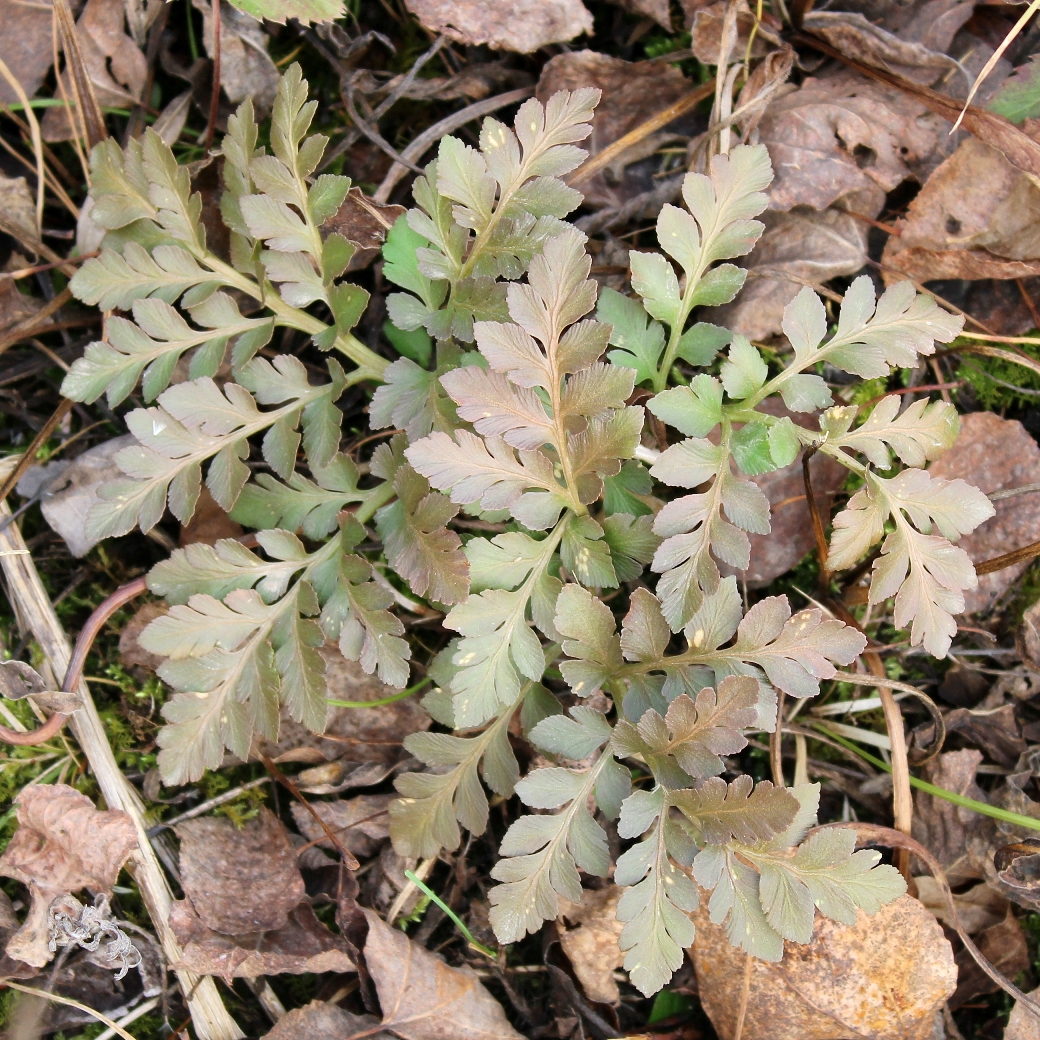
Sceptridium multifidum takes on a purplish tint in the cool autumn weather. Descriptions of the species state its fronds remain green overwinter, but obviously, they do not.

Sceptridium multifidum, the leathery grape fern, is similar to Sceptridium rugulosum (St. Lawrence grape fern), which was covered in an earlier post. At one time, Sceptridium rugulosum was considered a variation of Sceptridium multifidum and was named Botrychium multifidum forma dentatum.
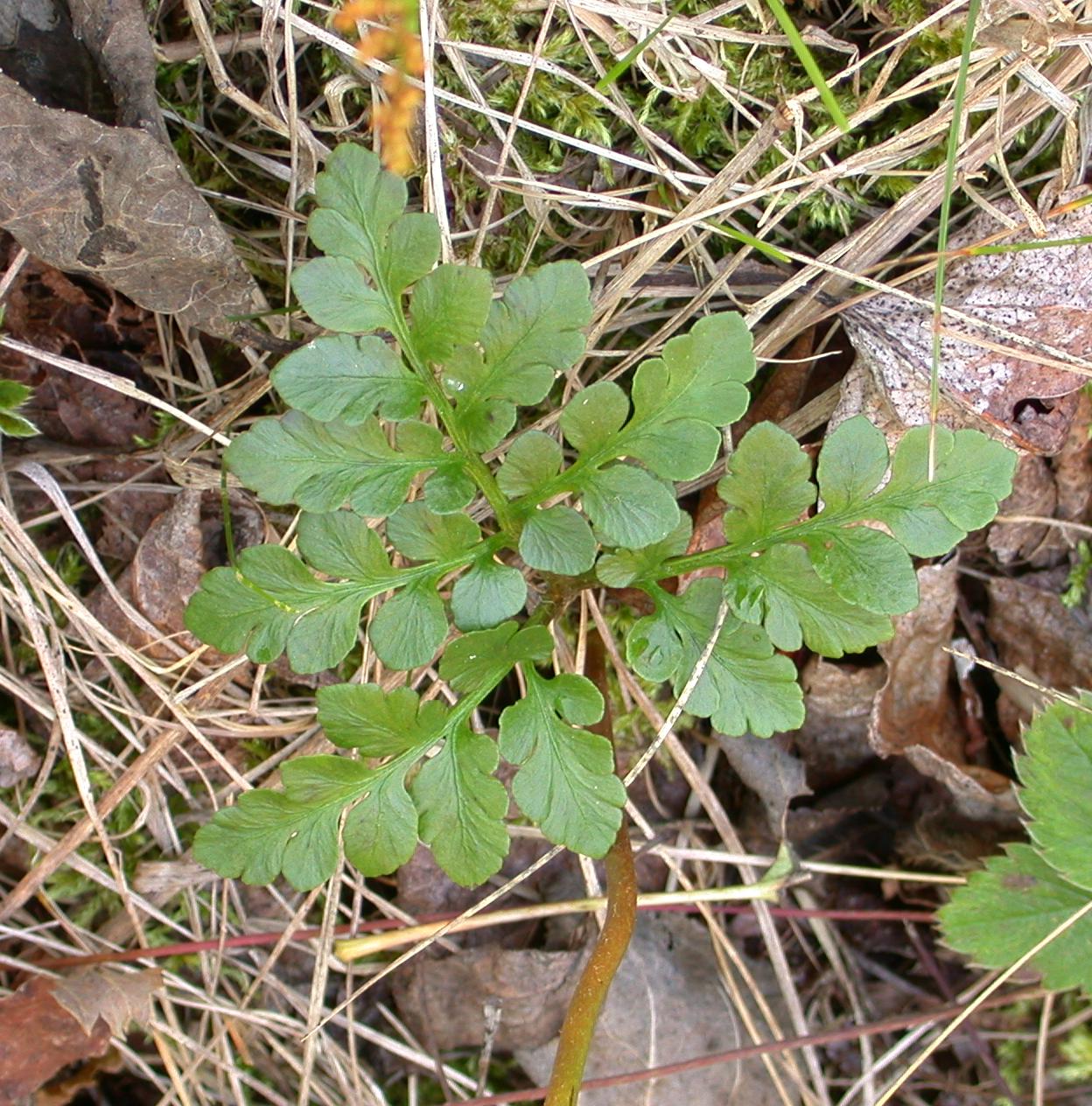
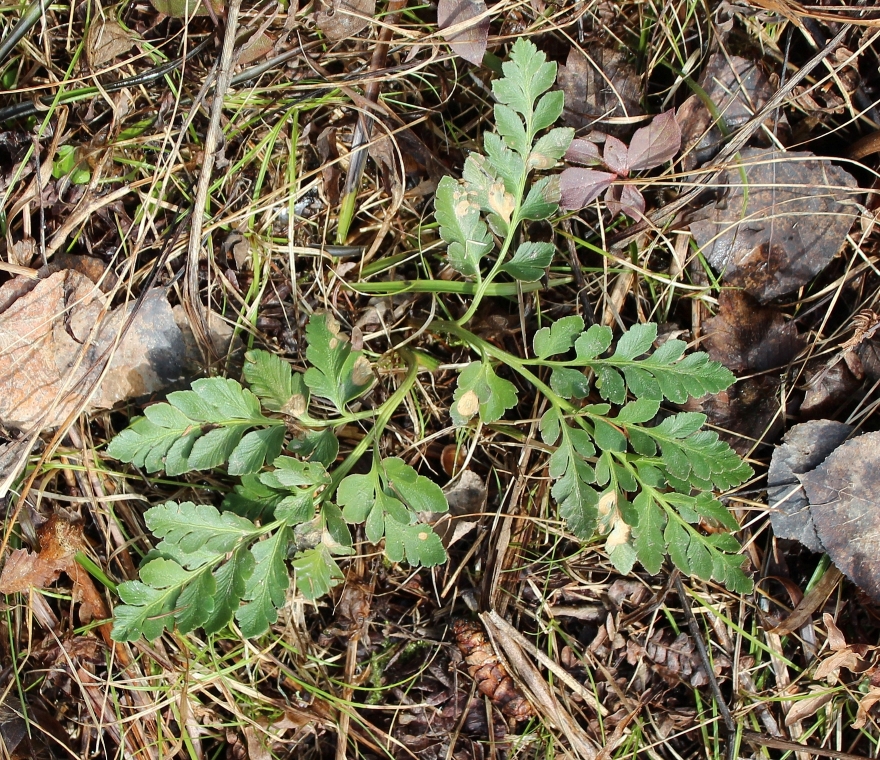
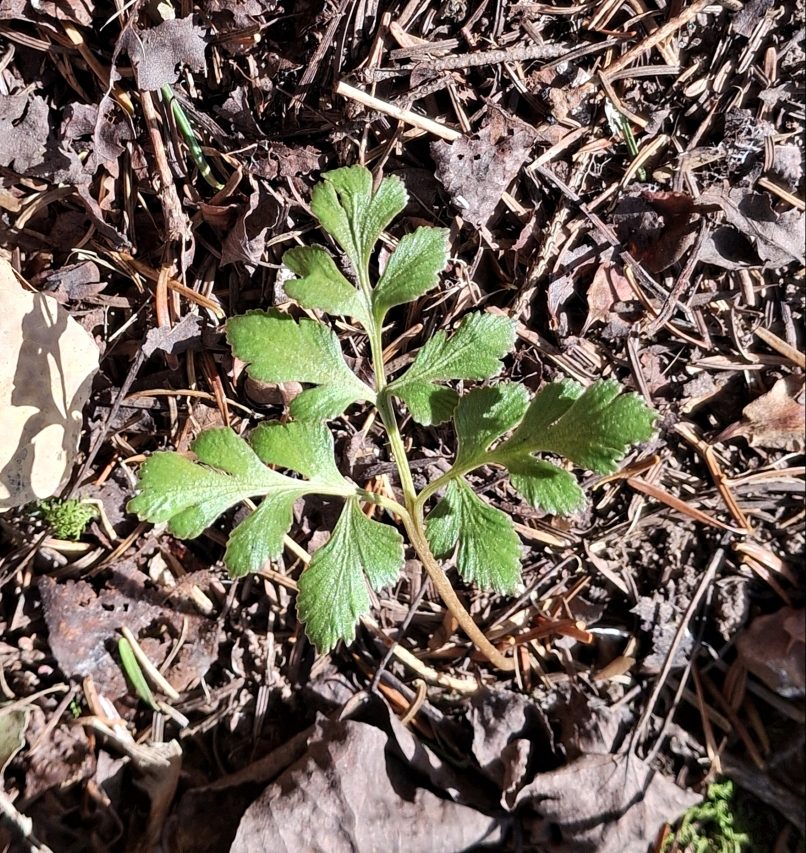
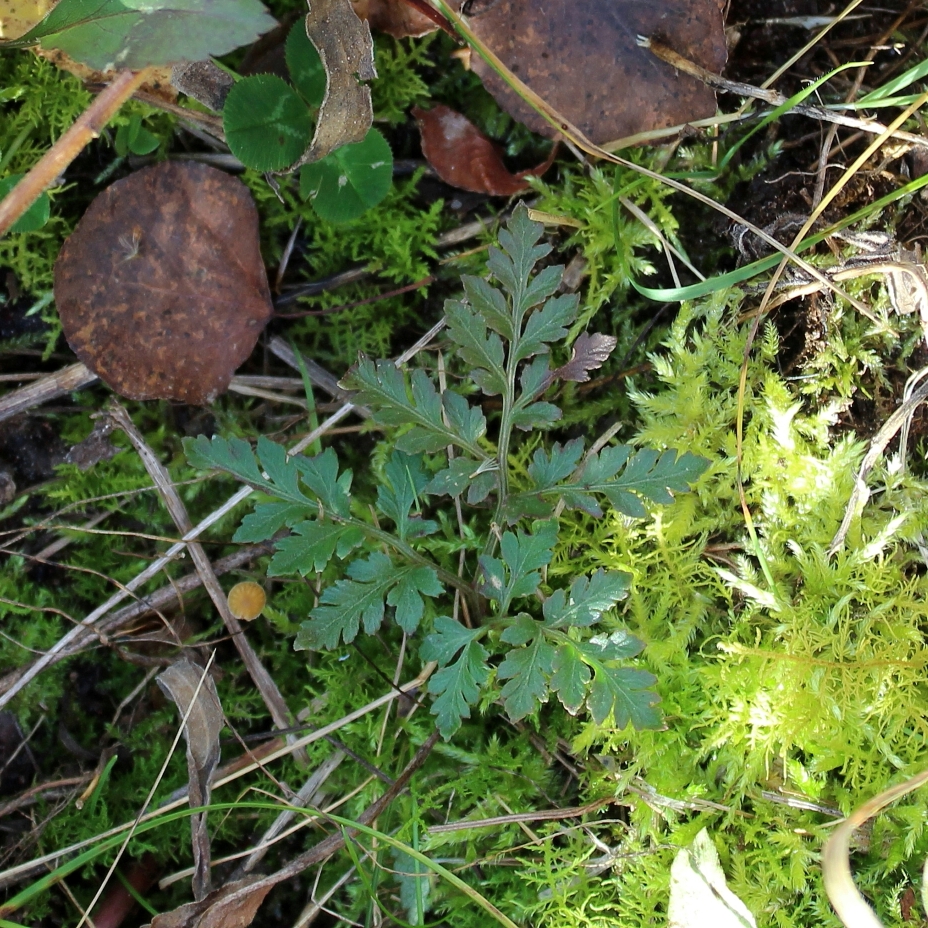
Frond of a young Sceptridium mulitifidum plant.

Description

Segment blades of Sceptridium multifidum are flat, rounded, with entire to shallowly denticulate margins and blunt tips. The texture is leathery. The fronds can be large, measuring  25 by 35 cm.
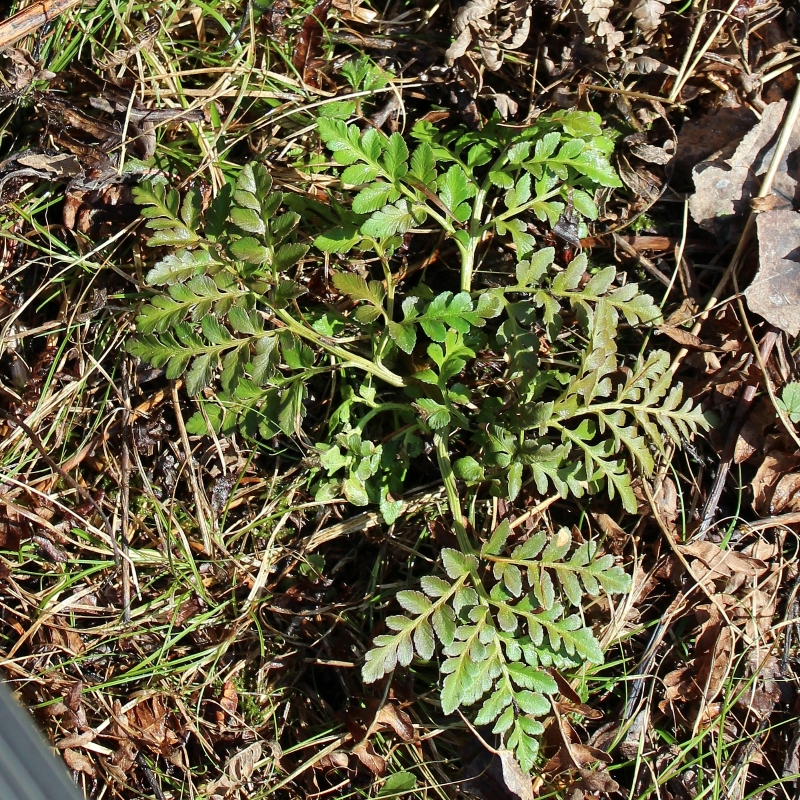
A large (almost 25 cm across) Sceptridium multifidum frond.
Sceptridium multifidum plant with two photosynthetic fronds, an unusual occurrence.

Habitat

Sceptridium multifidum grows in old fields, the edges of woodlands, and in open forests. Often, there will be dozens of plants growing at a single location. Sceptridium rugulosum and Sceptridium dissectum may also be present.

They live a long time

Like Sceptridium rugulosum, Sceptridium multifidum can live for many decades (Stevenson 1975). The ferns in the photos with the larger fronds were first seen by me around 1994. Even then, the fronds were large. I excavated two medium-sized plants in 1995 and counted the leaf scars on the stems. They had about 25 leaf scars each. If Sceptridium produces one frond per year, then those two plants were 25 years old. So, it is possible that the other larger ferns were also 25 years old or older, making these in the photos at least 55 years old.

Range
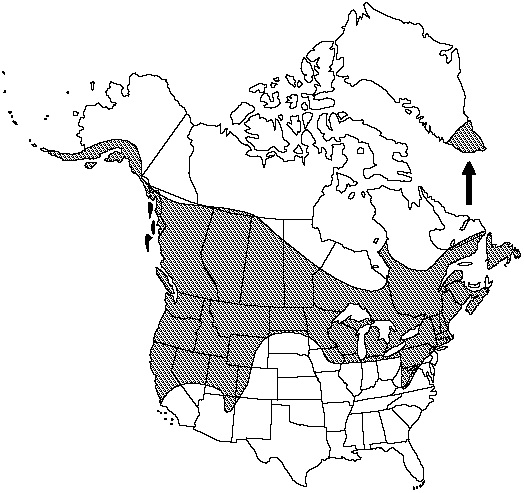
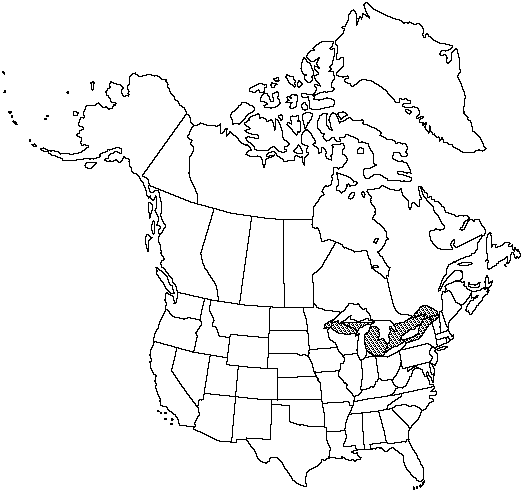
Sceptridium multifidum range map

Sources

St. Lawrence Grape Fern

Sceptridium rugulosum (St. Lawrence Grape Fern) in November and turning slightly purple in the colder weather. Unless protected from the cold by leaf litter, the fronds turn a bronzy purple. In the spring, they turn green again.

Grape ferns (Sceptridium) and their relatives, the moonworts (Botrychium), are an odd bunch. They grow from stubby subterranean stems with a few thick roots. The stems produce one leaf, rarely two, a year. That leaf is succulent, divided into two parts, one of which is photosynthetic (trophophore), the other reproductive (sporophore). They have a series of buds, one above the other on the subterranean stem, for the next five or so years of leaves.

The photosynthetic part of the Sceptridium leaf is semi-evergreen, meaning it will survive the winter more or less intact. Then, in the spring, it withers away. For a few months, there is no leaf, and then in early summer, a new leaf slowly uncoils, a process that may take more than two weeks.

Grape ferns get their name from the clusters of globular sporangia on the sporophore that look like little bunches of grapes. Grape ferns and their relatives the moonworts were previously placed together in the genus Botrychium. The genus name Botrychium is from the Greek “botrychos” for “bunch of grapes” and Latin “ium” for “small”. The genus name Sceptridium is from the Greek “skēptron,” meaning “scepter” in reference to the upright sporophore.

Sceptridium rugulosum

Sceptridium rugulosum is a grape fern, one of four species known from Minnesota, and it is one of the two rare ones, the other being Sceptridium oneidense.

Description

Sceptridium rugulosum has a green, 2 to 4 pinnate, 15 by 26 cm trophophore blade with up to nine pinnae pairs. The surface is rugulose (finely wrinkled) and concave. The angular pinnules (secondary segments) have denticulate margins and pointed tips.

Sceptridium rugulosum can live for many years. The one in the photo below was first seen eighteen years ago.

This Sceptridium rugulosum is more than eighteen years old.

Habitat

Look for Sceptridium rugulosum in brushy fields, open forests, and meadows.

Range

Sceptridium rugulosum range map

Sceptridium rugulosum is endemic to the Great Lakes and St. Lawrence Seaway regions. The range map above from the FNA is a bit outdated, and Sceptridium rugulosum is now known to occur more widely in Minnesota. There is also a report from Connecticut.

Taxonomy changes

At one time, Sceptridium rugulosum was considered to be a variety or form of Sceptridium (Botrychium) multifidum under the name Botrychium multifidum forma dentatum. It was also included under the name Botyrchium ternatum, which is as an eastern Asian species distinct from Sceptridium rugulosum. Also, the name Botrychium ternatum is listed as auct. non (“of authors, not”), meaning the name was applied by multiple authors to different species.

Sources

Another insect added to the checklist: a gall-forming fly

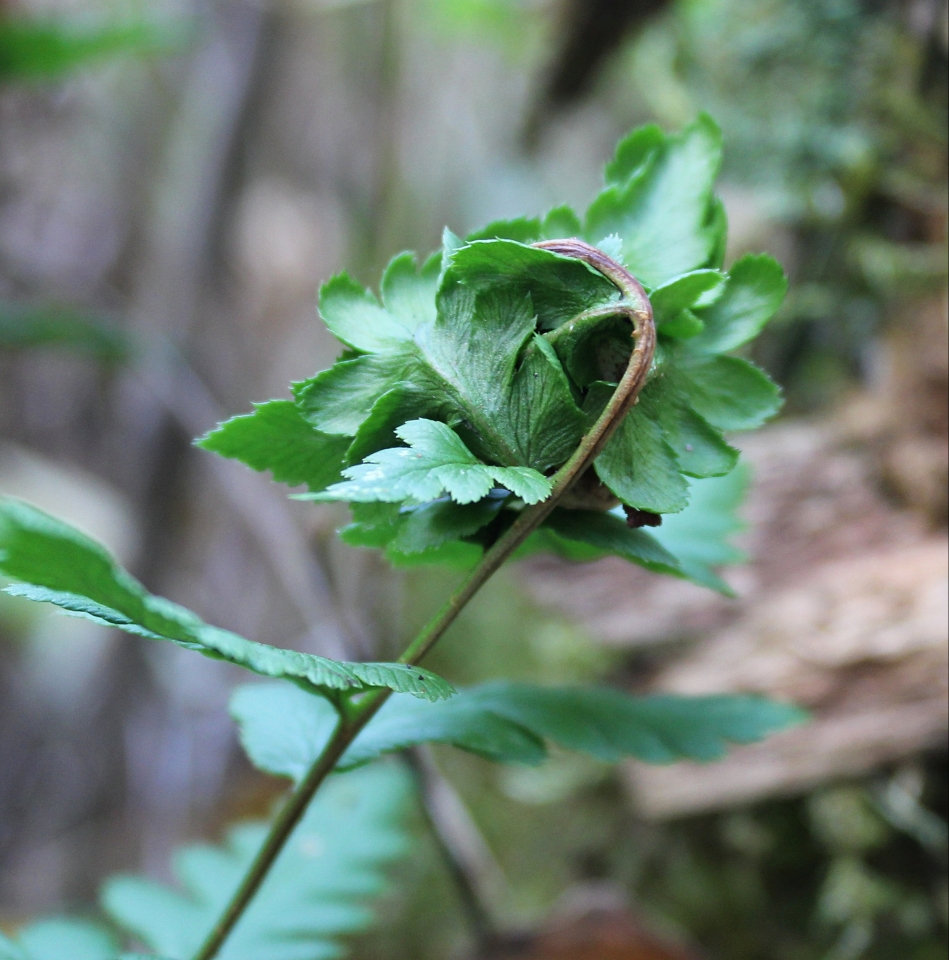
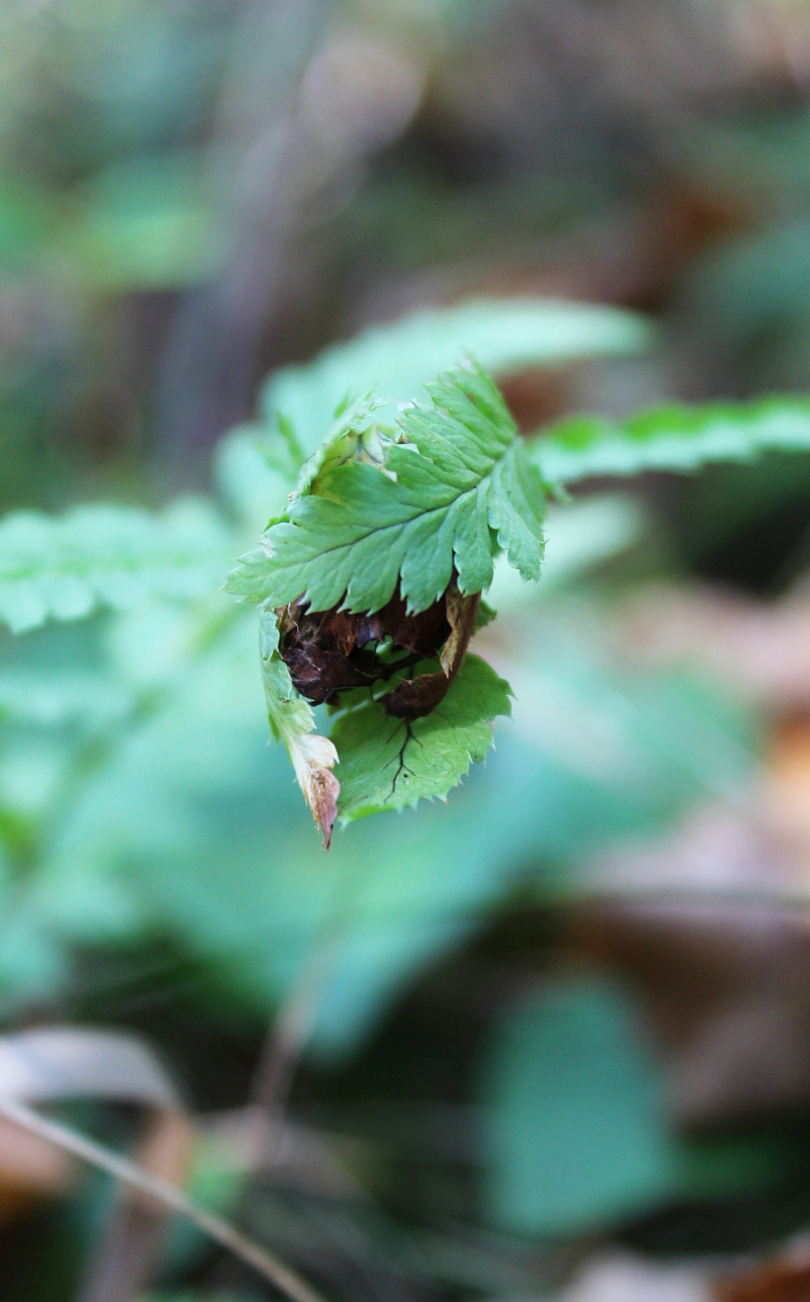
Chirosia betuleti gall

It might be getting colder outdoors, but there are still insects to be found. While out walking a few days ago, I came across this odd growth on a Dryopteris cristata (crested wood fern) frond.

This tightly coiled knot on the frond is caused by a galling insect that specializes in ferns. The species responsible for the gall is a fly (Diptera, Anthomyiidae) named Chirosia betuleti.

The fly’s larvae form galls on several fern species: Athyrium filixfemina (lady’s fern), Dryopteris carthusiana (spinulose wood fern), Dryopteris cristata (crested wood fern), Dryopteris filixmas (male fern), Matteuccia struthiopteris (ostrich fern), and Pteridium aquilinum (bracken fern).

Another fern with a gall

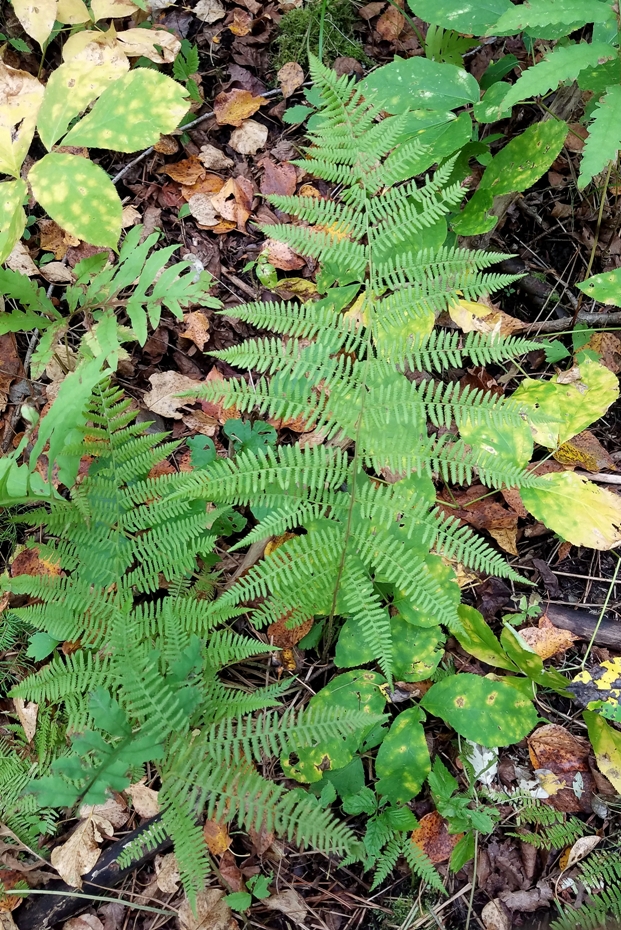
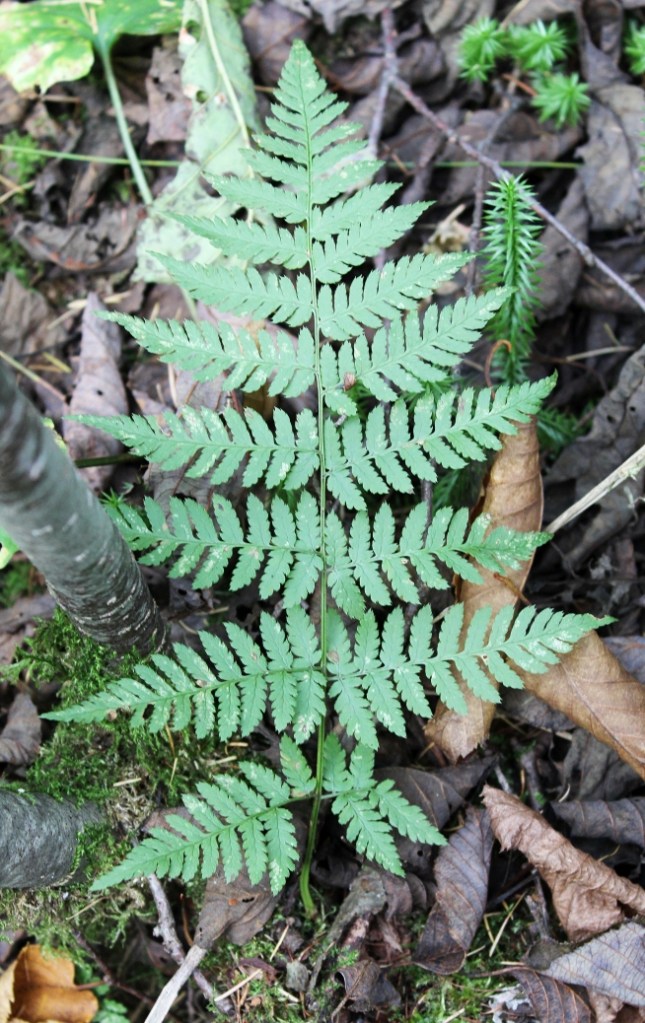
A search for other galls the next day located one empty gall on the frond of a Dryopteris carthusiana plant in a tamarack swamp. I looked for Athyrium filixfemina and Matteuccia struthiopteris, but their fronds had already withered away now that it is fall. I’m sure I’ve seen these odd growths on them before. None of the Pteridium aquilinum plants had galls, and I don’t recall ever seeing them on the fronds before. There’s always next year.

Dryopteris carthusiana with gall

Gall formation

The larvae of Chirosia betuleti feed on the trichomes (hair-like growths) along the midrib of the newly emerging frond, and then mine along the midrib, causing it to coil into a mophead shape. The related Chirosia grossicauda forms galls on bracken fern. Another insect to watch for next year.

The Anthomyiidae

Chirosia betuleti is a fly in the family Anthomyiidae (root maggot flies). Most species in this family feed on plants as larvae, feeding on roots, seeds, or mining leaves.

Some feed on dung, decaying plant matter, or mushrooms. Other species are endoparasitoids of grasshoppers, and some are kleptoparasites of Hymenoptera.

Adults feed on nectar and pollen and may be pollinators. Most species resemble small houseflies.

Range

Chirosia betuleti is reported on iNaturalist from the western coast of North America from Alaska to California, and inland to Saskatchewan, Canada, and Idaho, and Montana, around the Great Lakes and New England, then east to the Maritime Provinces of Canada. The range then follows the Appalachian Mountains south to the Great Smoky Mountains. There are two isolated occurrences in South Carolina and Florida.

Parasites of Chirosia betuleti

Larvae of Chirosia betuleti are parasitized by wasps in the genus Aphaereta (Braconidae) and the wasp genera Dimmockia and Elachertus (Eulophidae).