
How many moth species does Minnesota have?
When I first started moth hunting in 2017, I had no idea how many species of moths live in Minnesota. My first experience with Minnesota’s moth numbers was from a moth survey report. There had been a Minnesota DNR moth survey of state parks from 2006 to 2008 along the eastern edge of the state. Its purpose was to document moth species present before LDD moth (Lymantria dispar dispar) control efforts.
Their final list, representing just a small portion of the state, was 768 species, although they believed that statewide, there are about 2,200. I wondered how many of those moths might be where I live.
So many moths are tiny
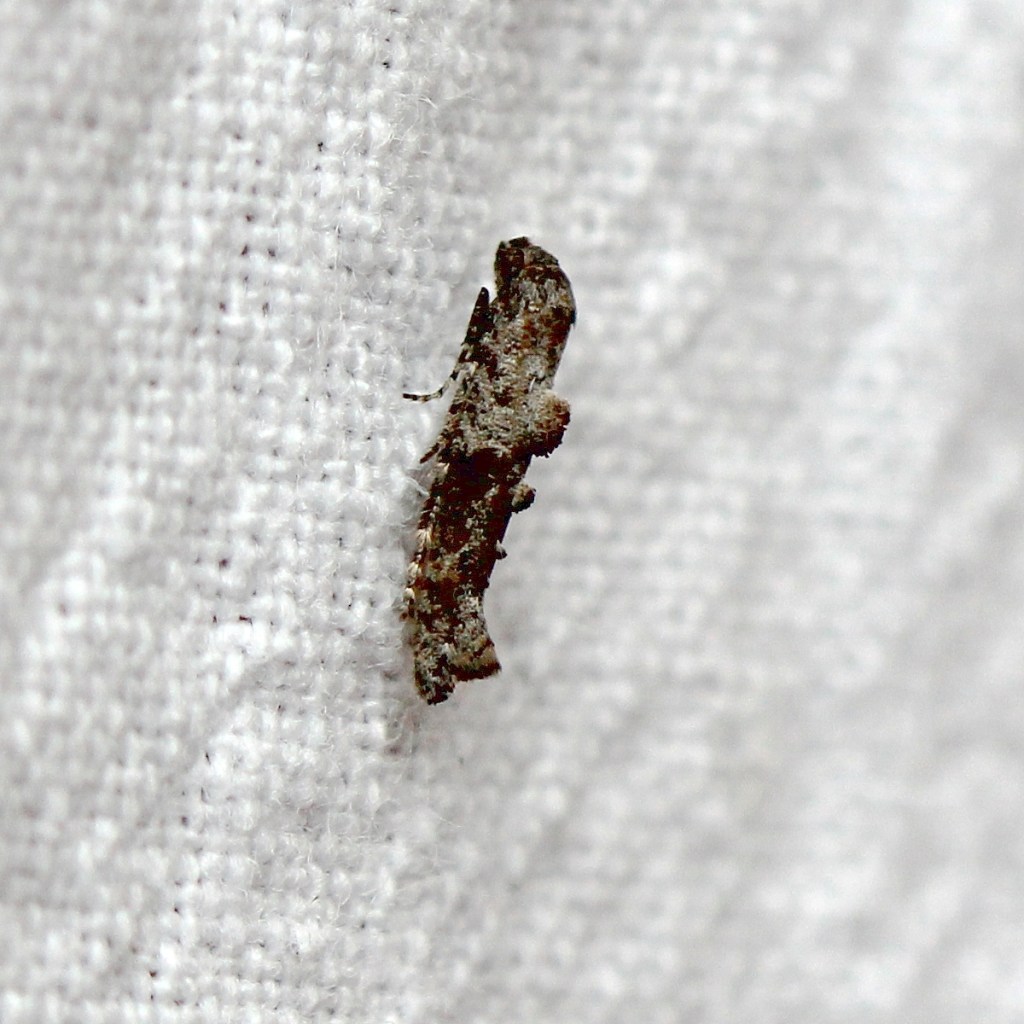
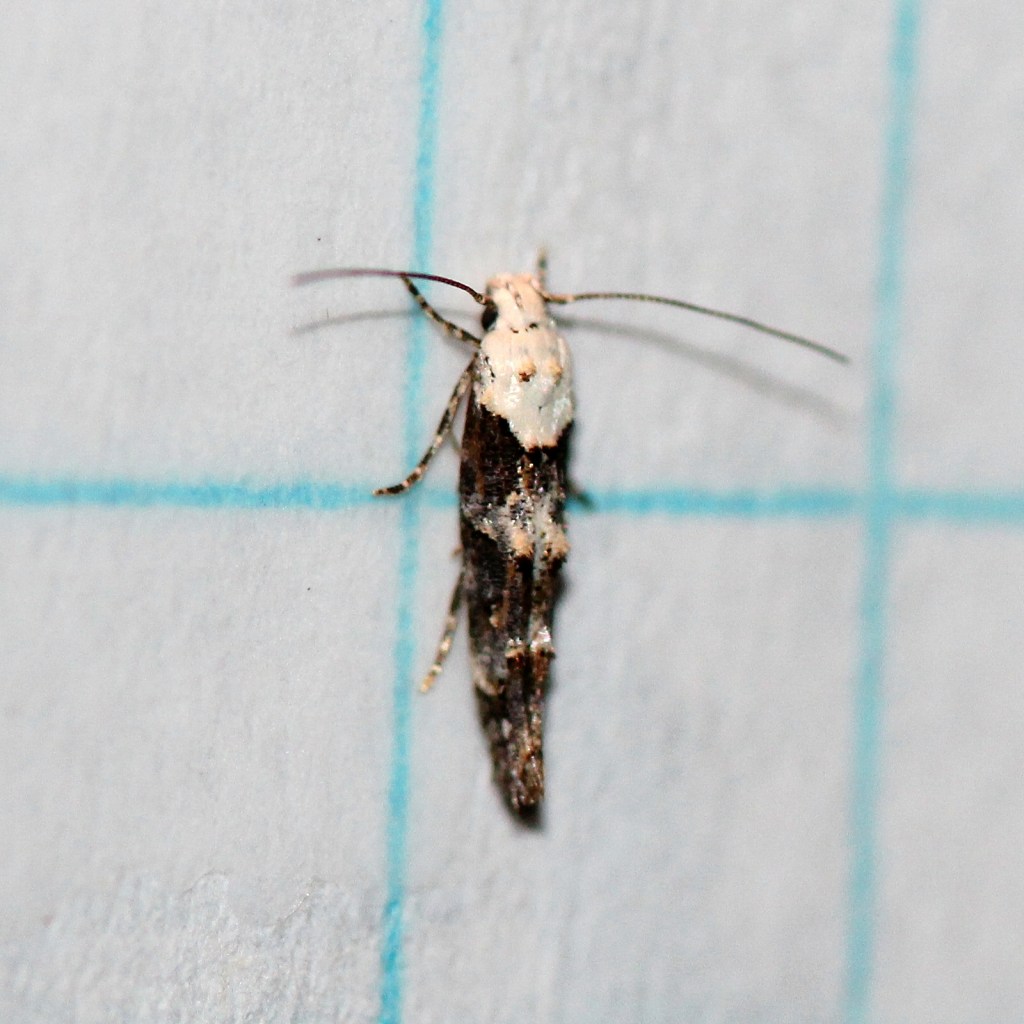
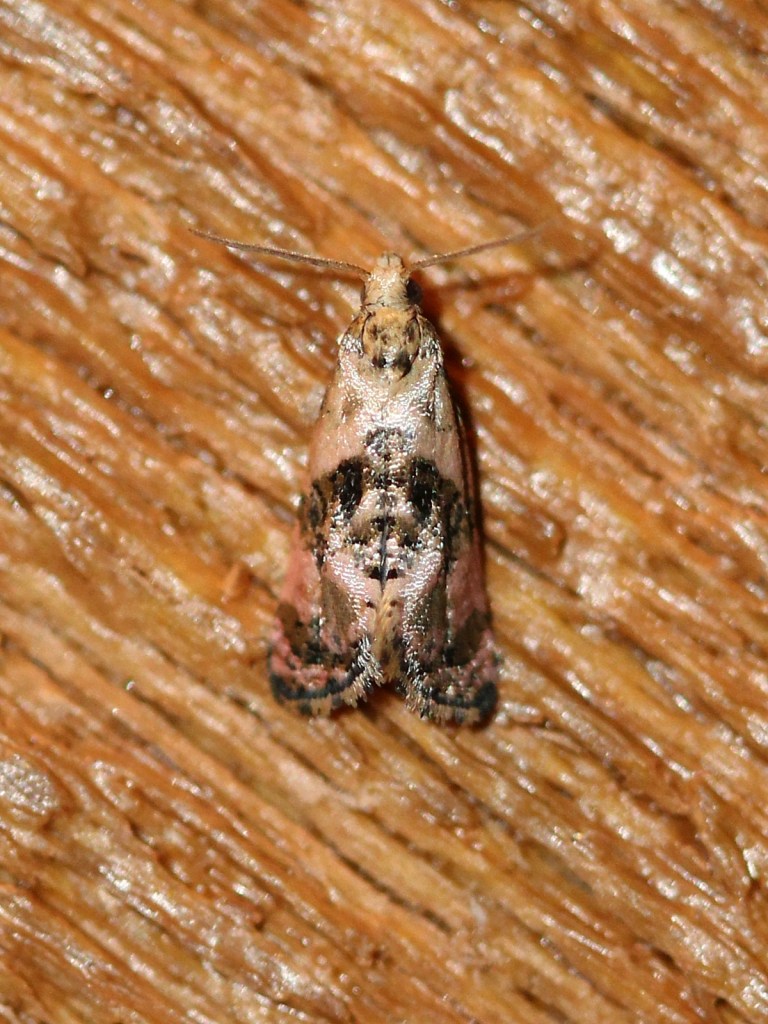
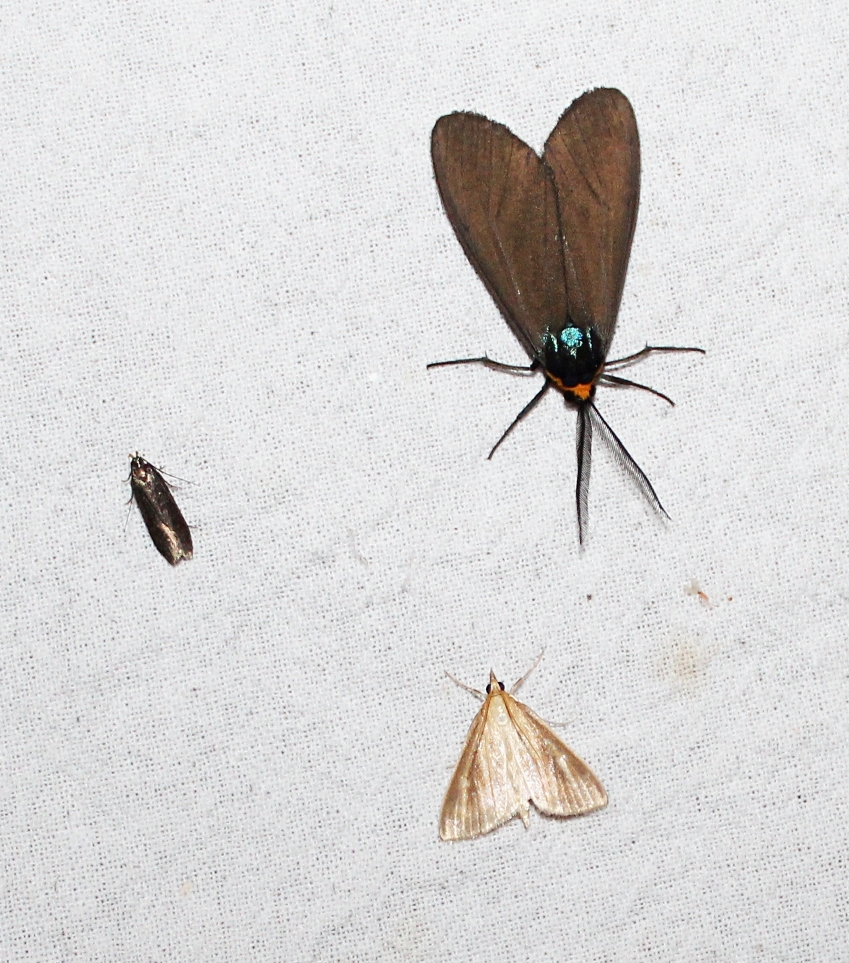
Early on in my mothing I noticed there were many tiny moth species. I found some moths the size of a thumbtack. Others are smaller than a grain of rice, like the three species below.
Identification is not so simple
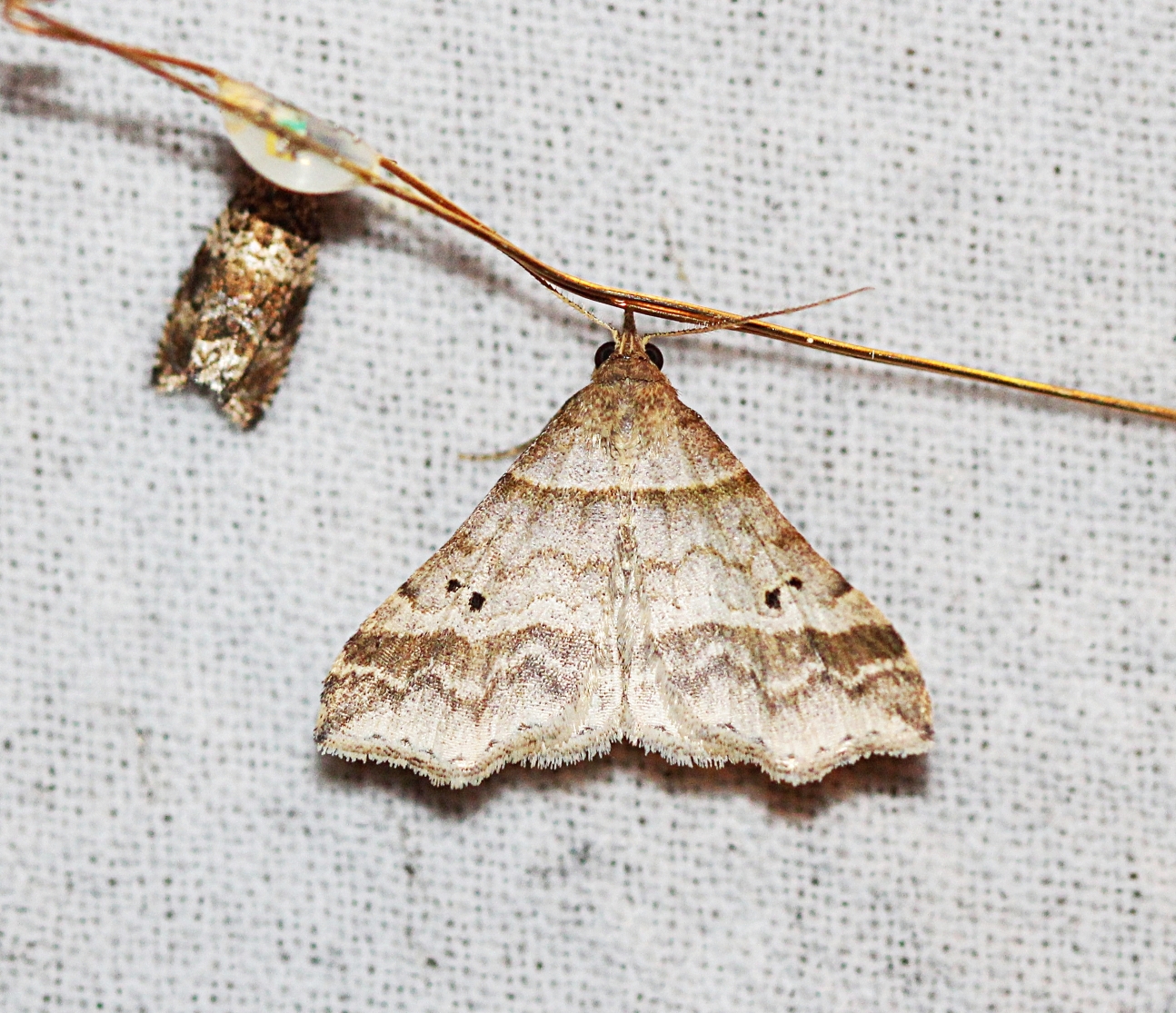
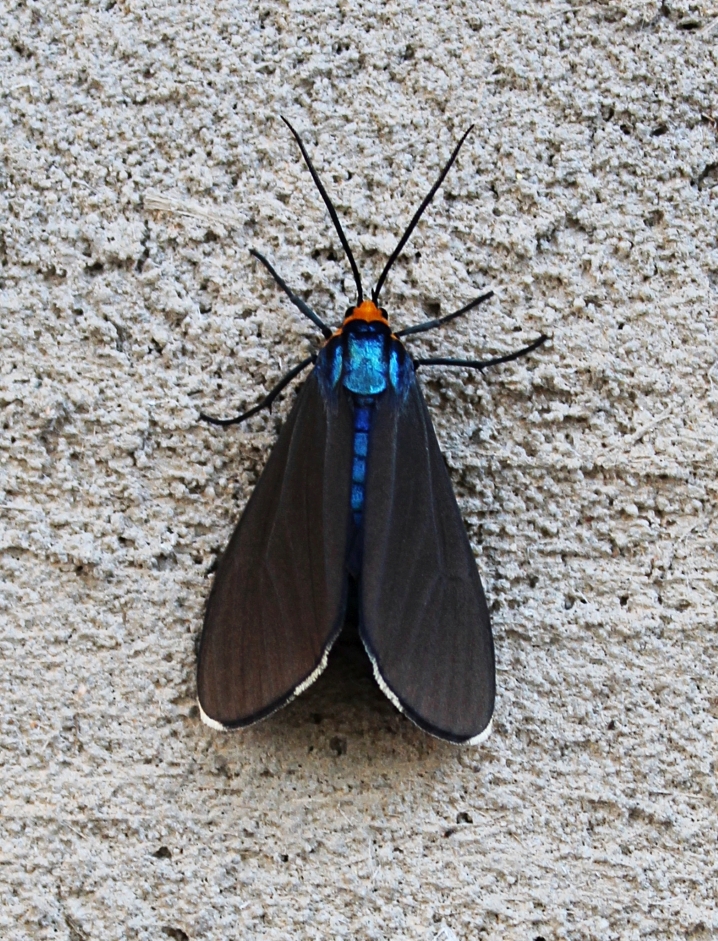
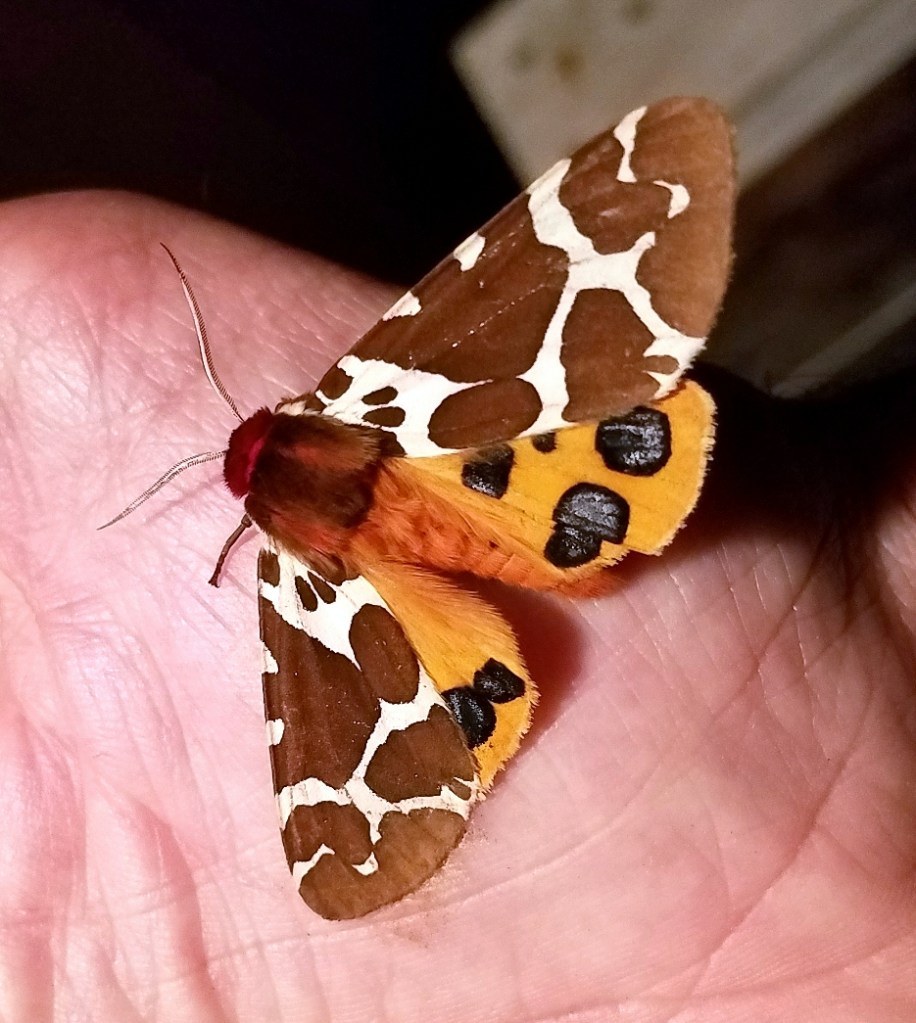
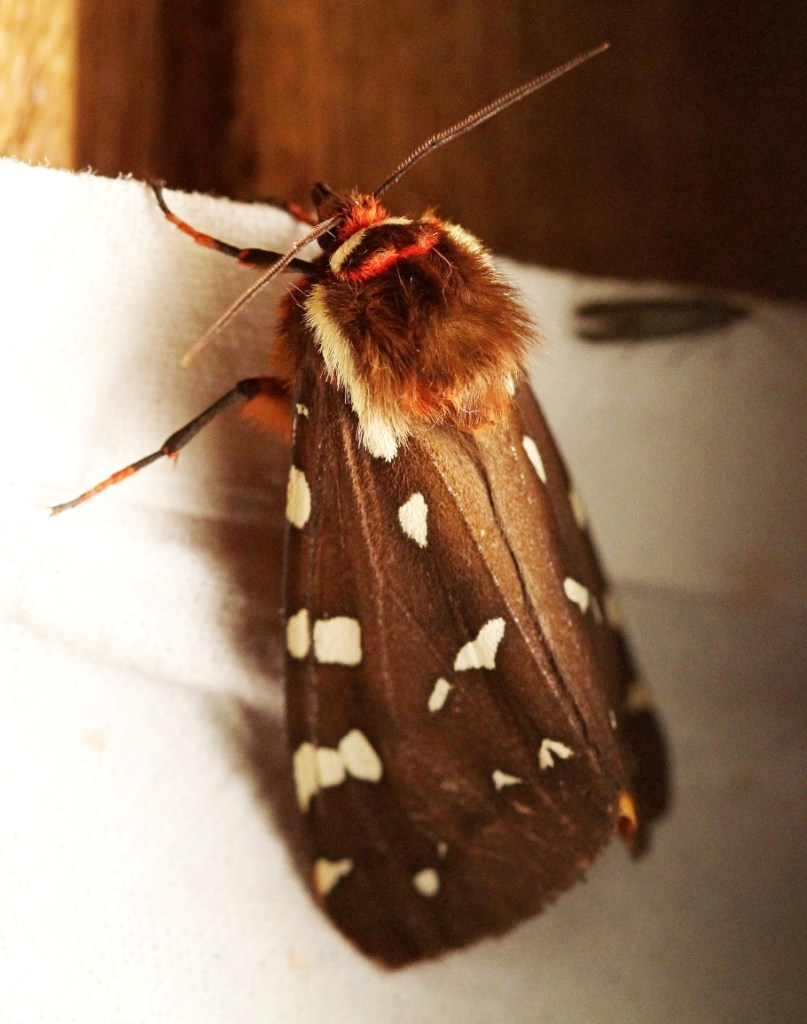
Most people are familiar with the larger charismatic moths, like the luna moth or one of the sphinx moths. But for many of the moths out there, they are just moths. This is understandable. Identifying anything to species is not always easy. With moths, this task is even more challenging given their variety of sizes, colors, and often subtle differences in wing patterns. To make matters worse, some species exist in different forms or look like other species.
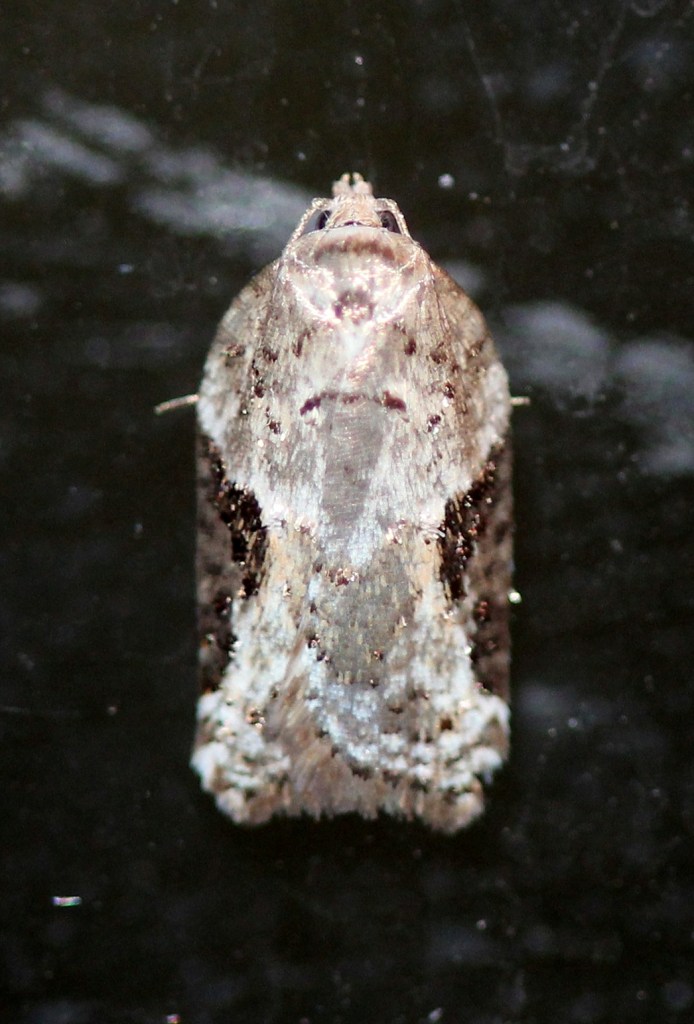
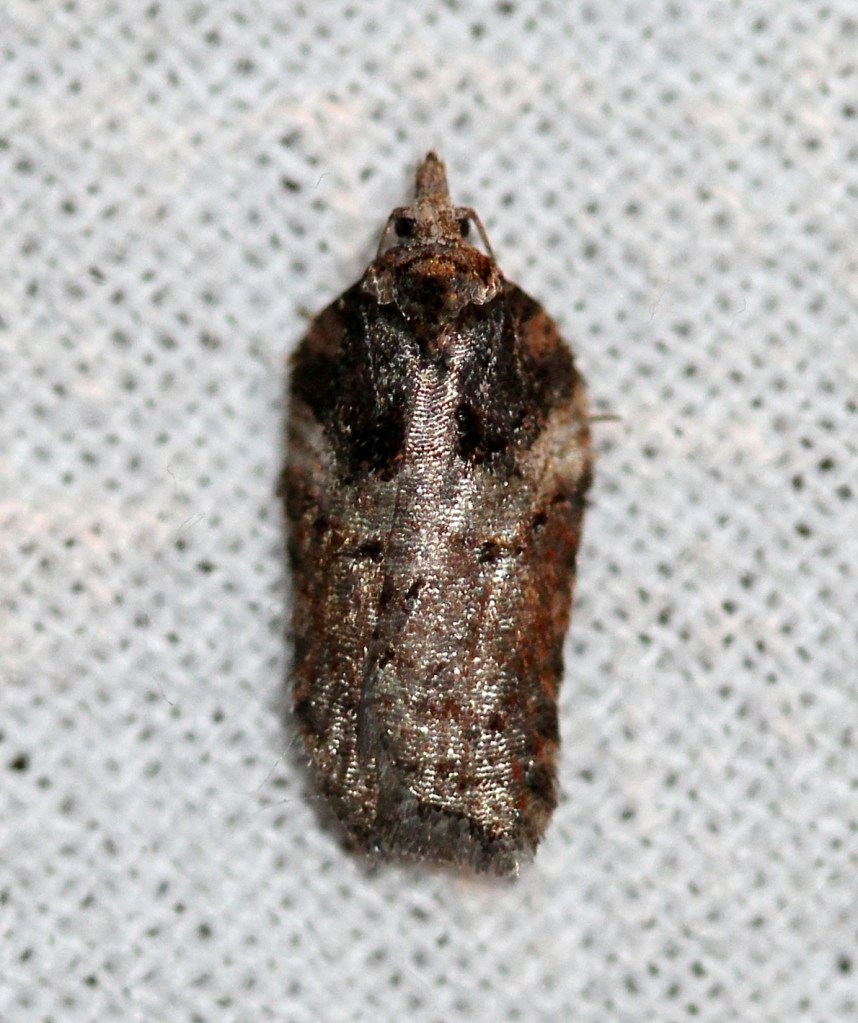
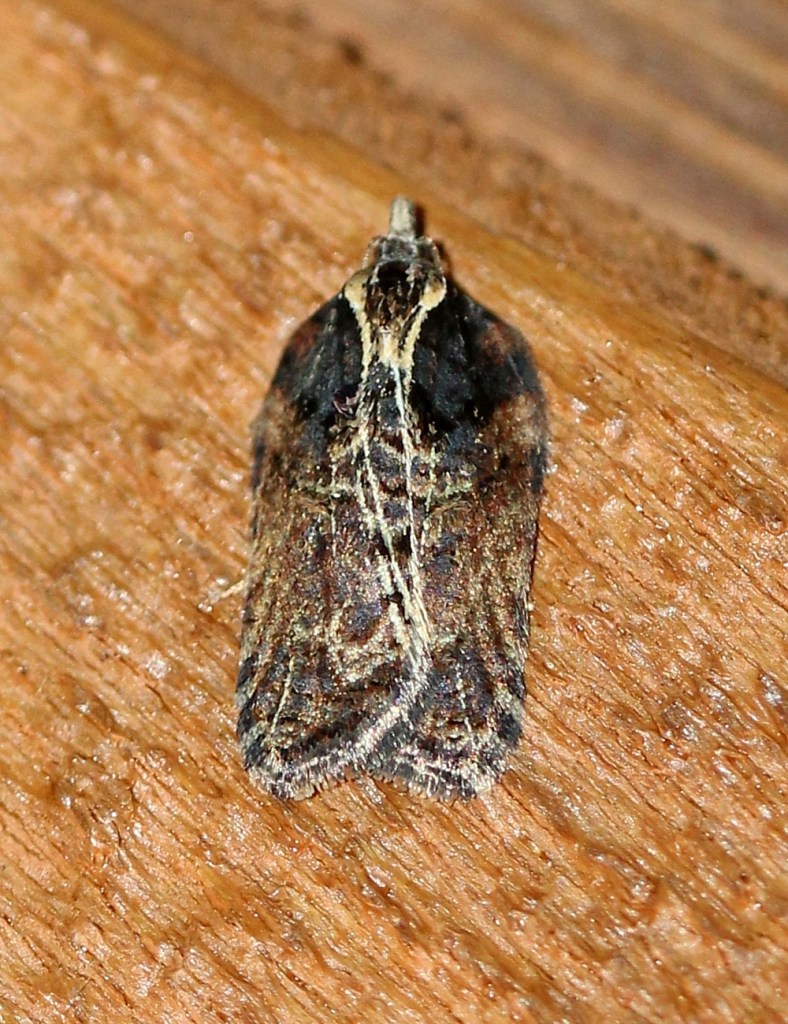
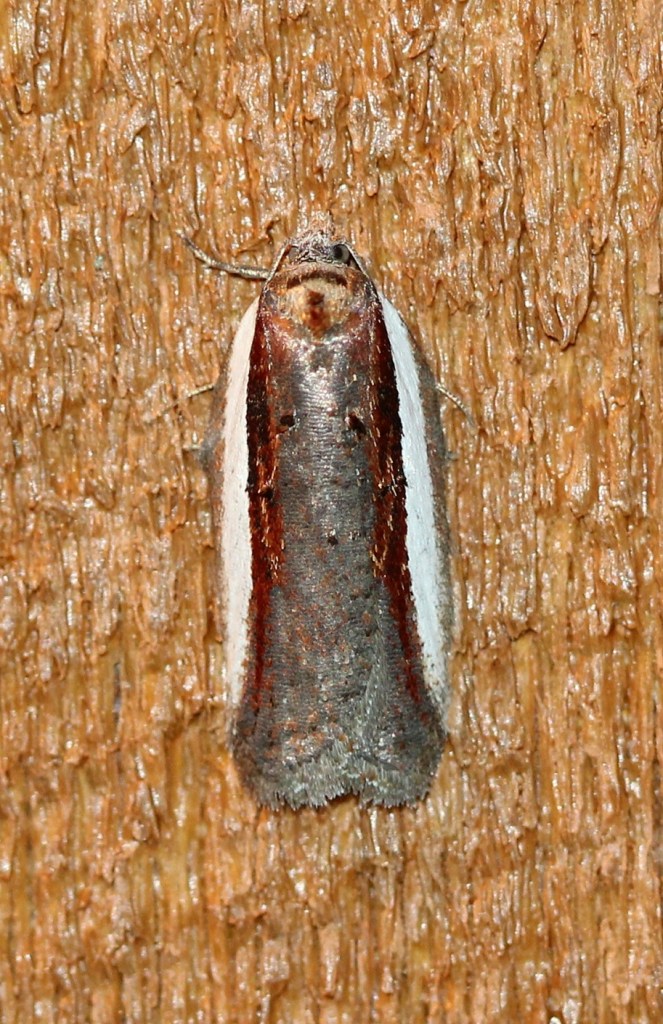
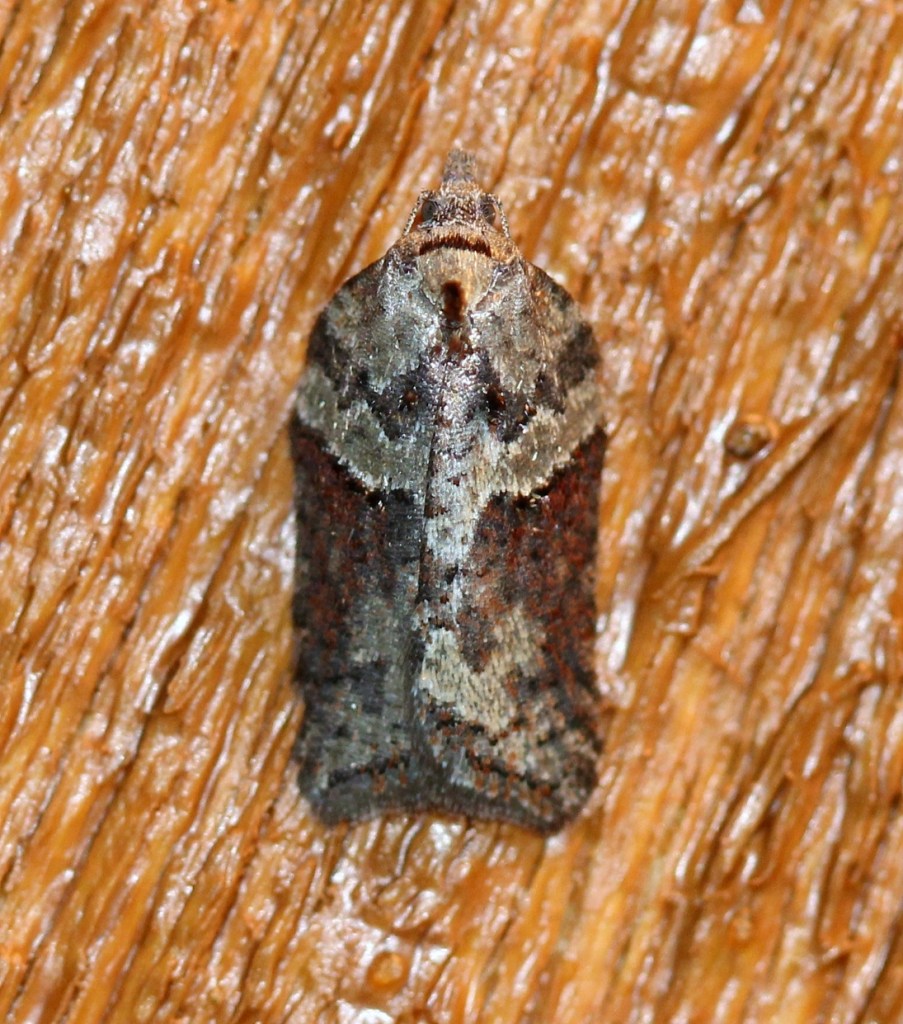
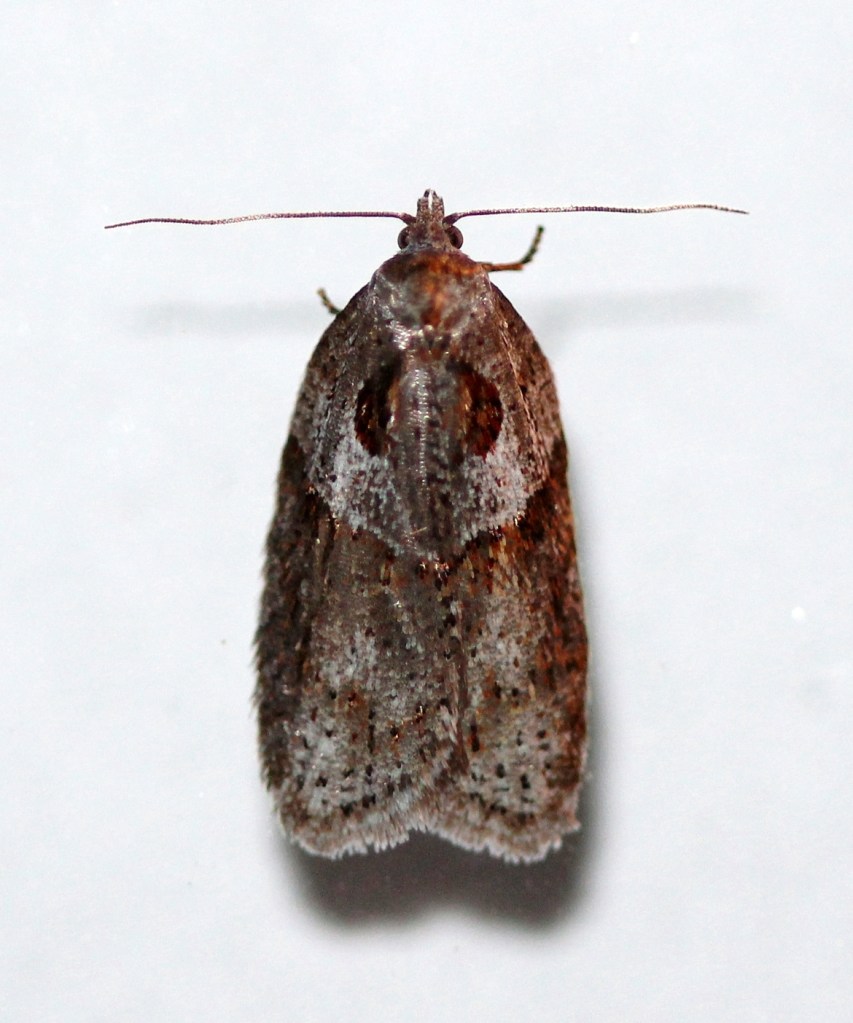
Acleris (Superfamily Tortricoidea, Family Tortricidae) is a good example of a genus with intraspecific variation. Some species even resemble others within the genus. I’ve included two photos of Acleris celiana showing two of the forms it exists in. There are also photos of other Acleris species, some of which resemble each other.
So, is that the final count?
By the end of 2019, I had identified 541 moth species. It seemed to me this was close to the upper limit of moth species present. After all, the DNR survey had documented 768 species in thirteen state parks. These parks range from the southeast corner of the state to the northeast corner. I am looking at only a tiny fraction of that territory. About 40 acres, to be exact.
My list surpasses the DNR’s list
Eventually, my species checklist surpassed the MN DNR survey’s list. After rechecking identifications, synonymy, and duplications, my list was at 865 species. That’s 97 species more than the DNR list. How to account for that?
Accounting for the differences
The differences in species counts are most likely due to our respective sampling methods and time available. The MN DNR survey’s list is almost entirely species from so-called macro-moth taxa. It is heavily weighted towards Geometridae and Noctuidae.
It is likely that the smaller moths, the so-called micro-moths, were not within the scope of the survey. It would have taken too much time to identify every moth. This would delay the report and critical action on Lymantria dispar dispar expansion into Minnesota.
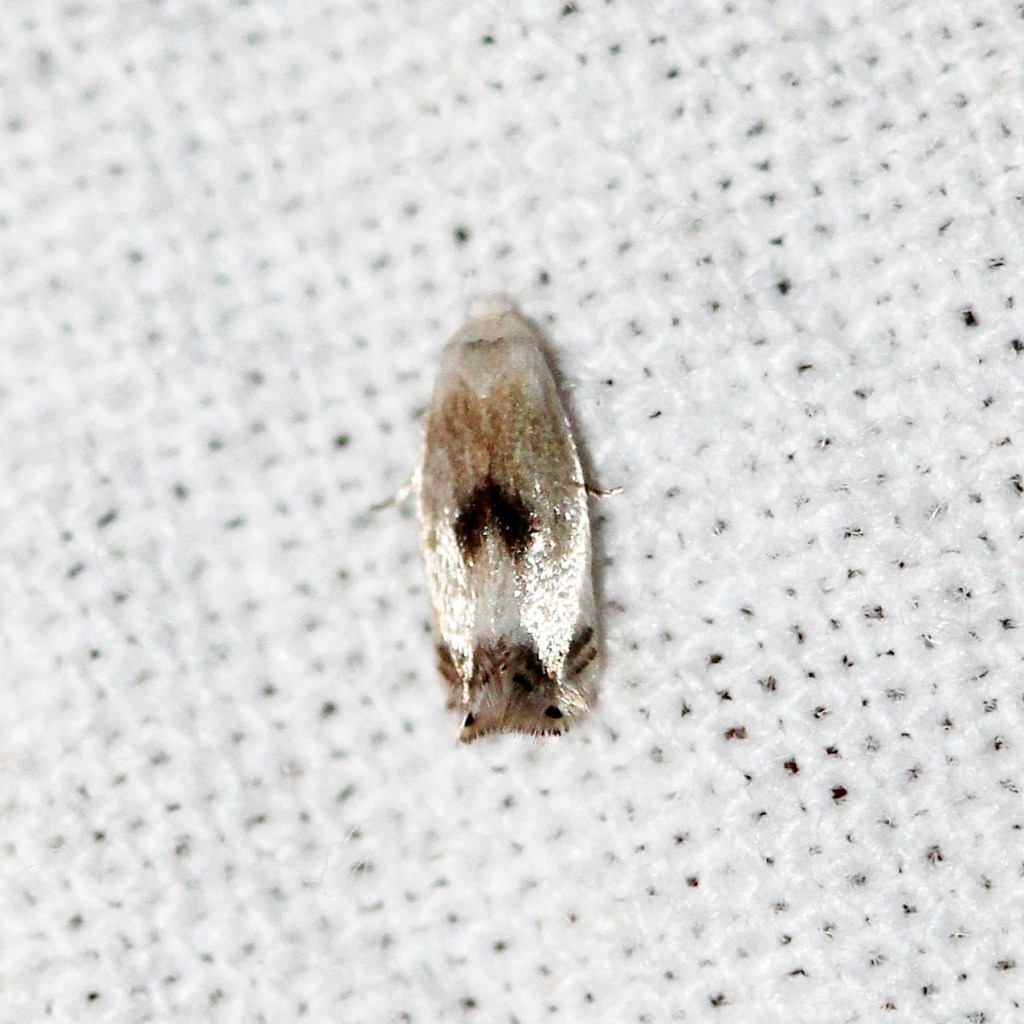
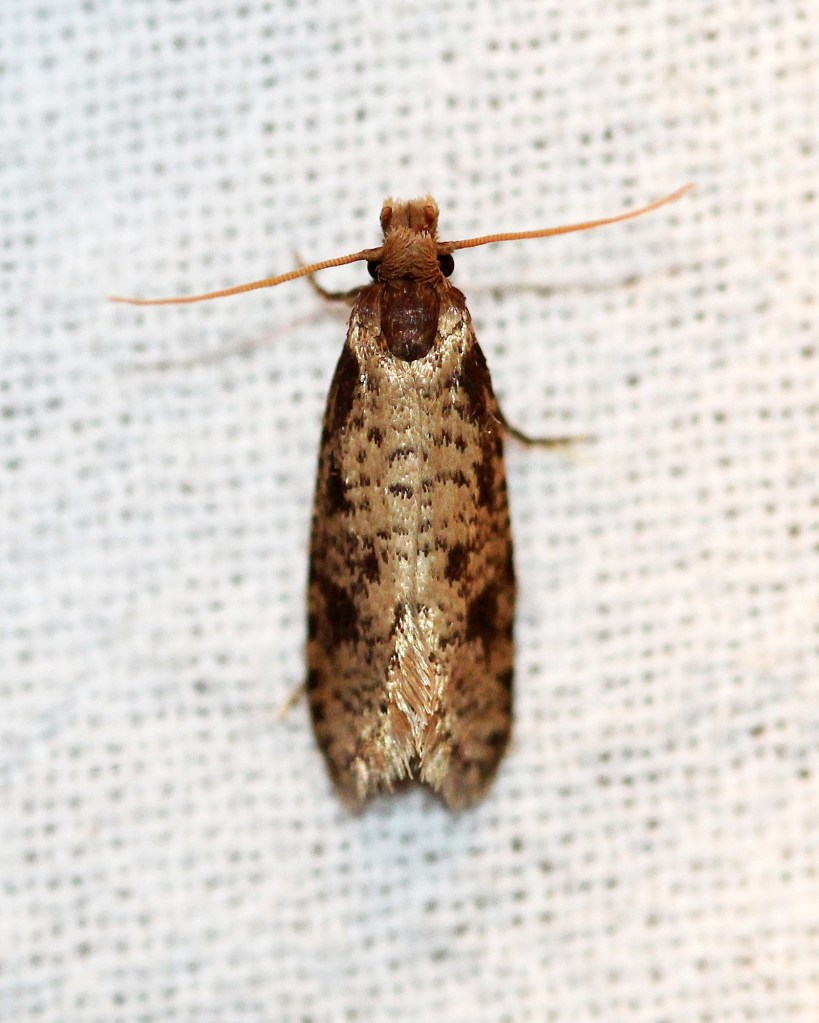
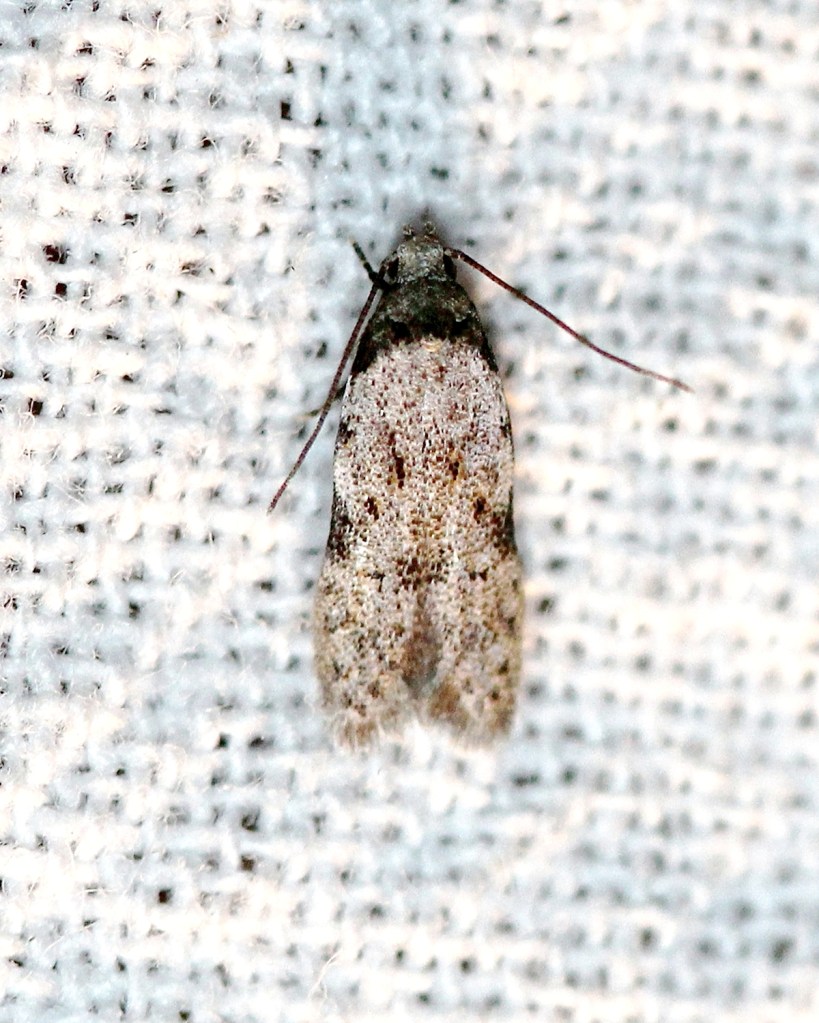
So, while our lists overlap for most of the macros, my list also includes micro-moths. These include those from the superfamilies Gelechioidea, Nepticuloidea, Tineoidea, Tortricidae, and other taxa with mostly minute moths.
When I am mothing, I try to photograph and later identify every moth that comes to my moth light. I am not under any time constraints to complete fieldwork or produce a final report. Some unidentified moths have sat in my photo files for years before I figure them out. They needed to present the bigger picture. I am just filling in the details and have plenty of time to do it.
My checklist will continue to grow
I’ve been working on documenting the moths on my land for eight years. I don’t think I am done yet. I also don’t think annual additions to my checklist have peaked.
The rate of new species additions has been about 33 per year since 2020. As of 2025, the species checklist stands at 865 moth species with 34 new additions. This includes macros and micros. If that rate continues, the checklist will reach 1,000 species in about four years.
Mothing into the fall and even the winter
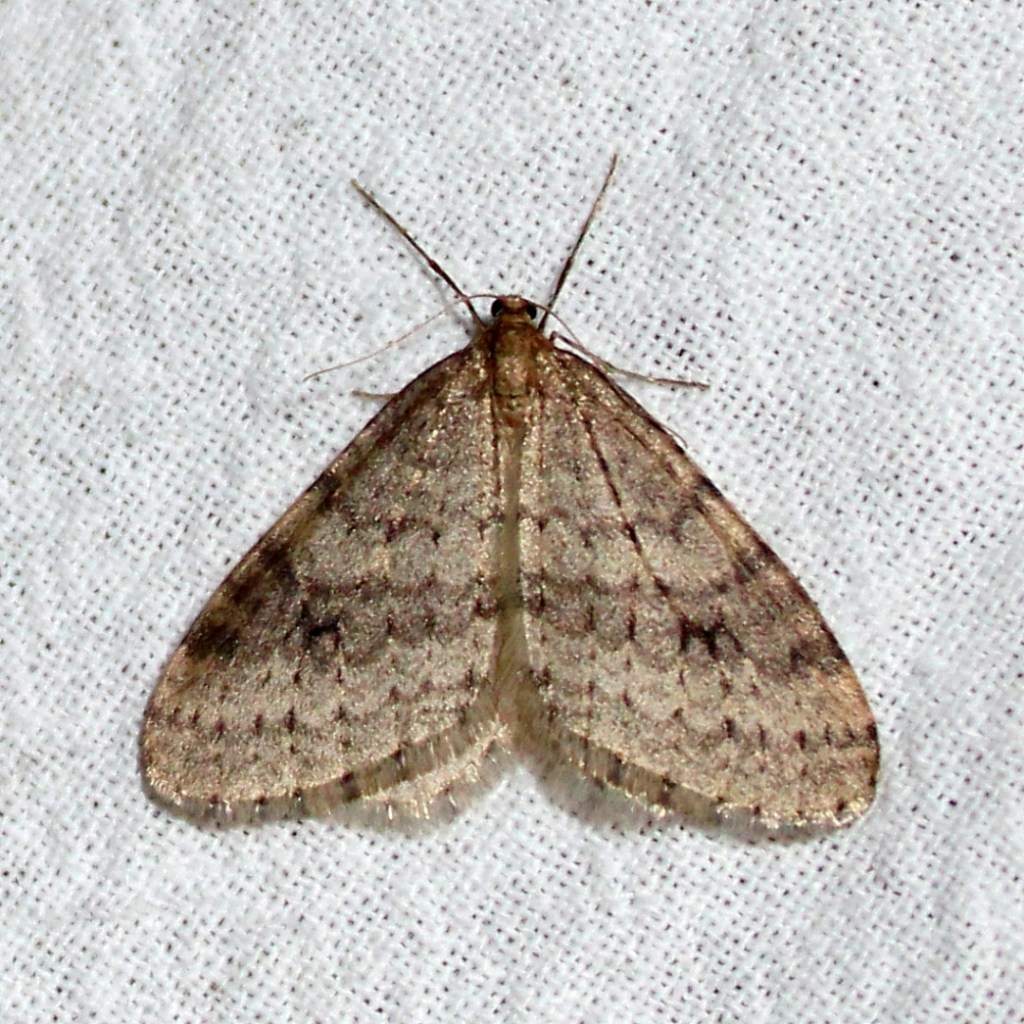
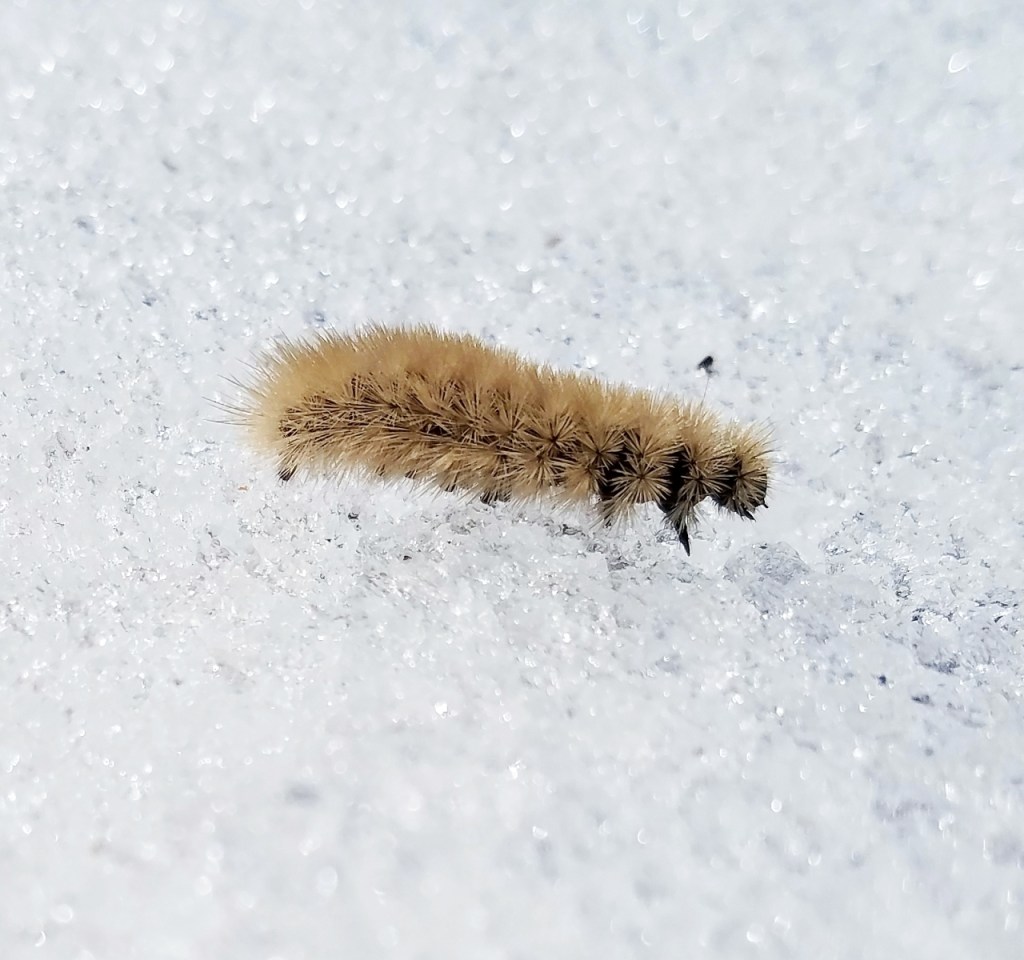
Autumn is upon us now. Soon, almost all insect life outdoors will be gone. In the meantime, I will continue to photograph right up until the snow falls and the lakes freeze. But even in winter, it is possible to find some insect life, including moths, outdoors.

 Not Very Far Away