I went up a hill

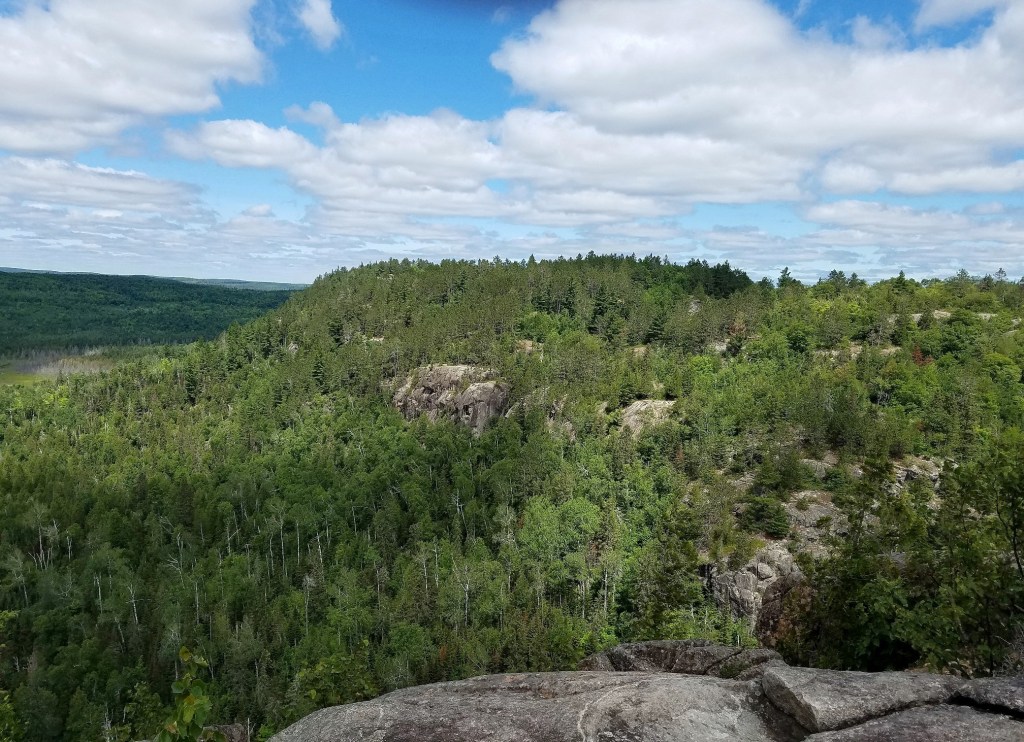
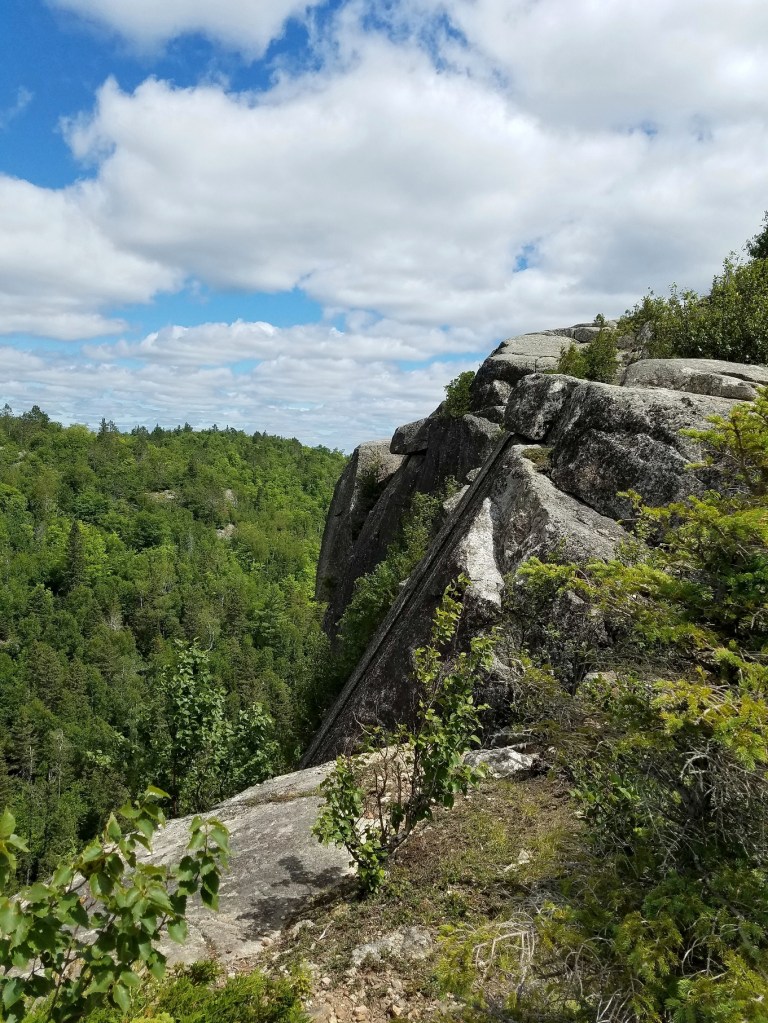
A view of a mountain from the mountain on a section of the Superior Hiking Trail located north of Little Marias, Minnesota. I’d really like to get to that other mountain sometime. It looks interesting.

Or maybe a mountain. Hard to say but there was at least one point where the elevation above the surrounding terrain was just a little bit above 1,000 feet or 1,613 feet above sea level and so 1,010 feet above Lake Superior if Google Earth is to be believed. I don’t even know if this hill or mountain is named. I’m sure that somewhere it is on a map with a name. This mountain is on a part of the Superior Hiking Trail, a 310-mile long trail that stretches from the Minnesota-Wisconsin border southwest of Duluth to the US-Canada border in northern Minnesota. This trail section is known as Section 13.

I’d been planning this day hike for several weeks intending to get to that other mountain in the above photo. Google Earth showed a spur from the main trail going to it. So early one morning in July I parked my vehicle in the trailhead lot and began my ascent. I got as far as the top of the mountain that day but turned back since my plans were only to do a little reconnaissance and get a feel for what this place was like. The next day I came back and continued past my first stop.

This is where I made my first stop. It’s a long way down. The rocks are almost entirely anorthosite which is a very hard plagioclase feldspar. The hardness of this rock resisted glacial scouring better than the relatively softer rocks overlaying it resulting in a series of peaks known as the Sawtooth Mountains because of their sharp profiles.

The climb is very steep in most places but doable in ordinary hiking boots. I got to where I made my first stop the day before and took a short break for some lunch and water. Then I continued on towards Camp 13 and then beyond it to where the trail descended into a deep gorge. According to the map near the bottom of the trail in the gorge is a spur that loops around the other mountain. Well, I looked for it as I hiked along the trail but never saw it. Maybe the map is wrong? I think so. The rest of the trail followed pretty much where the map said it would. When it opened up onto an expansive marsh crossed by a rickety footbridge I figured it was time to turn back. Besides, I had homemade pizza and some cold IPA back at the national forest campsite where I was staying and felt I could really use those. And there was that sci-fi book I was working my way through, too.

So, I didn’t get to the other mountain that day. I’ll give it try next year. In any event, I had an interesting and pleasant two days time trekking up and down the hill (or is it a mountain?), saw fantastic scenery, and found some interesting insect and plant life, too.

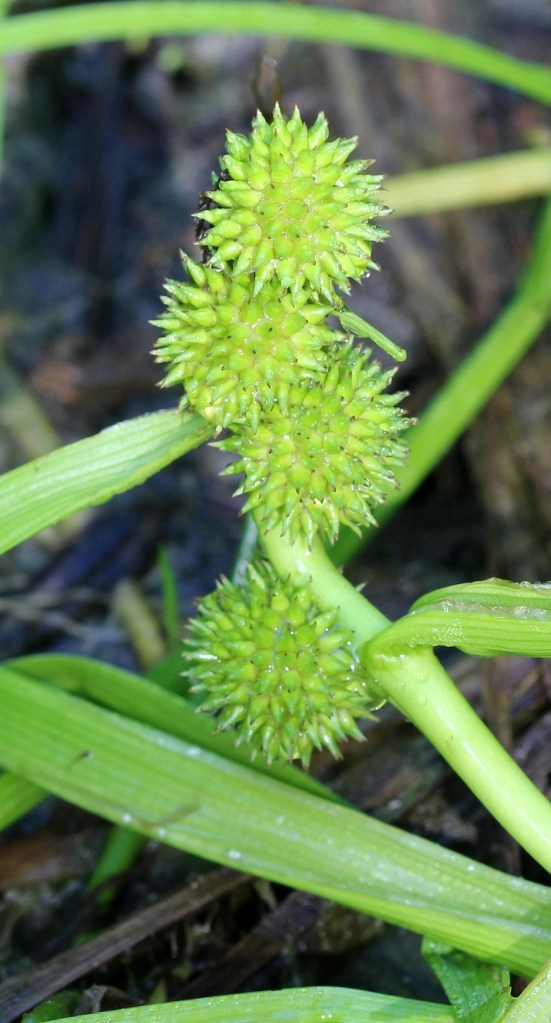
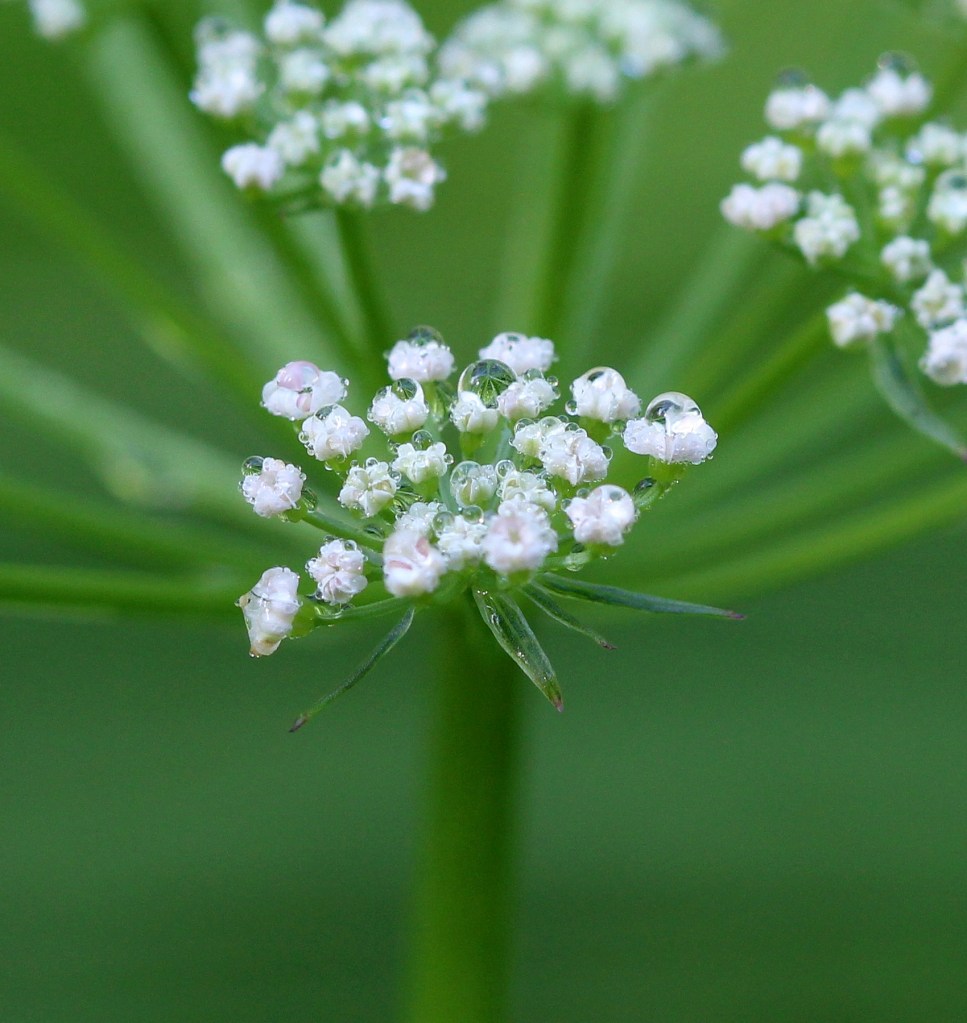
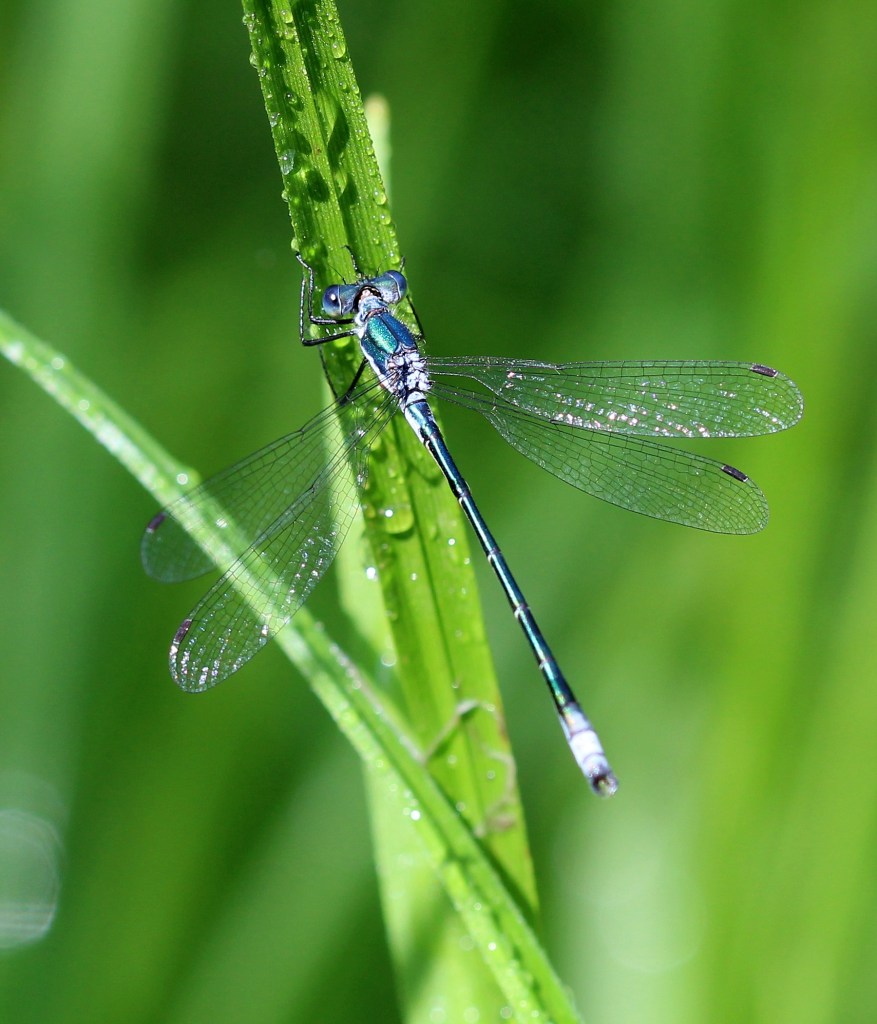
Above are few examples of plants and insects found in a small marshy woodland vernal pool just off the trail. The clustered bur-reed (Sparganium glomeratum) is an odd bur-reed that often grows in woodland vernal pools rather than lakeshores and rivers.

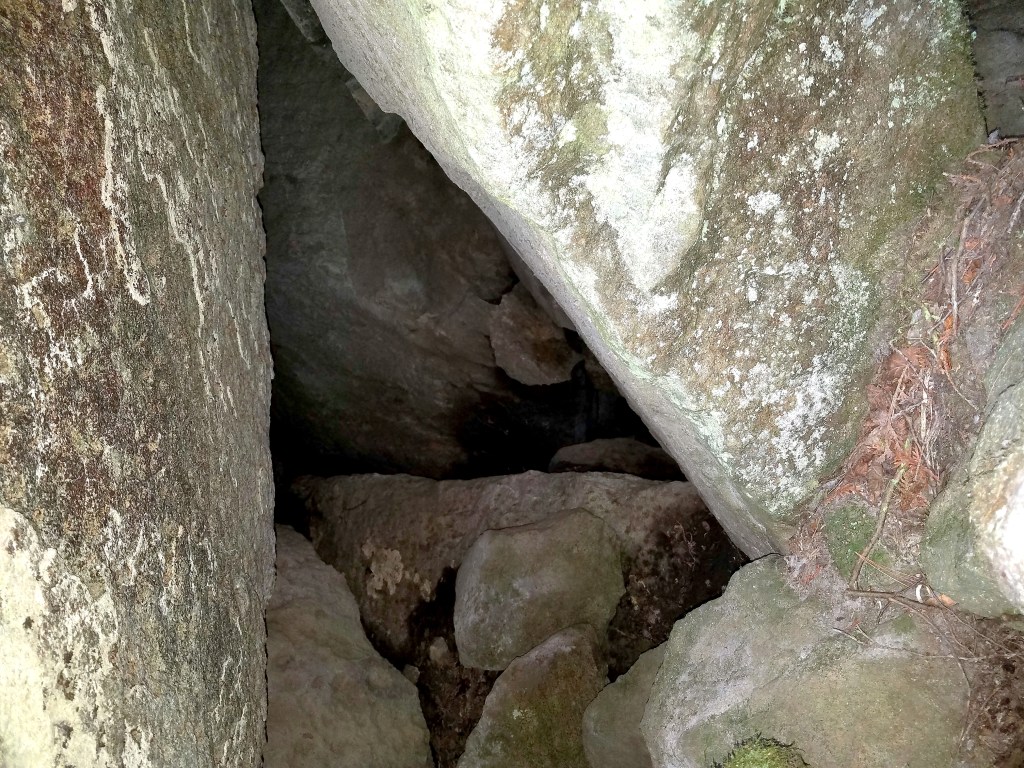
In the gorge I found several caves that had formed when huge fallen boulders had crashed upon each other. Some were almost big enough to stand in.

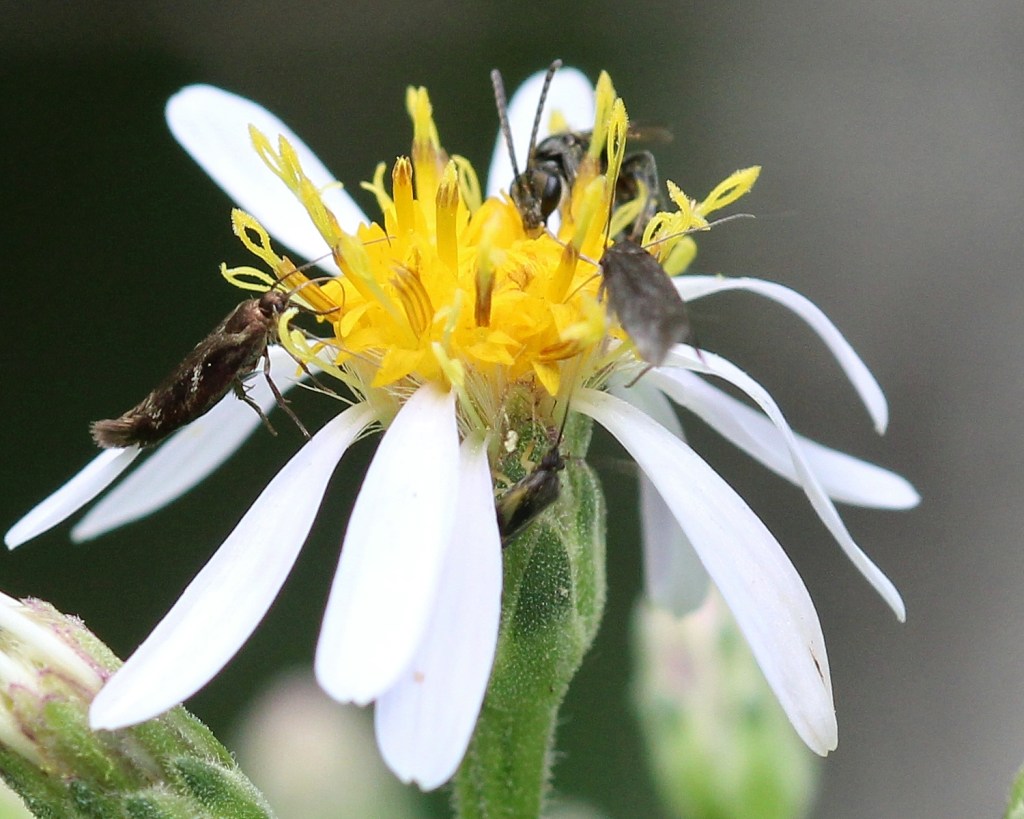
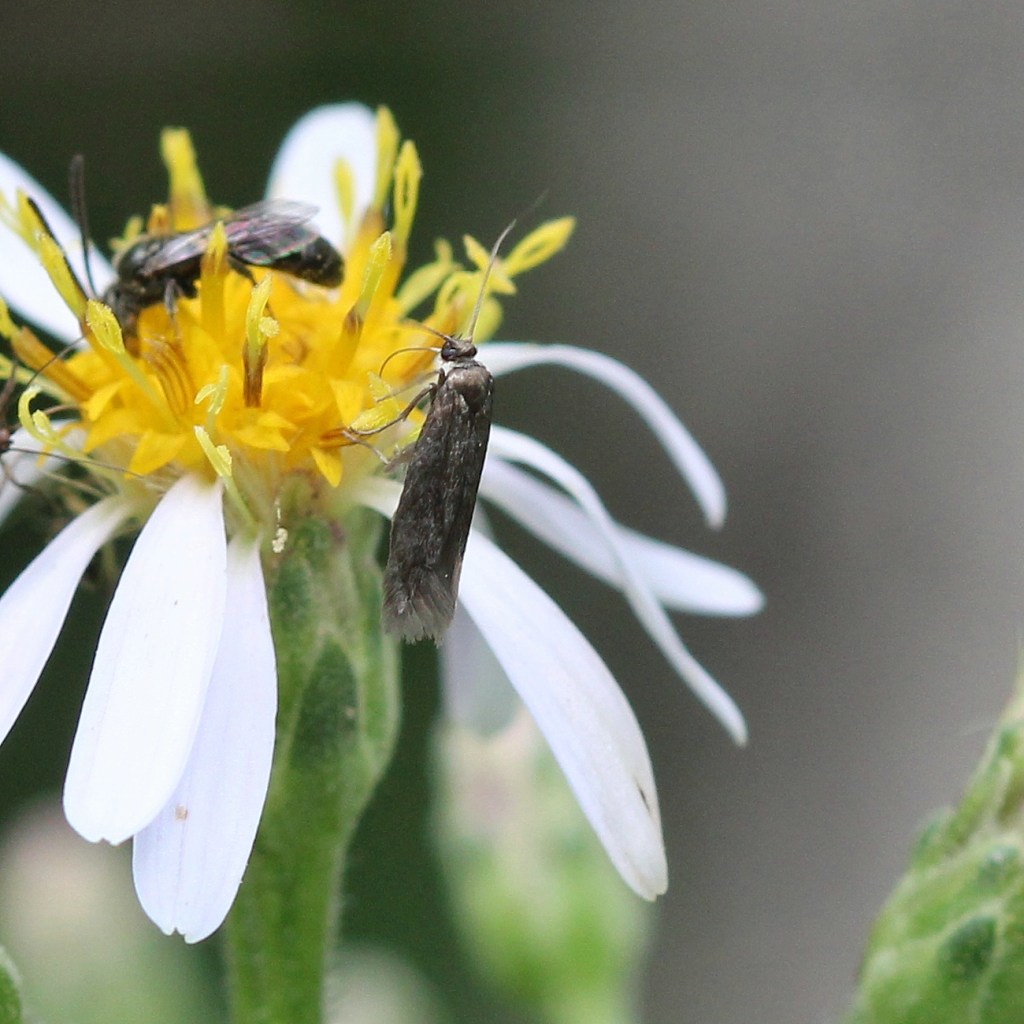
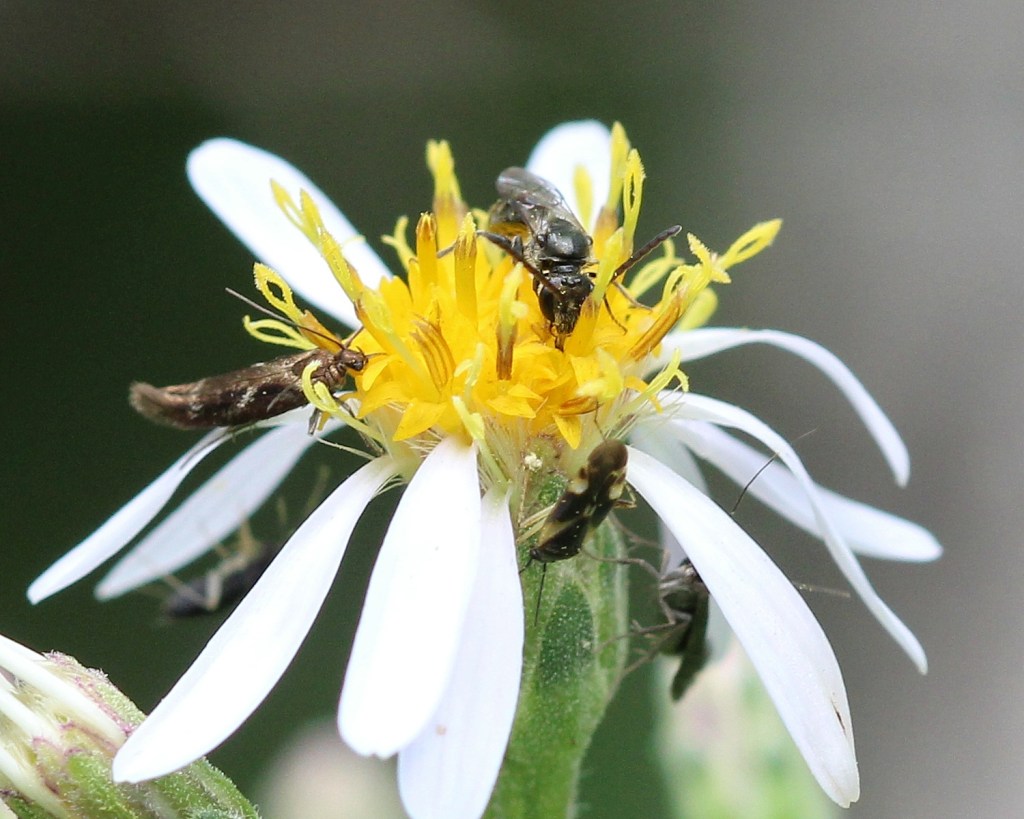
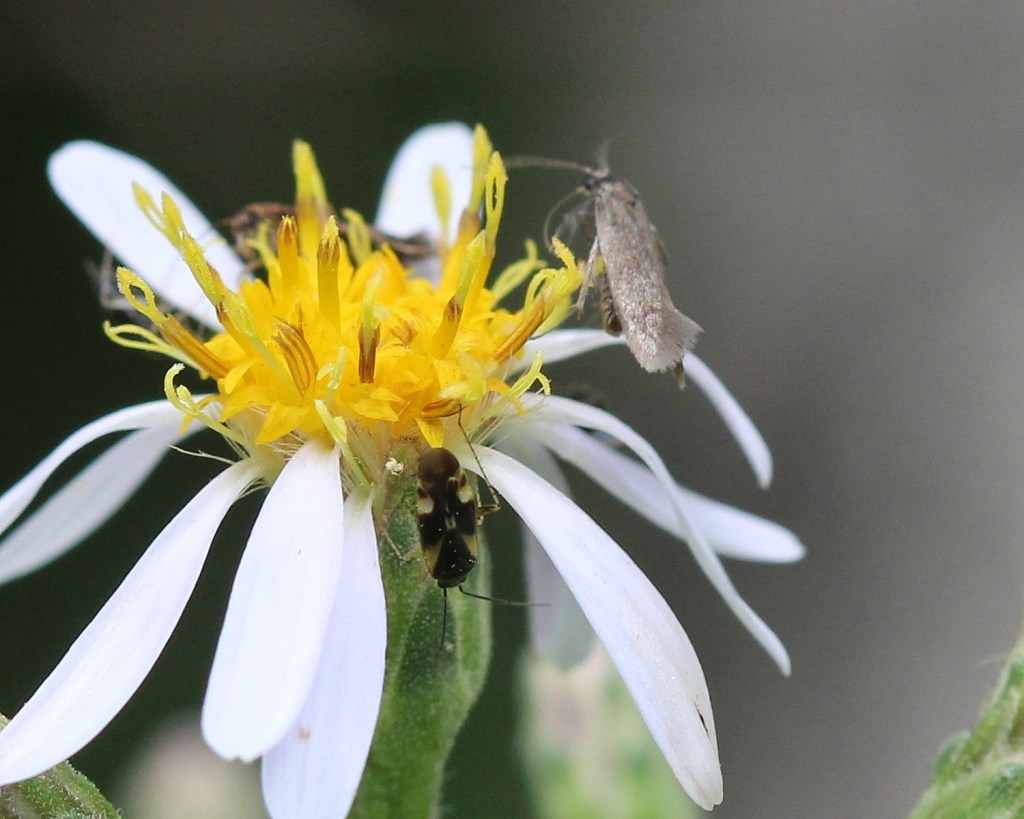
And I found insects, too. All of these were on one big-leaf aster flower. There are two moths (Scythris? and Landryia?), a bug (Plagiognathus obscurus), and a bee (Family Halictidae).

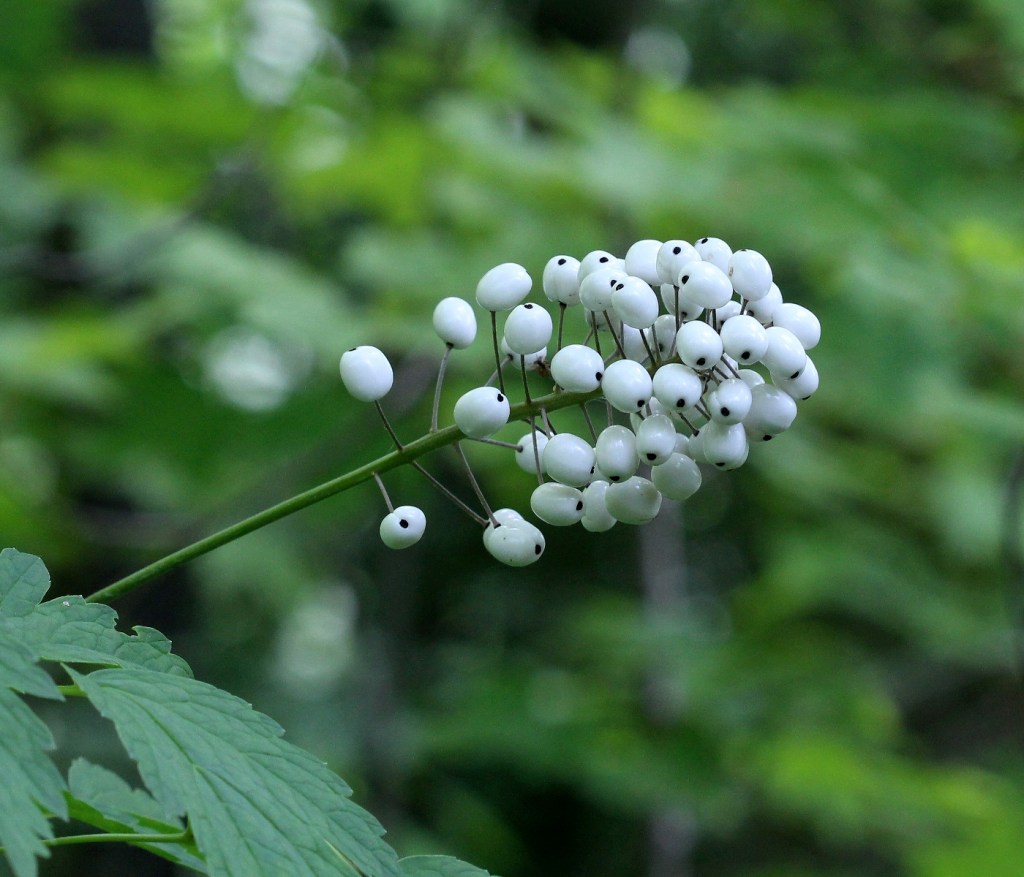
And, finally this plant, Actaea rubra (red baneberry) but with white instead of the usual red berries. It was common along the trail.

I think it’s about time to revive this blog

Well, I’ve been away for quite some time now. A lot has been happening here where I live and my life has gone through some changes. The biggest change is that I have officially retired. This happened right around the time of the COVID lockdown. Great timing, right?

This past July I finally got to take that vacation I was going to do in 2020 car camping and hiking in the Superior National Forest. That is one of the places where I used to work but this time the pace was relaxed and it didn’t matter if everything on the agenda was completed or not.

A micro-moth I found on the Superior Hiking trail in Lake County, Minnesota. It might be Landryia impositella or maybe a species of Scythris. Whatever species it is this moth is nectaring on big leaf aster in a sugar maple/paper birch forest.

I’ve also been doing a lot of exploring where I live and have found many more species of moths, one of my latest obsessions, as well as lichens, fungi, plants, and other living things. Back when I stopped posting the moth checklist was at about 470 species. Now, it is at 763 species and will probably go even higher before the winter weather arrives in late October.

Apantesis phalerata (harnessed tiger moth) one of the new moth species discovered this year at my porch light. Its presence marks a significant range extension north.

I’m building up the checklists on other insect species, too. While not as large (yet) as the moth lists they have been steadily growing. My focus is on bugs, beetles, wasps, and bees which is enough for now. Down below is one example of the new beetles on the checklist, Chlaenius tricolor (ground beetle), which under certain light conditions has a metallic iridescence. More will be coming soon.

Hitchhiker


I’ve been pretty busy with work these last several weeks but on one of my free days I was out walking my dog and saw this little black wasp on a milkweed leaf. I managed to get a few photos of it with my cell phone before it flew away. Judging from its long ovipositor this is a species of ichneumon wasp although at this point I do not know much more than that. When I looked closely at the photo I noticed there was another little animal with the wasp that was clinging to it by tiny pincers (circled in red in the lower photo). It is a type of arachnid a group of arthropods that includes spiders and scorpions. This tiny arachnid is commonly called a pseudoscorpion. Pseudoscorpions are tiny and when they are not hitching rides on insects they are searching leaf litter for prey such as ants and mites. Although pseudoscorpions do not sting they do have poison glands in their pincers which they use to subdue prey. They are harmless to larger animals. My best guess to the identity of this pseudoscorpion is that it is probably in the superfamily Cheliferoidea. Without an actual specimen that I could spend some time examining that is about as far as I can get.


I’ll be away from my desk…

Metanema inatomaria a species seen last summer on warm humid nights.


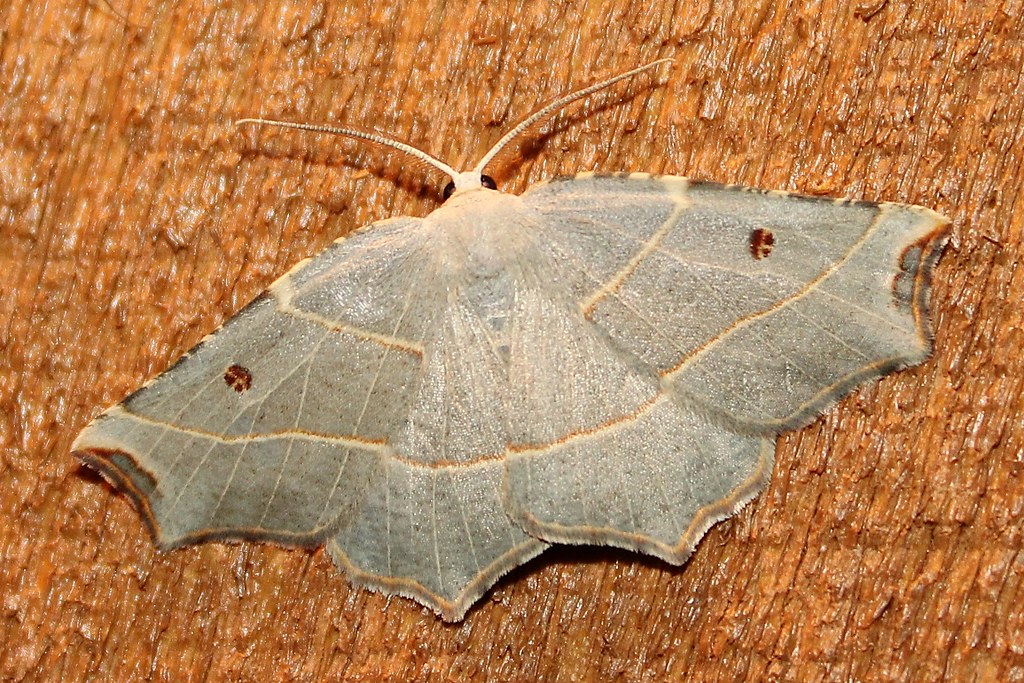
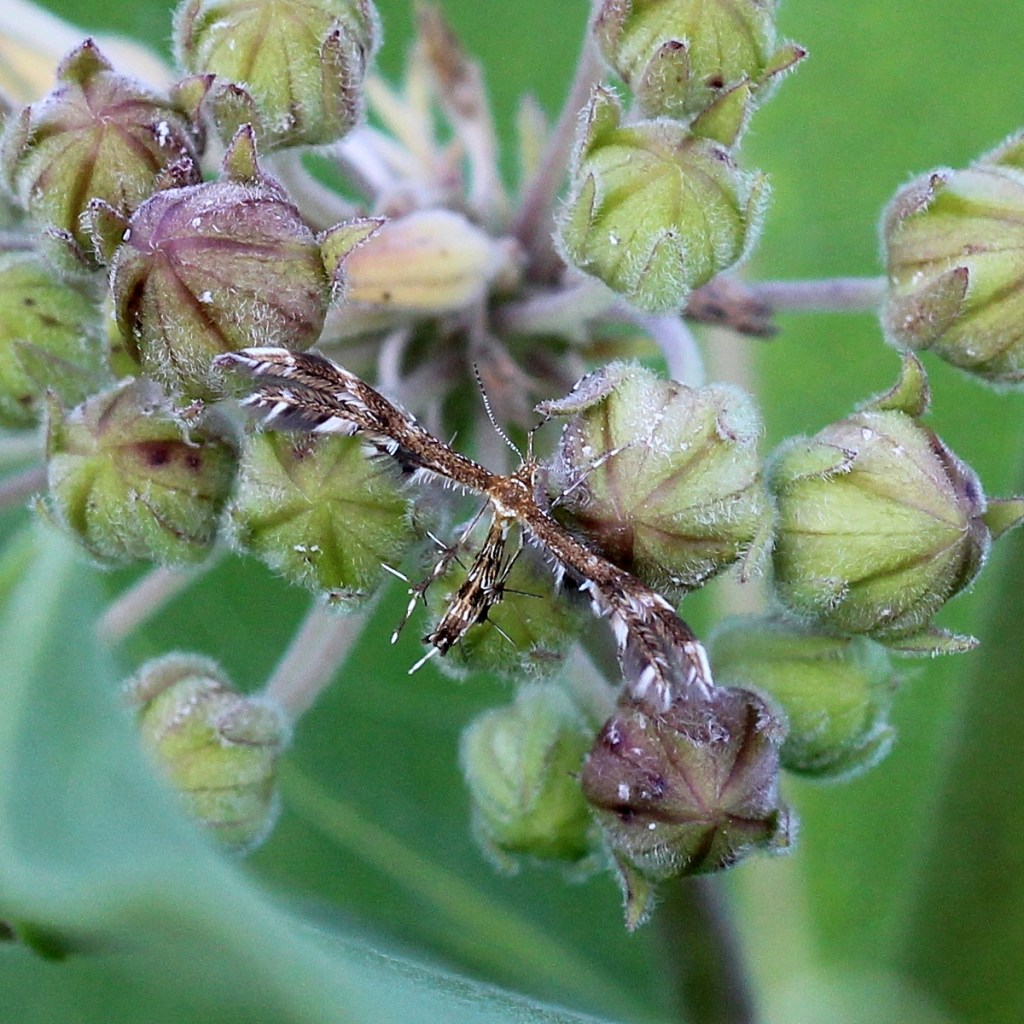
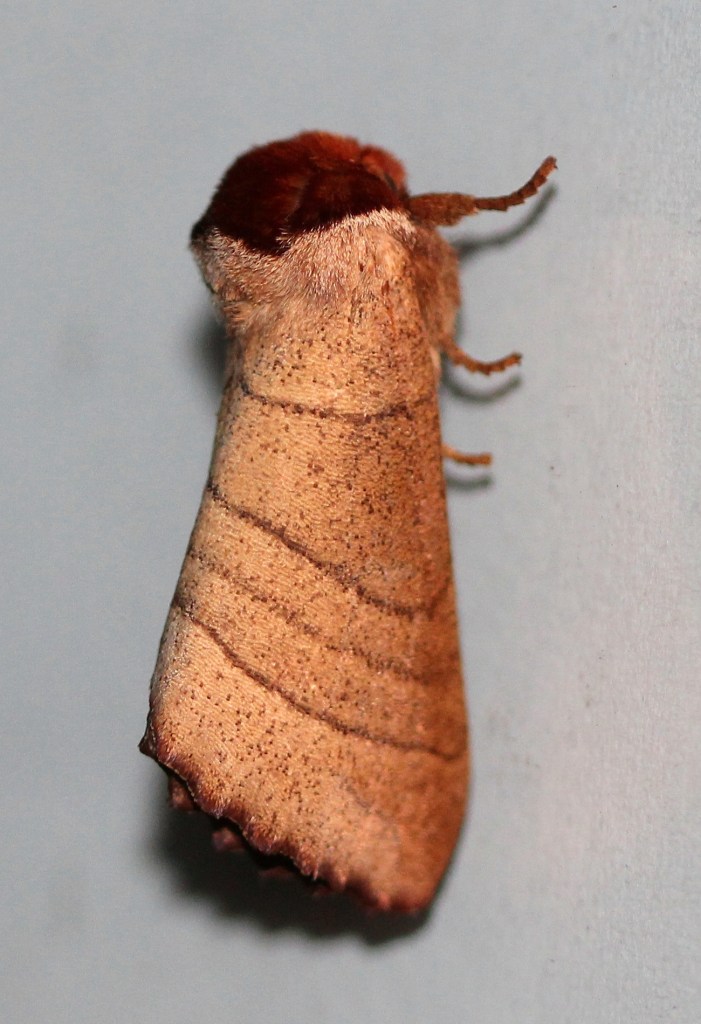
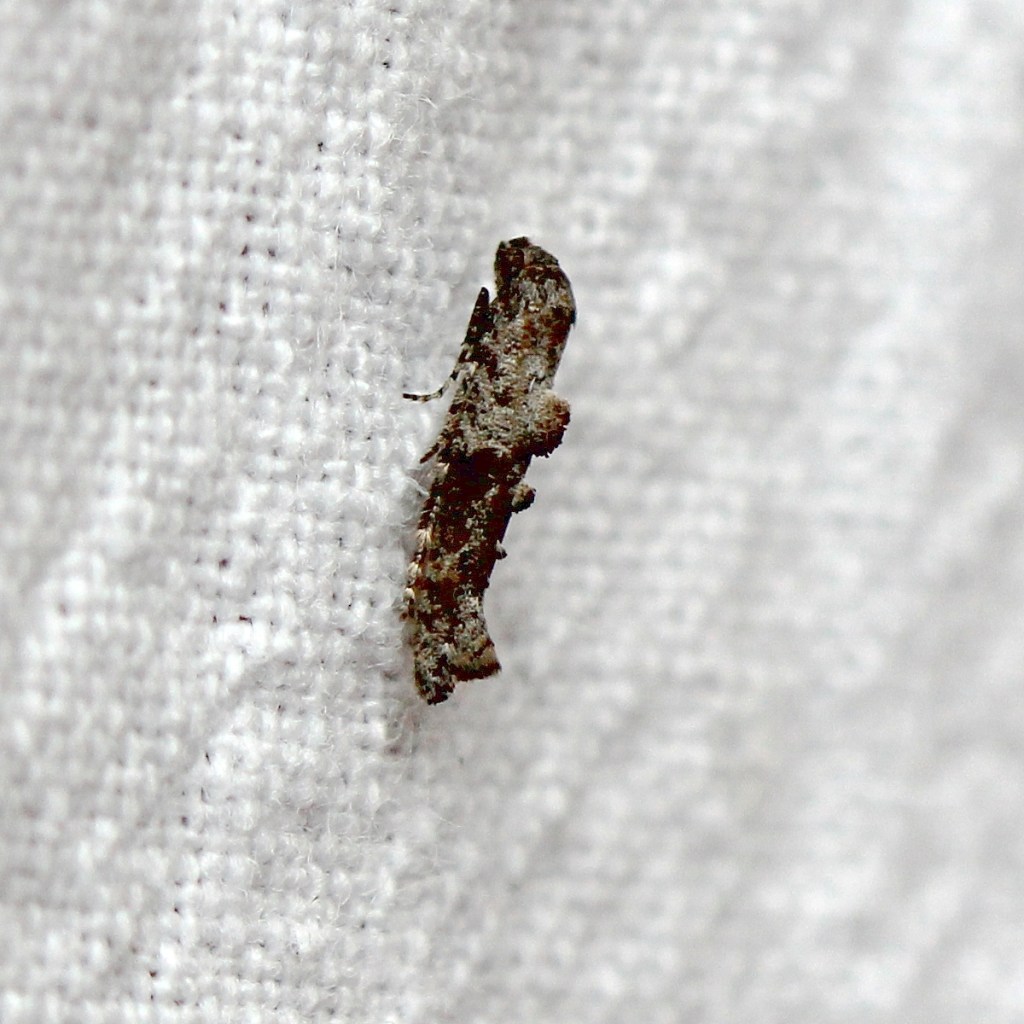
…during much of July and so will be posting a little less frequently. But summer has arrived and brings with it a new group of moths that love the hot and humid weather. Here are five of the seventeen new moths plus one returning visitor that showed up at my porch light over the weekend. I’ll be writing about these species later in August. There are already a few in the works on the moths Habrosyne scripta (almost done!), Oreta rosea, Phlogophora iris, Campaea perlata, and Monopis spilotella seen this year and last year.