Discovering Minnesota’s Diverse Moth Species

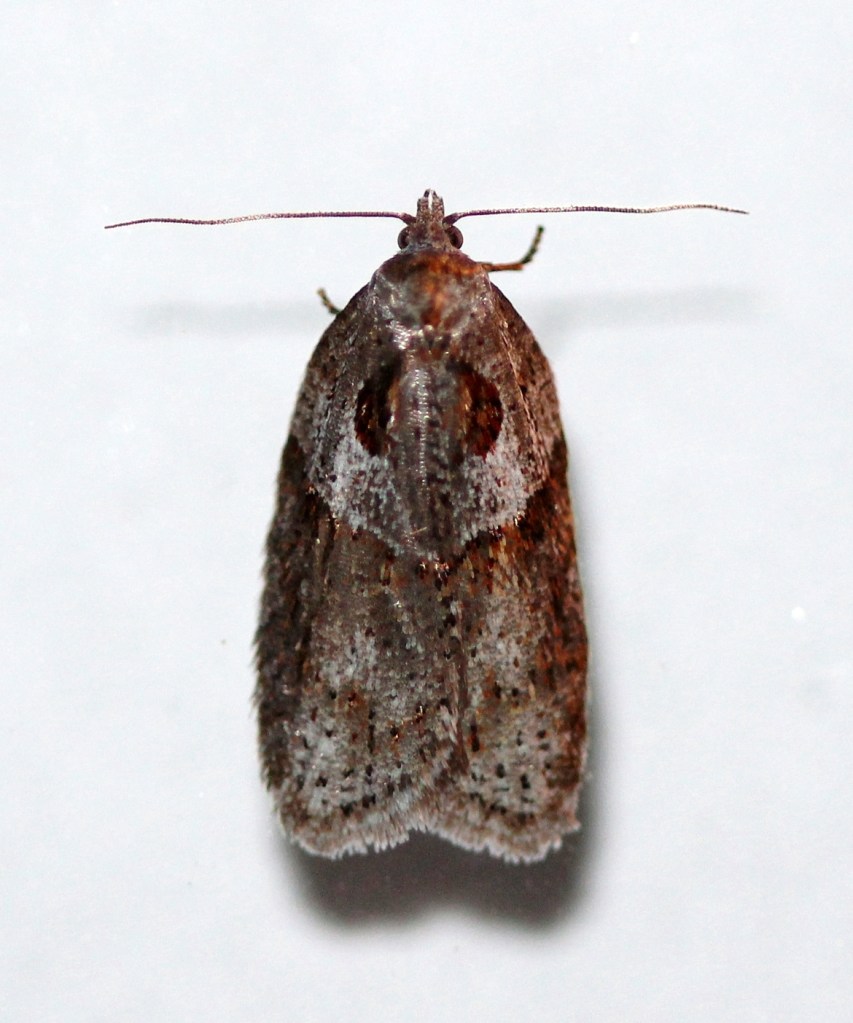
Phalaenophana pyramusalis (dark-banded owlet, Family Erebidae, Subfamily Herminiinae).

How many moth species does Minnesota have?

When I first started moth hunting in 2017, I had no idea how many species of moths live in Minnesota. My first experience with Minnesota’s moth numbers was from a moth survey report. There had been a Minnesota DNR moth survey of state parks from 2006 to 2008 along the eastern edge of the state. Its purpose was to document moth species present before LDD moth (Lymantria dispar dispar) control efforts.

Their final list, representing just a small portion of the state, was 768 species, although they believed that statewide, there are about 2,200. I wondered how many of those moths might be where I live.

So many moths are tiny

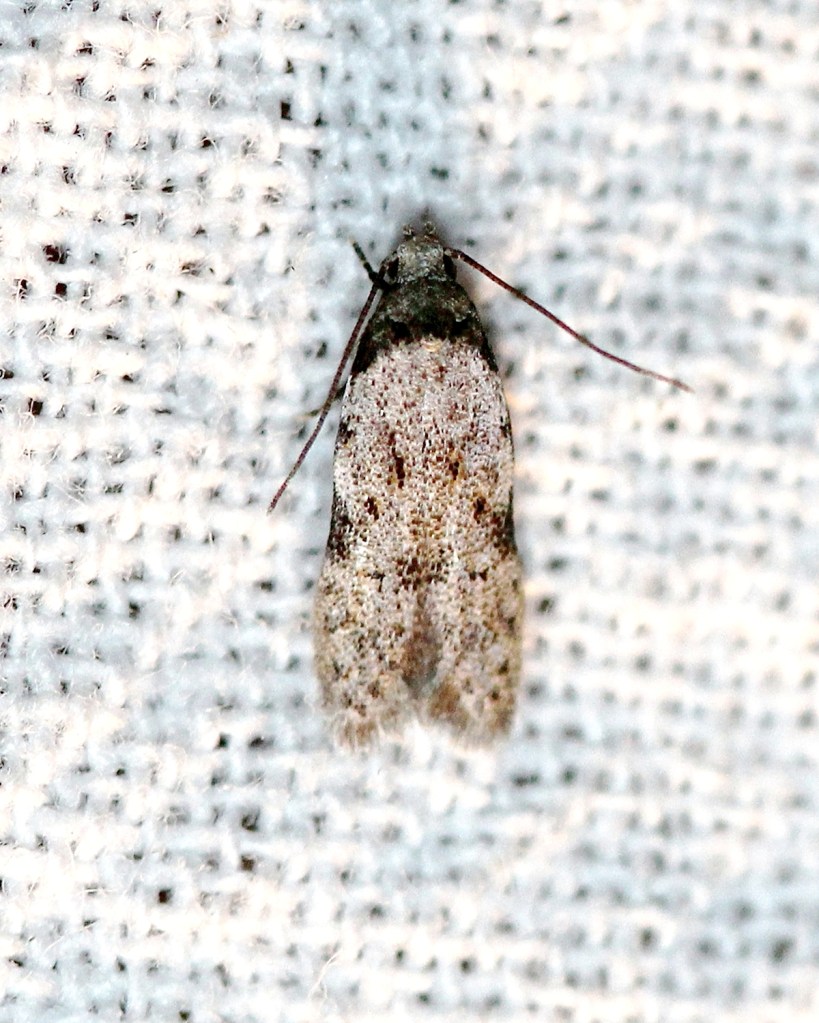
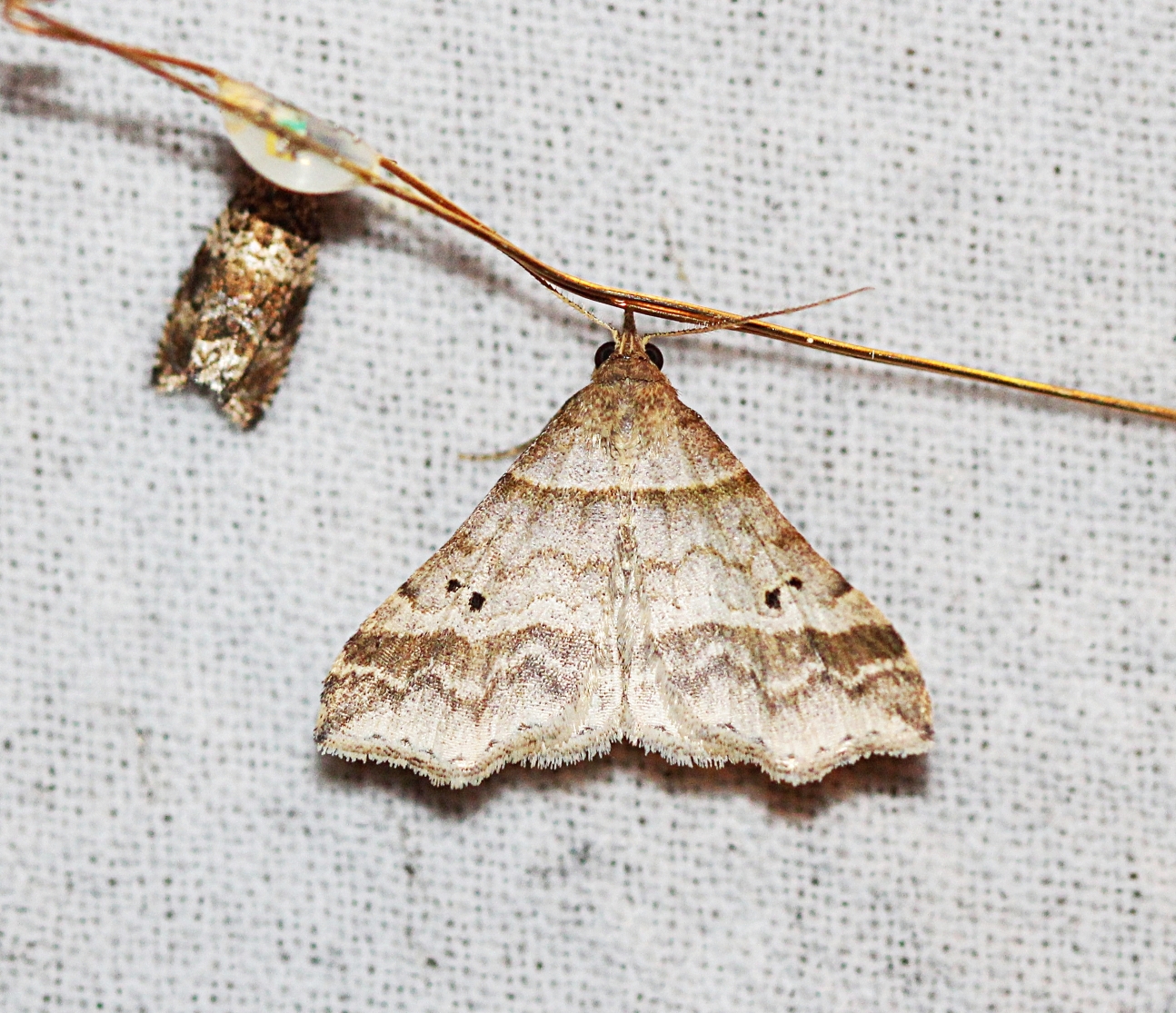
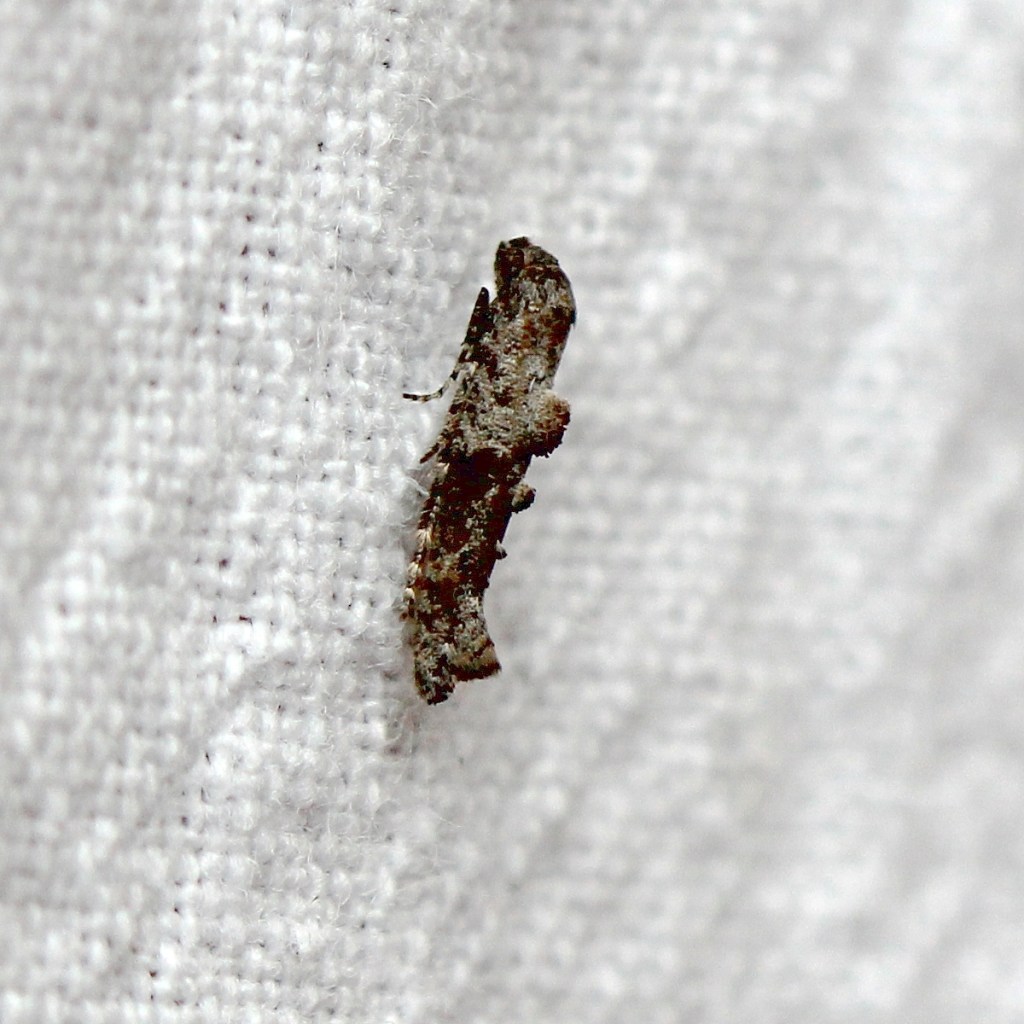
Early on in my mothing I noticed there were many tiny moth species. I found some moths the size of a thumbtack. Others are smaller than a grain of rice, like the three species below.
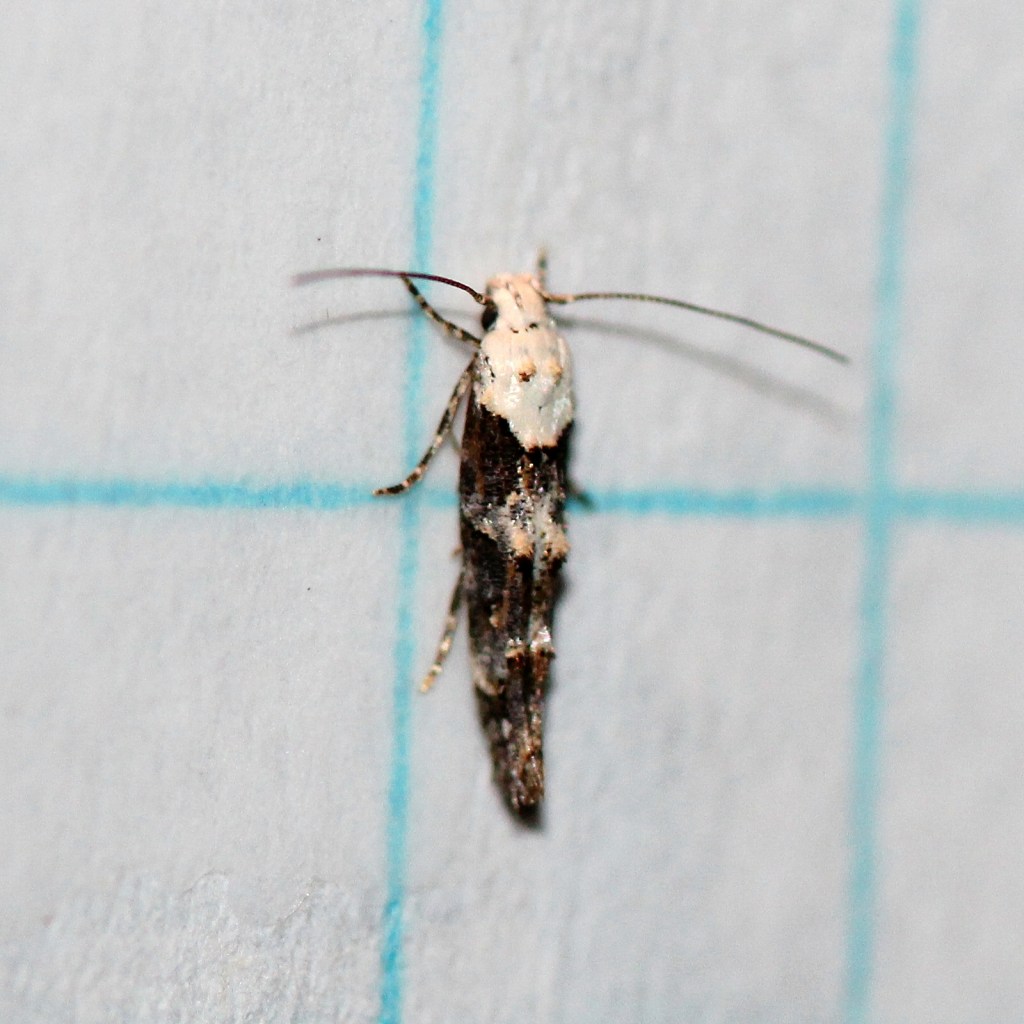
Identification is not so simple

Most people are familiar with the larger charismatic moths, like the luna moth or one of the sphinx moths. But for many of the moths out there, they are just moths. This is understandable. Identifying anything to species is not always easy. With moths, this task is even more challenging given their variety of sizes, colors, and often subtle differences in wing patterns. To make matters worse, some species exist in different forms or look like other species.

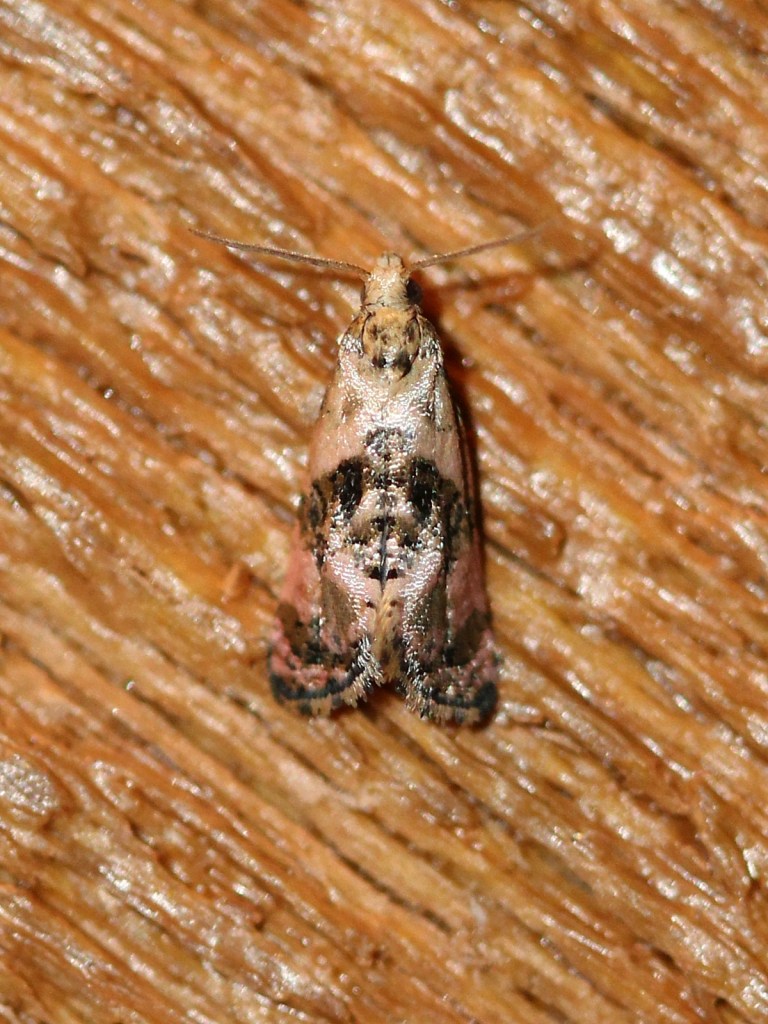
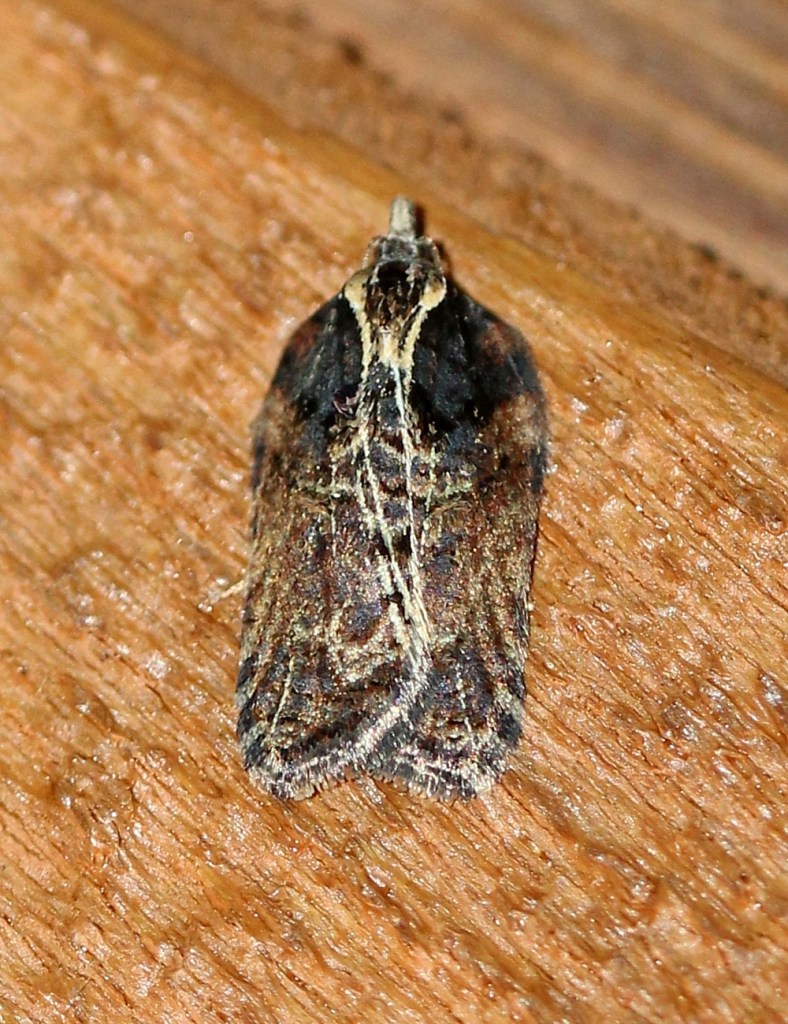
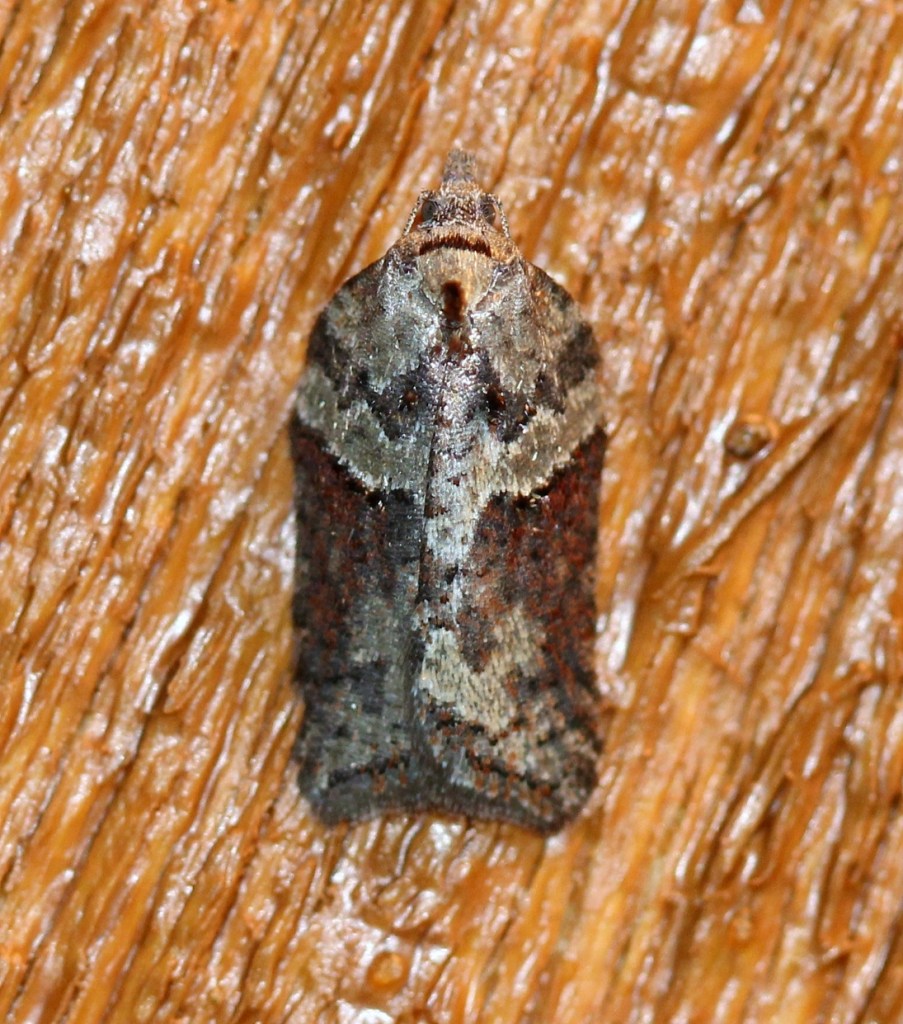
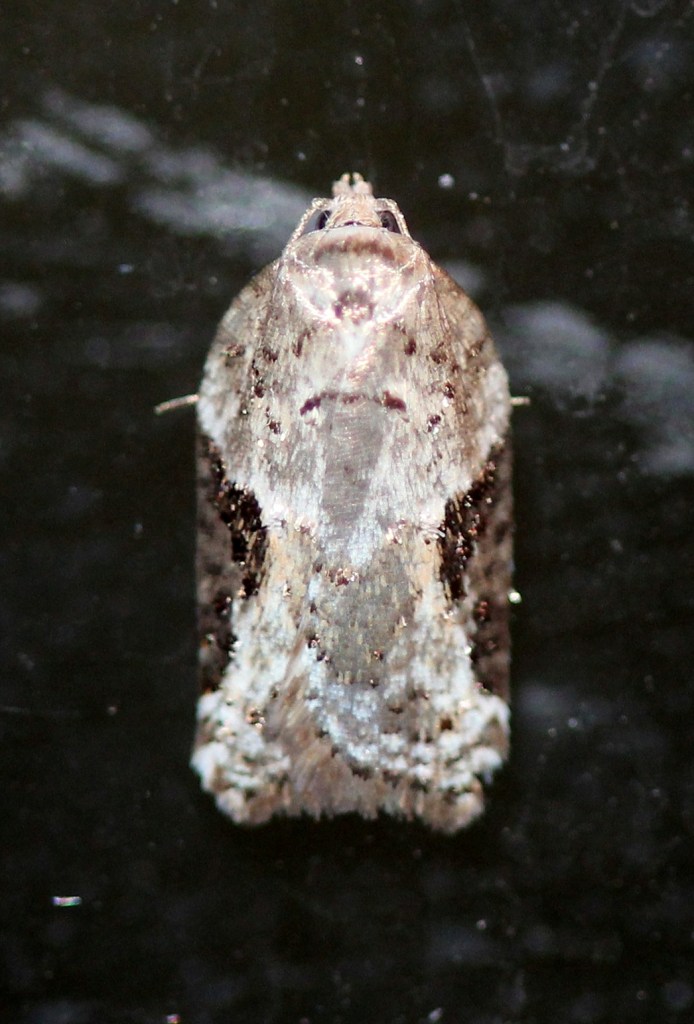
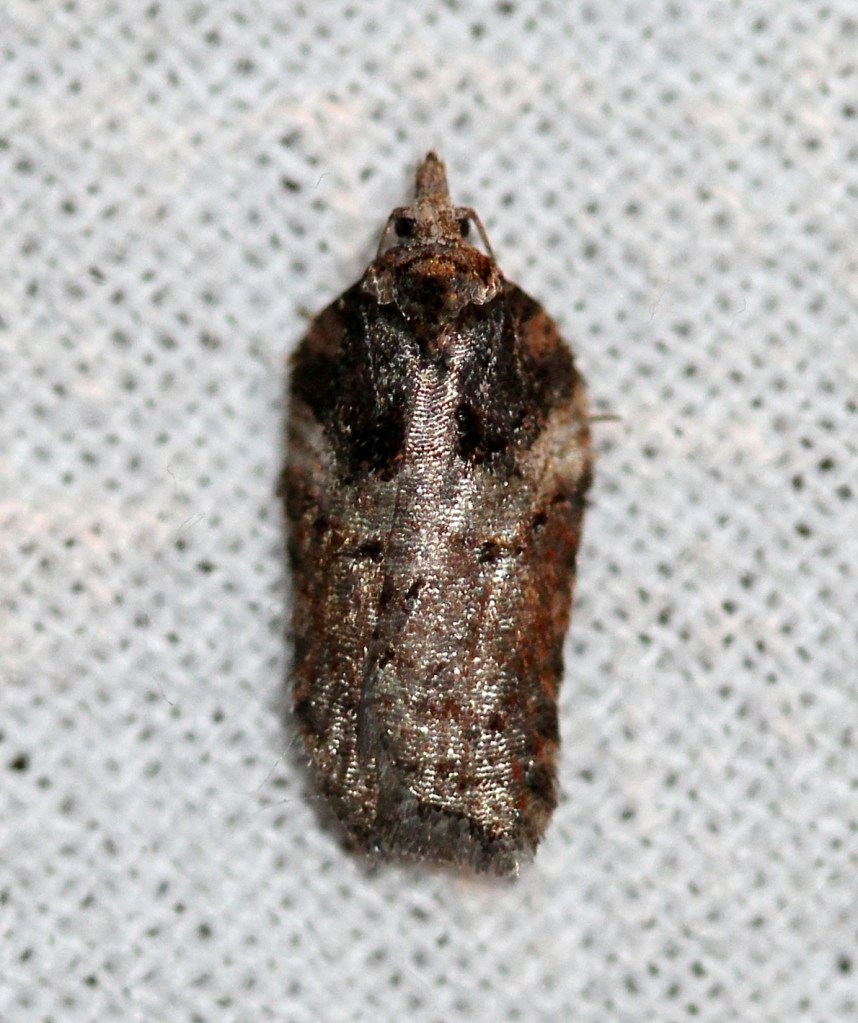
Acleris (Superfamily Tortricoidea, Family Tortricidae) is a good example of a genus with intraspecific variation. Some species even resemble others within the genus. I’ve included two photos of Acleris celiana showing two of the forms it exists in. There are also photos of other Acleris species, some of which resemble each other.
So, is that the final count?

By the end of 2019, I had identified 541 moth species. It seemed to me this was close to the upper limit of moth species present. After all, the DNR survey had documented 768 species in thirteen state parks. These parks range from the southeast corner of the state to the northeast corner. I am looking at only a tiny fraction of that territory. About 40 acres, to be exact.

My list surpasses the DNR’s list

Eventually, my species checklist surpassed the MN DNR survey’s list. After rechecking identifications, synonymy, and duplications, my list was at 865 species. That’s 97 species more than the DNR list. How to account for that?

Accounting for the differences

The differences in species counts are most likely due to our respective sampling methods and time available. The MN DNR survey’s list is almost entirely species from so-called macro-moth taxa. It is heavily weighted towards Geometridae and Noctuidae.

It is likely that the smaller moths, the so-called micro-moths, were not within the scope of the survey. It would have taken too much time to identify every moth. This would delay the report and critical action on Lymantria dispar dispar expansion into Minnesota.
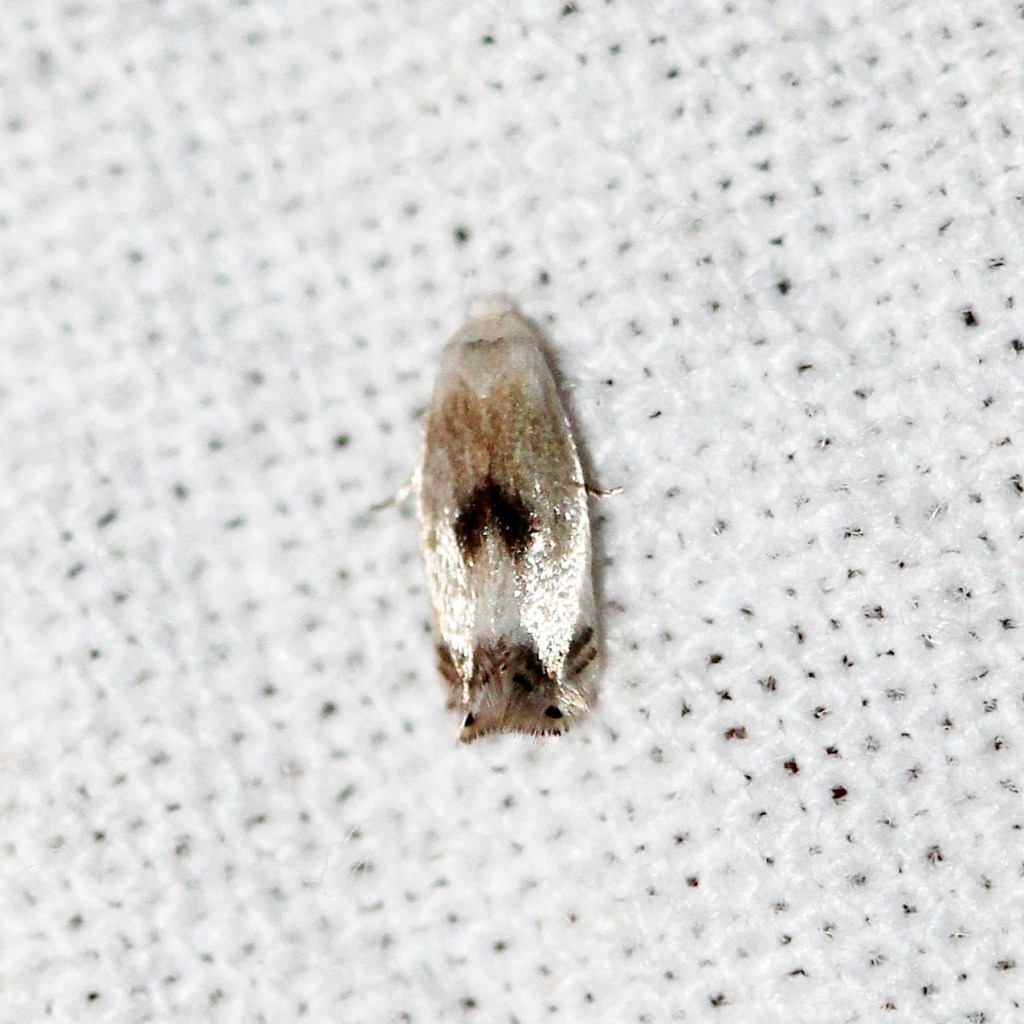
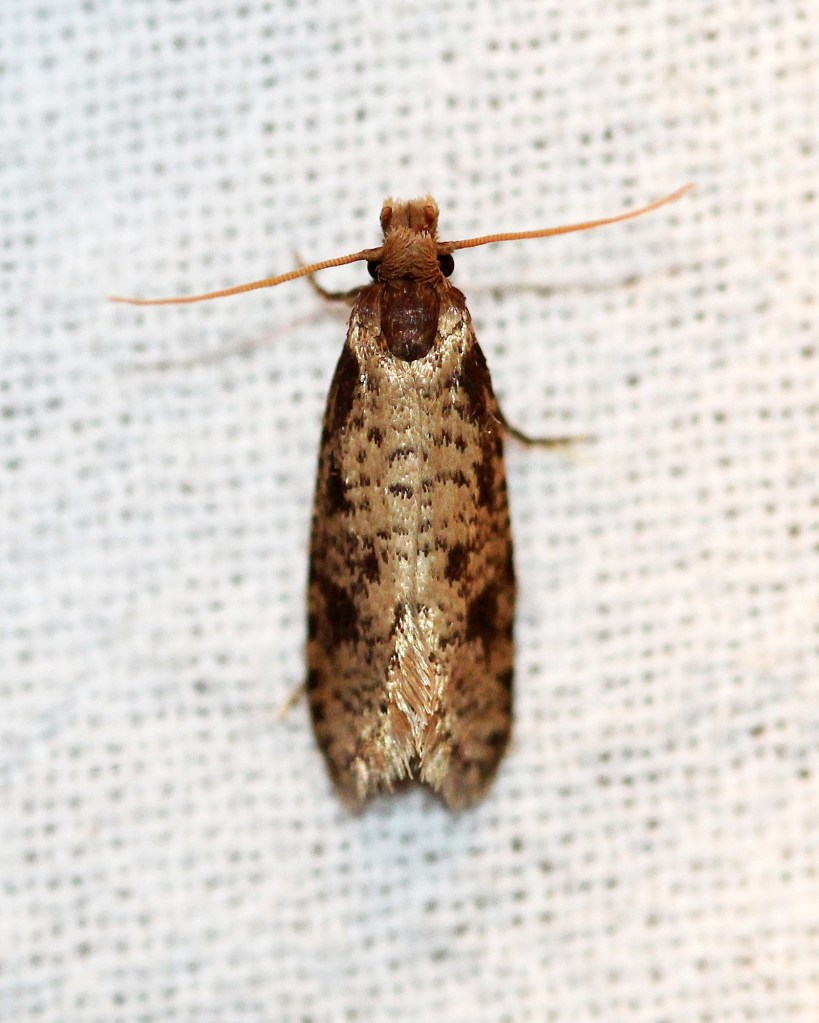
So, while our lists overlap for most of the macros, my list also includes micro-moths. These include those from the superfamilies Gelechioidea, Nepticuloidea, Tineoidea, Tortricidae, and other taxa with mostly minute moths.

When I am mothing, I try to photograph and later identify every moth that comes to my moth light. I am not under any time constraints to complete fieldwork or produce a final report. Some unidentified moths have sat in my photo files for years before I figure them out. They needed to present the bigger picture. I am just filling in the details and have plenty of time to do it.

My checklist will continue to grow

I’ve been working on documenting the moths on my land for eight years. I don’t think I am done yet. I also don’t think annual additions to my checklist have peaked.

The rate of new species additions has been about 33 per year since 2020. As of 2025, the species checklist stands at 865 moth species with 34 new additions. This includes macros and micros. If that rate continues, the checklist will reach 1,000 species in about four years.

Mothing into the fall and even the winter

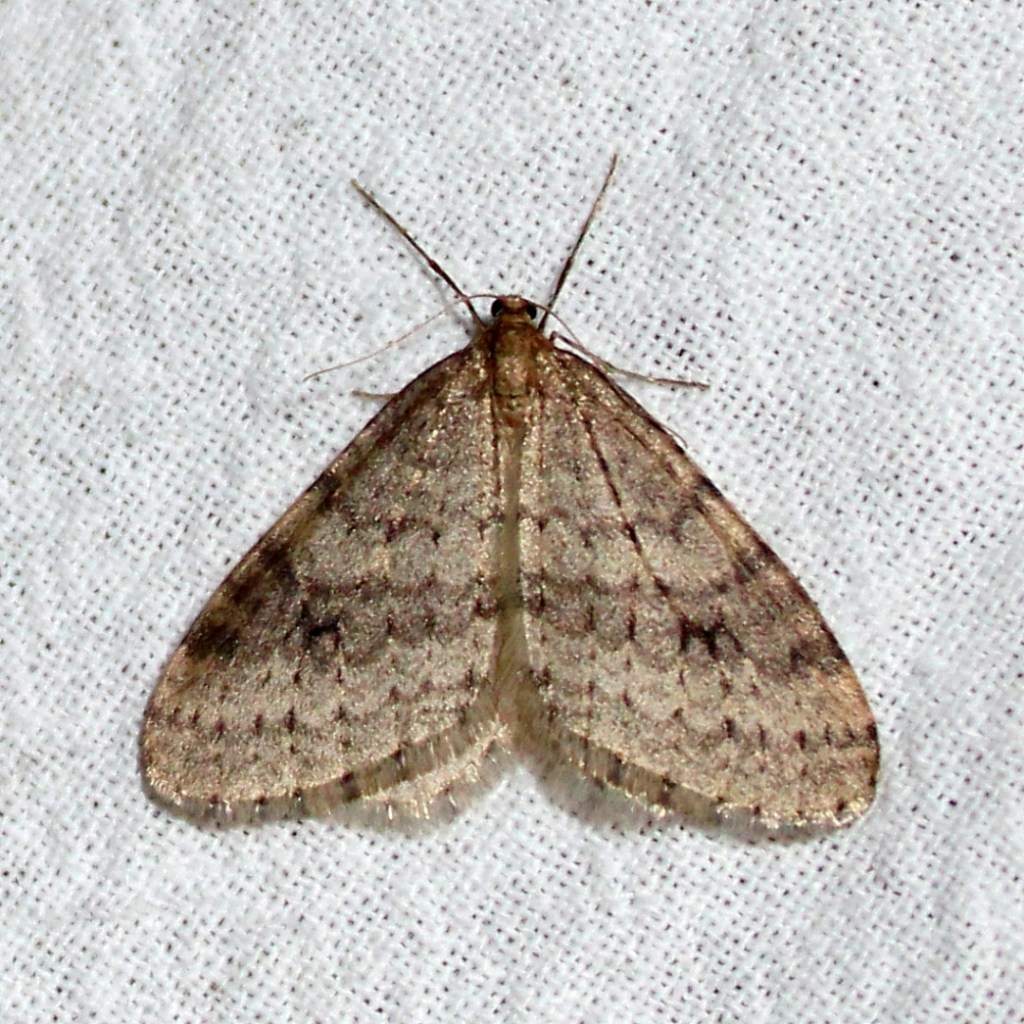
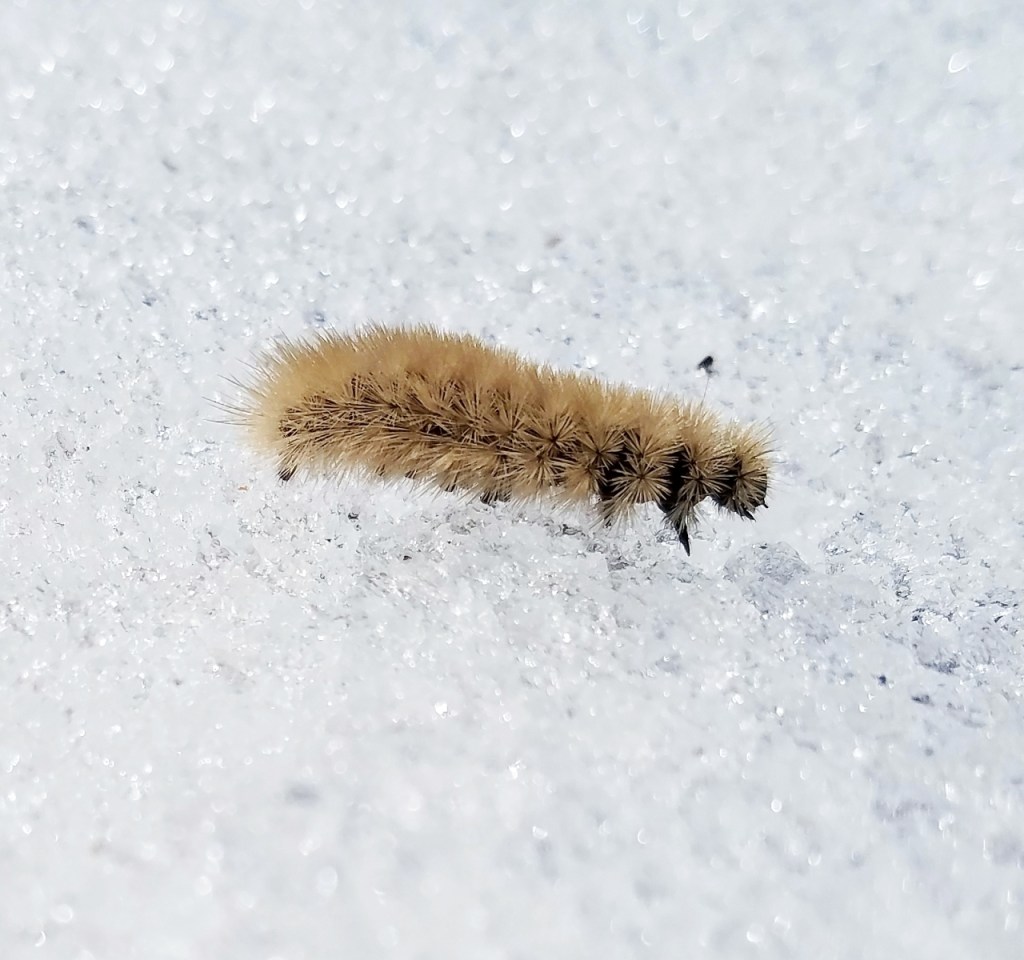
Autumn is upon us now. Soon, almost all insect life outdoors will be gone. In the meantime, I will continue to photograph right up until the snow falls and the lakes freeze. But even in winter, it is possible to find some insect life, including moths, outdoors.
I finally found it


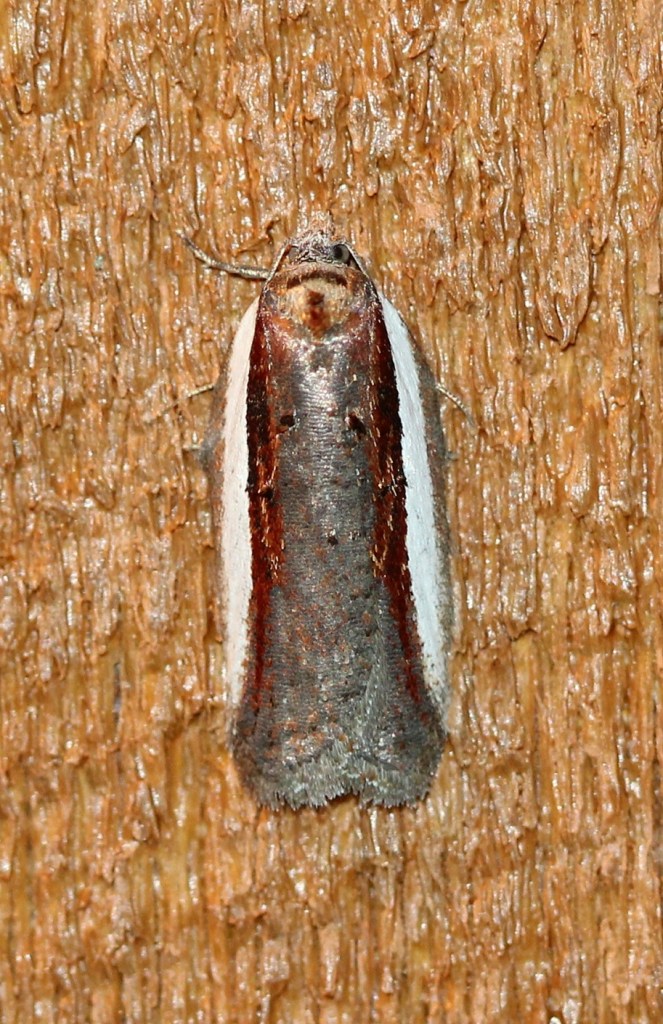
Ancylis albacostana that is. This was the moth species I believed I had found twice before but was wrong each time being thrown by the white wing margins. This time it is the real deal and was confirmed at Bug Guide last night. The first “discovery” was made several weeks ago after going through photos from last summer. The second was in late April after seeing another moth with a white stripe along its wing edge. It later turned out that these were two different species. The first one turned out to be Capis curvata and the second Acleris celiana. I’ve added photos of Capis curvata and Acleris celiana for comparison with this new moth so that the differences and similarities can be seen.

This moth, which I found on Monday night, fits Kearfott’s description of Ancylis albacostana very well: “Fore wing lead color, rather heavily overlaid on inner two-thirds below the costa [main vein along leading edge of wing] with brownish and blackish scales. From the base to the apex on the costa is a pure white band, widest at end of cell, where it is nearly a quarter the width of wing; continuing to base with only a trifle less width, and lower edge curving evenly into costa and ending in a point at apex.”

Heinrich (1923) says of Ancylis albacostana: “A striking species at once to be recognized by the shining white unmarked costa of fore wing.”

Taxonomy
Class Insecta (Insects)
Order Lepidoptera (Butterflies and Moths)
Superfamily Family Tortriciodae (Tortricid Moths)
Family Tortricidae
Subfamily Olethreutinae
Tribe Enarmoniini
Genus/species Ancylis albacostana

Acleris celiana is also in the Superfamily Tortricidae, Family Tortricidae but separated to the Subfamily Tortricinae and Capis curvata is in the Superfamily Noctuoidea and Family Noctuidae (Owlet Moths).

Range
A. albacostana is known from a few locations in nine states Indiana, Maine, Vermont, Massachusetts, New York, Pennsylvania, Michigan, Wisconsin, and North Carolina) and three Canadian provinces (New Brunswick, Quebec, and Ontario). In the Alberta Lepidopterists Guild 2011 spring newsletter there is a tentative report of A. albacostana from Medicine Hat, Alberta collected in 2009. The same report also mentions A. albacostana from Minnesota and Manitoba. Tortricid.net notes it was found in Manitoba in 1905 and that the specimen, which is shown on the web page, is housed in the U.S. National Entomological Collection a part of the Smithsonian National Museum of Natural History.

The Minnesota occurrence of Aalbacostana is referenced by Miller (1987) in Guide to the Olethreutine Moths of Midland North American Moths (Tortricidae) in the description of A. albacostana on page 82: “Forewing 7.5 to 8.5 mm long, dark areas grayish brown or brownish black. Adults captured May 29-June 30. Ml, MN.” It does not seem that a year for the collections is given in the paper.

Larval Host Plants
Caterpillars of A. albacostana feed on leaves of maple (Acer spp.).


SOURCES
Ancylis albacostana – White-edged Ancylis Moth – Kearfott, 1905 at Moth Photographers Group.

Ancylis albacostana Kearfott 1905 at Tortricid.net

Alberta Lepidopterists’ Guild Newsletter – Spring 2011 on page 15.

Beadle, D. and Leckie, S. (2012). Peterson Field Guide to Moths of Northeastern North America. Houghton Mifflin Harcourt Publishing Company, Boston. 640 pages.

Kearfott, W. D. (1905). Descriptions of New Species of Tortricid Moths From North Carolina, With Notes. Proceedings of the United States National Museum, Vol. 28: 319-364. Description of Ancylis albacostana on page 360.

Grehan, J. R., B. L. Parker, G. R. Nielsen, D. H. Miller, J. D. Hedbor, M. S. Sabourin, and M. S. Griggs. (1995). Moths and Butterflies of Vermont (Lepoidoptera): A Faunal Checklist. A joint Vermont Agricultural Experiment Station and State of Vermont publication. Misc. Publication 1167, VMC Bulletin 1. 86 pages. Vermont occurrence of Ancylis albacostana on page 16.

Heinrich, C. (1923). Revision of the North American moths of the subfamily Eucosminae of the family Olethreutidae. United States National Museum Bulletin. 123:1-298. Description of Ancylis albacostana on page 253.

Miller, W. E. (1987). Guide to the Olethreutine Moths of Midland North America (Tortricidae). United States Department of Agriculture Forest Service Agriculture Handbook 660. 110 pages. Description of Ancylis albacostana on page 82.

Species Ancylis albacosta – White-edged Ancylis Moth – Hodges#3387 at Bug Guide.

Species Acleris celiana – Hodges#3533 at Bug Guide

Species Capis curvata – Curved Halter Moth – Hodges#9059 at Bug Guide.