Carynota marmorata (marbled treehopper)

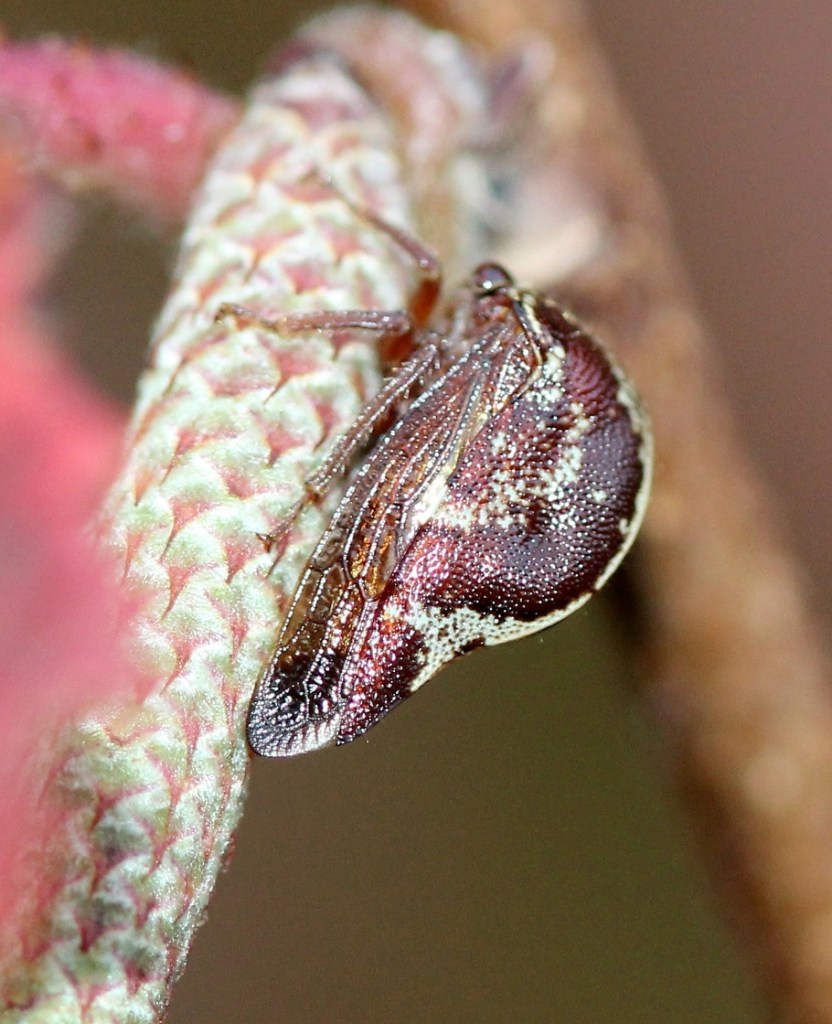
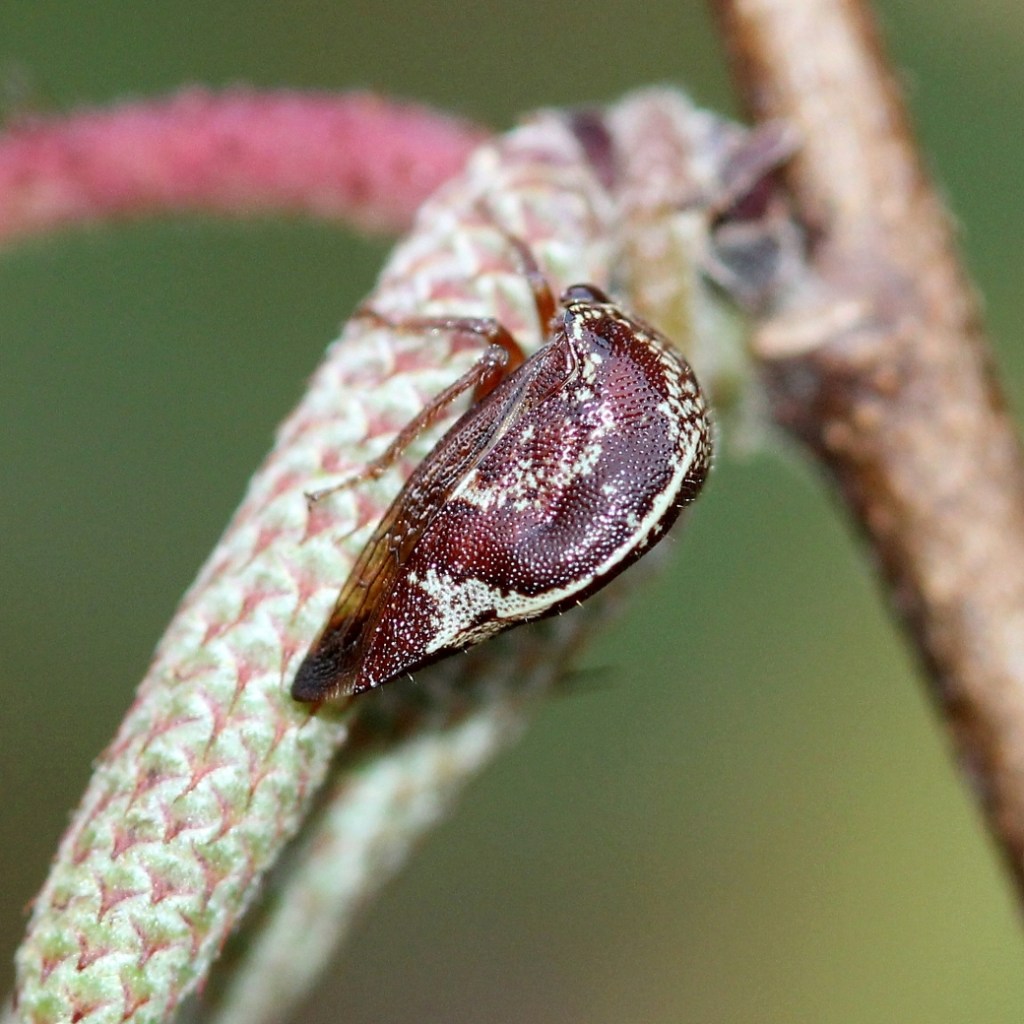
Carynota marmorata (marbled treehopper) is a treehopper in the Membracides. This one caught my attention when I was getting ready to trim back a hazel bush that was extending a little too far into the driveway. I rushed back to the house, got my camera and tripod, and began shooting away.

Description

The high and rounded pronotal (the first segment of the thorax) crest is one of the first things that stand out on this species. The coloration of Carynota marmorata is variable but always a shade of chestnut-brown mottled with irregular greenish white speckling over the pronotum (the dorsal plate of the prothorax). Individuals may vary in the amount of speckling, with some having more than others. There may also be broad, more connected pale yellow patches forming transverse bands across the pronotum.

The pronotum is sparsely pubescent and coarsely punctate. The triangular head is sparingly pubescent, finely punctate, and spotted with red and yellow patches. They have red to black eyes. The tegmina have noticeable veins and are smoky hyaline. The legs are rust-colored, while the underside of the body is chestnut. Adults measure 4 mm in width and 8 mm in length.
Habitat and host plants

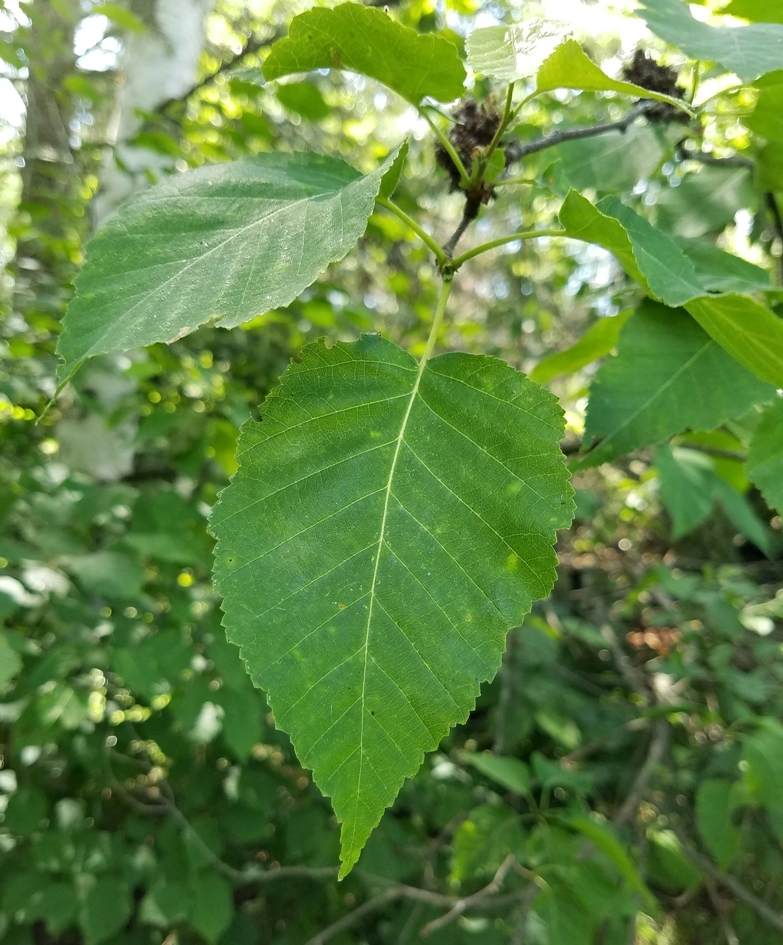
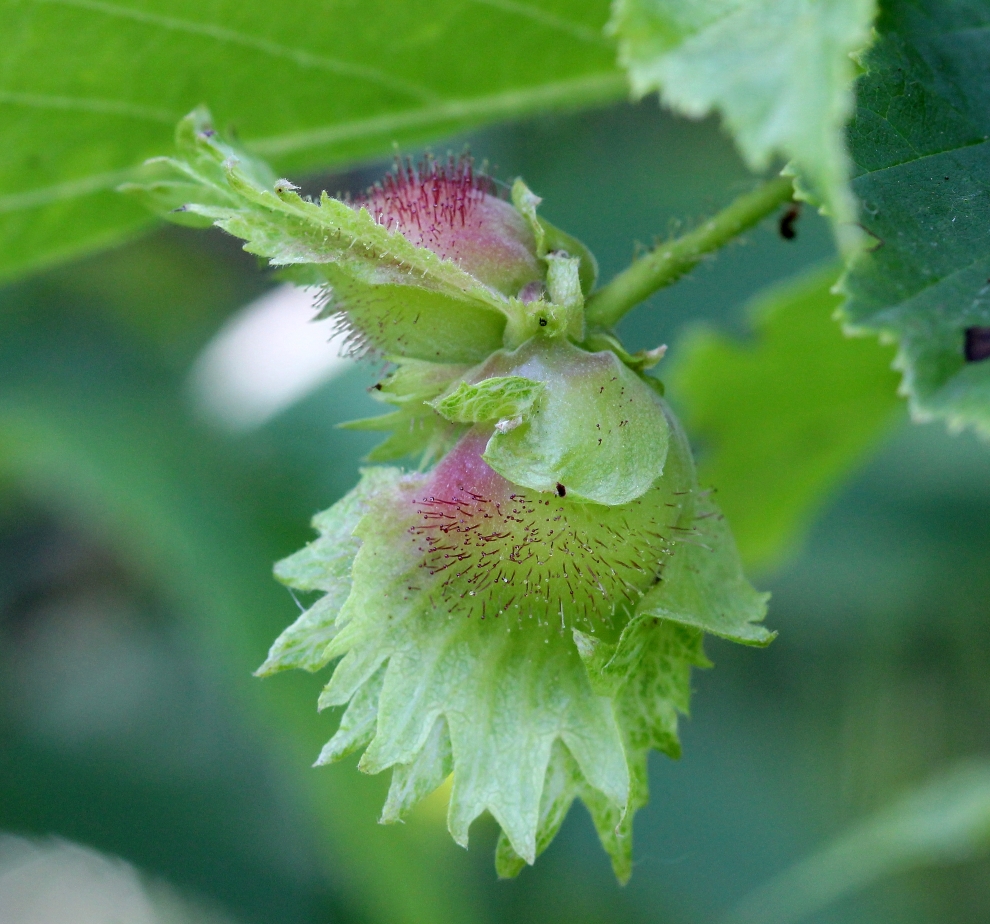
Carynota marmorata feeds on trees and shrubs in the birch family (Betulaceae), including paper birch (Betula papyrifera), American hazel (Corylus americana), and tag alder (Alnus incana).
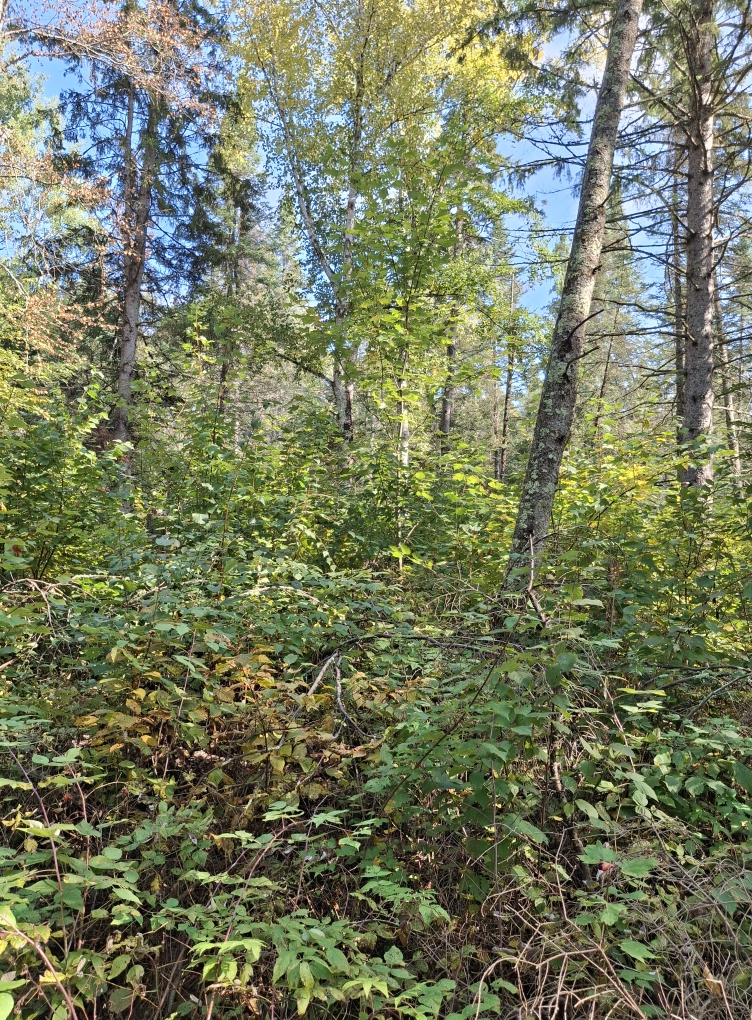
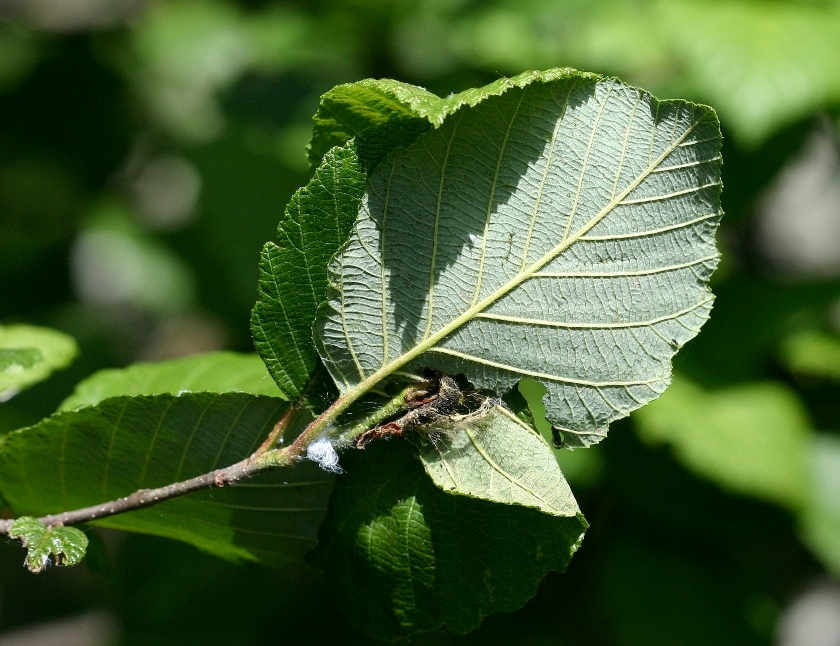
This hazel thicket in a mixed species (aspen, birch, spruce, fir) forest is habitat for Carynota marmorata.

Discovering Otiocerus francilloni: A Rare Planthopper

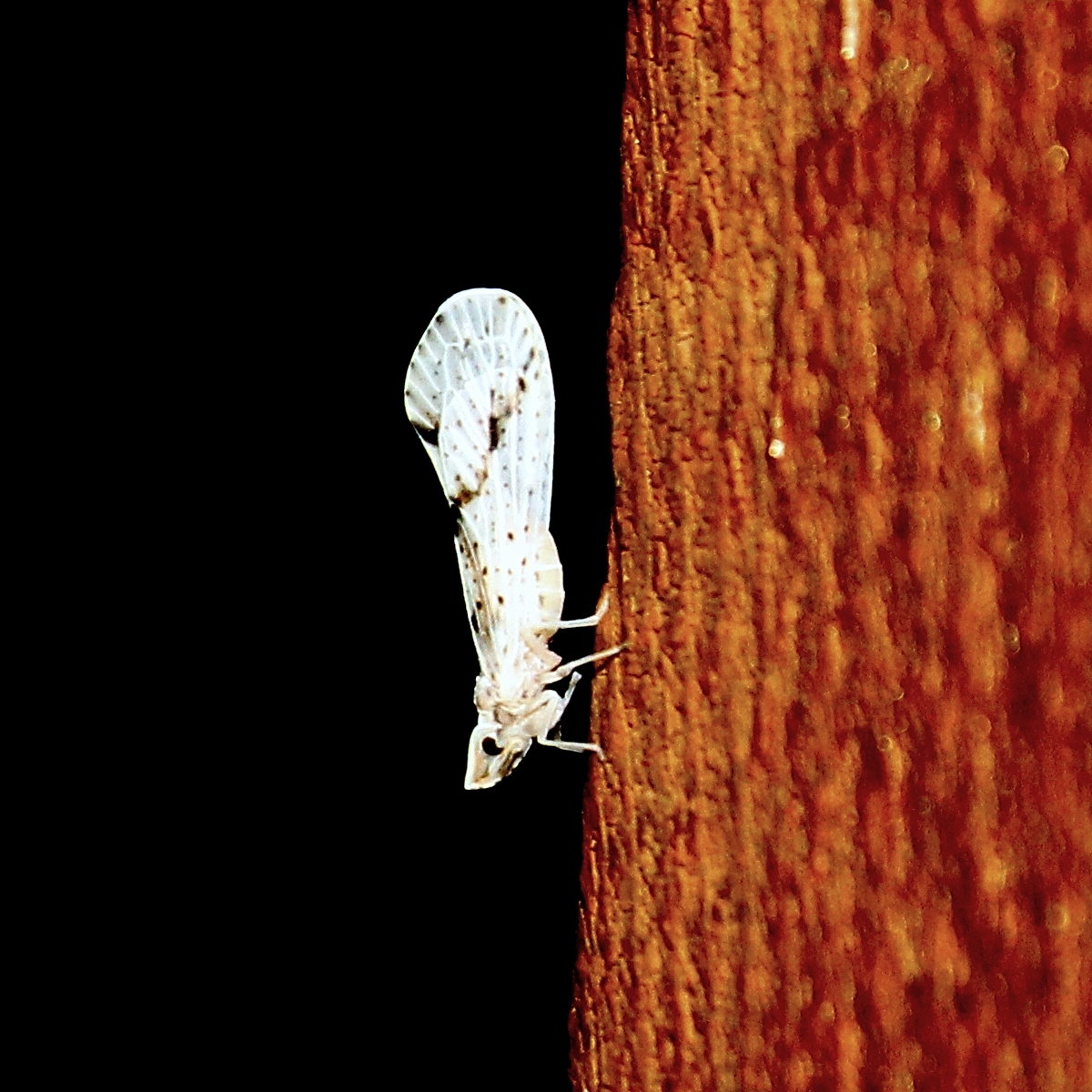
Otiocerus francilloni seen on August 18, 2018.

This pale insect is Otiocerus francilloni, a planthopper in the family Derbidae, also known as “derbids”. I have only seen it once, and that was in 2018, when it landed on the corner of my house one night.

Taxonomy

  • Class Insecta (Insects)
  • Order Hemiptera (True Bugs, Cicadas, Hoppers, Aphids and Allies)
  • Suborder Auchenorrhyncha (True Hoppers)
  • Infraorder Fulgoromorpha (Planthoppers)
  • Superfamily Fulgoroidea
  • Family Derbidae (Derbid Planthoppers)
  • Subfamily Otiocerinae
  • Tribe Otiocerini
  • Genus Otiocerus
  • Species francilloni (Otiocerus francilloni)

Source: BugGuide

Unusual food choices

The immature stages of Otiocerus francilloni, and those of all derbid planthoppers, feed on fungal hyphae growing in rotting wood rather than plant sap. Adult food sources of North American Otiocerus species are not known, but they have been found in association with oak, beech, and maple. The significance of these tree associations, if any, is uncertain.

Description

The wings of Otiocerus francilloni are pale with many dark spots between the veins. There is a dark, narrow, broken band on the wings and a black smudge mark on the sides of the head. The body is pale with spots on the abdomen.

A huge northern range extension

Otiocerus francilloni is reported from the following states: Delaware, Florida, Georgia, Illinois, Mississippi, New Jersey, New York, and Ohio. Finding it in Minnesota extends the known range by about 400 miles from the next nearest location in Illinois.

It seems unlikely that this species does not occur between Illinois and where I live in northern Minnesota. I hope someone is out there looking.

The Buffalo Treehopper: Characteristics and Habitat of Stictocephala taurina

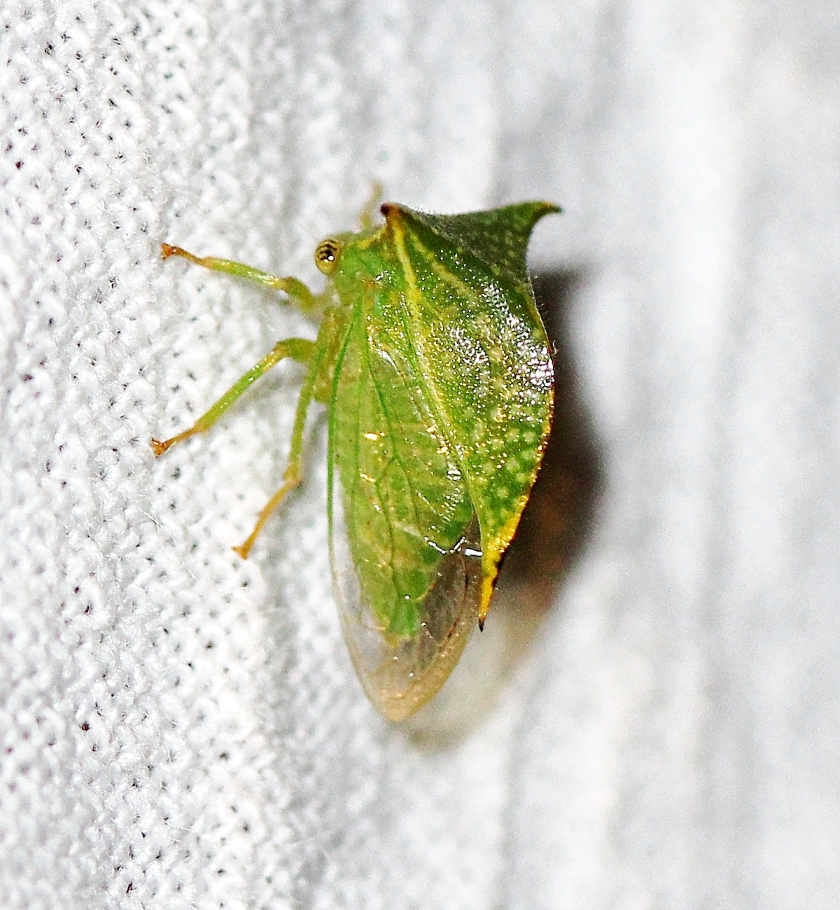
Stictocephala taurina, the buffalo treehopper, on August 28, 2021, that was attracted to my moth lights.

Stictocephala taurina (buffalo treehopper, family Membracidae, in the order Hemiptera, the true bugs) is a green colored species of treehopper notable for its prominent, sharp horns. The horns on treehoppers have functions that include mimicking the thorns of plants and electroreception. According to the article in PNAS, treehoppers and their predators produce electrical fields, and the extreme morphologies of treehoppers aid in the detection of these fields.

Description

Stictocephala taurina is a green species of treehopper, one of 17 species of Stictocephala in North America north of Mexico. It measures about 7.5 mm long. The pronotum is adorned with two prominent horns on the front, numerous pale spots, and ends in a long spine. The horns are not very large and may have a dark edge. The legs are green (reddish in the similar-looking Tortistilus abnorma) and end with yellow tarsi (feet).

Habitat and host plants

Stictocephala taurina lives in forests and forested areas. The nymphs feed on softer herbaceous vegetation, piercing the plants to get sap. Adults move to woody vegetation.

Taxonomy

  • Class: Insecta (Insects)
  • Order: Hemiptera (True Bugs, Cicadas, Hoppers, Aphids and Allies)
  • Suborder: Auchenorrhyncha (True Hoppers)
  • Infraorder: Cicadomorpha (Cicadas, Spittlebugs, Leafhoppers, and Treehoppers)
  • Superfamily: Membracoidea (Leafhoppers and Treehoppers)
  • Family: Membracidae (Typical Treehoppers)
  • Subfamily Smiliinae
  • Tribe Ceresini (Buffalo Treehoppers and allies)
  • Genus Stictocephala
  • Species taurina (Stictocephala taurina)