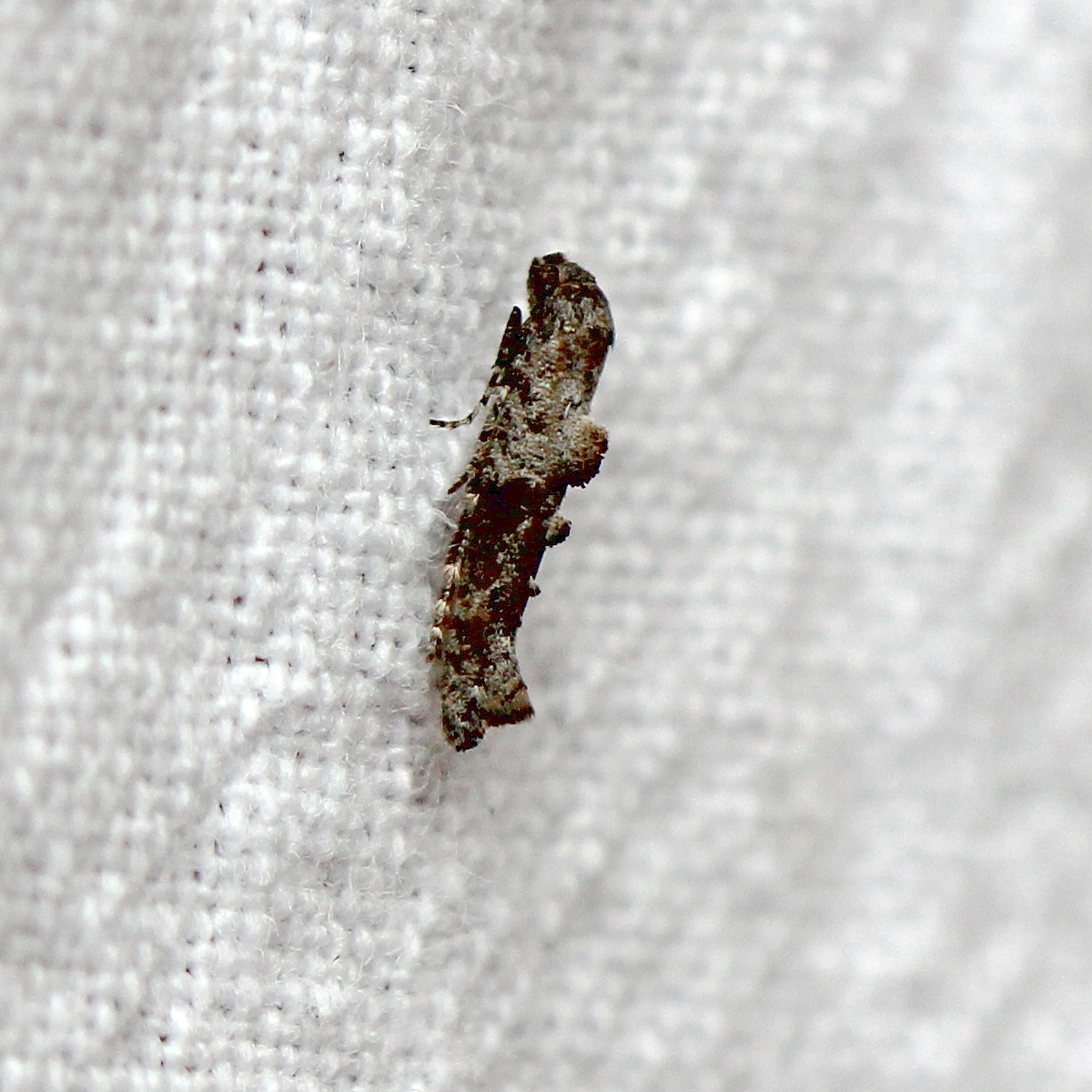
Epermenia albapunctella: The Tiny Moth You Might Overlook

Epermenia albapunctella seen on July 21, 2020.

A speck of dust?

This strange looking gray insect is a moth, and it is very tiny, with a wingspan measuring 13 mm and a body length of around 7 mm (~0.27 inches). It belongs to the genus Epermenia. It may be Epermenia albapunctella, a moth in the Superfamily Epermenioidea (Fringe-tufted Moths), family Epermeniidae.

The first time I saw the moth was in July 2020. I almost passed it by, thinking it was a speck of dust. I’m glad I focused my camera on it because it was not dust but a living moth.

I saw this species two more times after that. Once on September 09, 2018, and again on August 01, 2023.
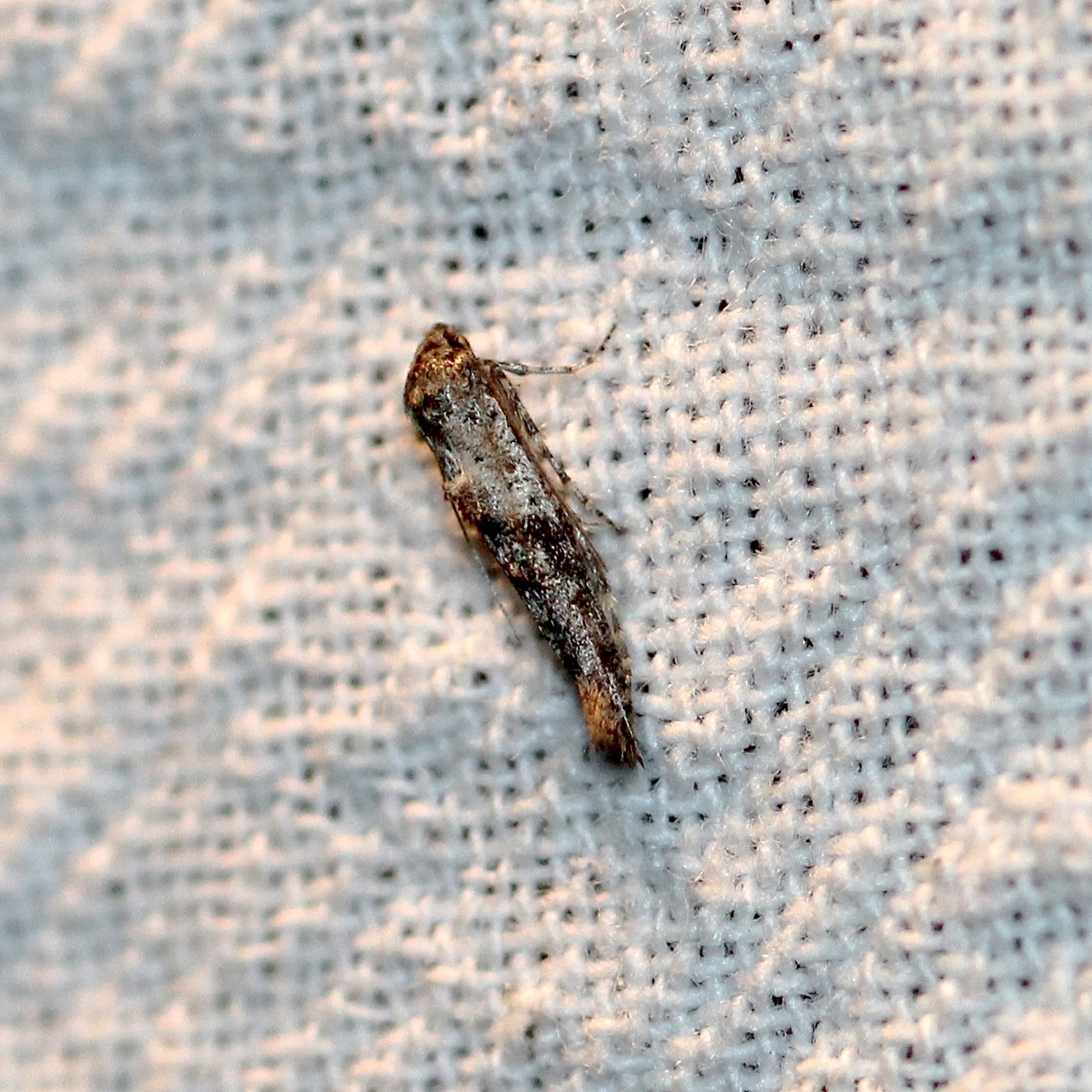
My third sighting of Epermenia albapunctella on August 01, 2023.

Species determination

While the species identity I have determined is provisional, it is a species of Epermenia. Identifying many tiny moths to species (and even some larger ones) is not always possible from a photo alone or even from visual examination of wing patterns and colors. Very often, genital dissection and DNA sampling are required. These techniques help resolve species identification where one or more related species look very much alike. They can also help to discover cryptic species.

There are numerous sightings of Epermenia albapunctella (MPG and iNaturalist), indicating it is a widespread and somewhat common species.

Epermenia larval host plants

The chief larval host plants of Epermenia are in the Apiaceae (carrot family). They feed by mining the leaves, but later feed outside the leaf in silk webs. However, I could not find information on the feeding habits for all Epermenia species.

Several wild plants in the carrot family grow locally: Cicuta spp. (poison hemlock), Heracleum maximum (cow parsnip), Sanicula spp. (snakeroot), Sium suave (water parsnip), and Osmorhiza spp. (sweet cicely). Feral plants of wild carrot (Daucus carota), parsnip (Pastinaca sativa), and caraway (Carum carvi) are found locally, too. And there are, of course, vegetable gardens with cultivated carrots. They are also Daucus carota, but tastier than the wild form, especially in carrot pie.
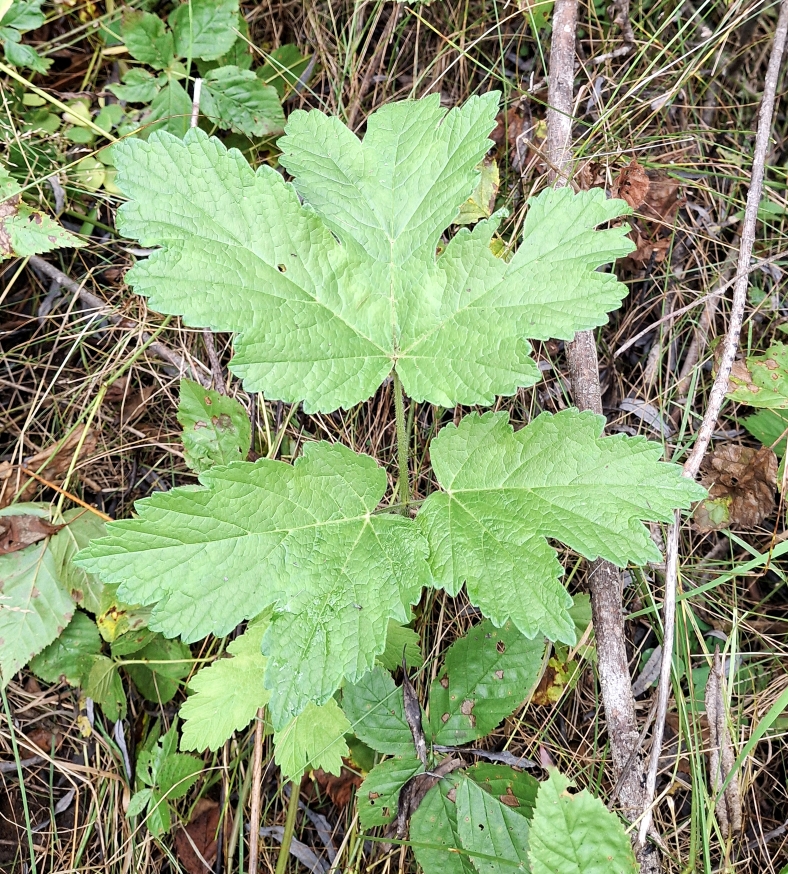
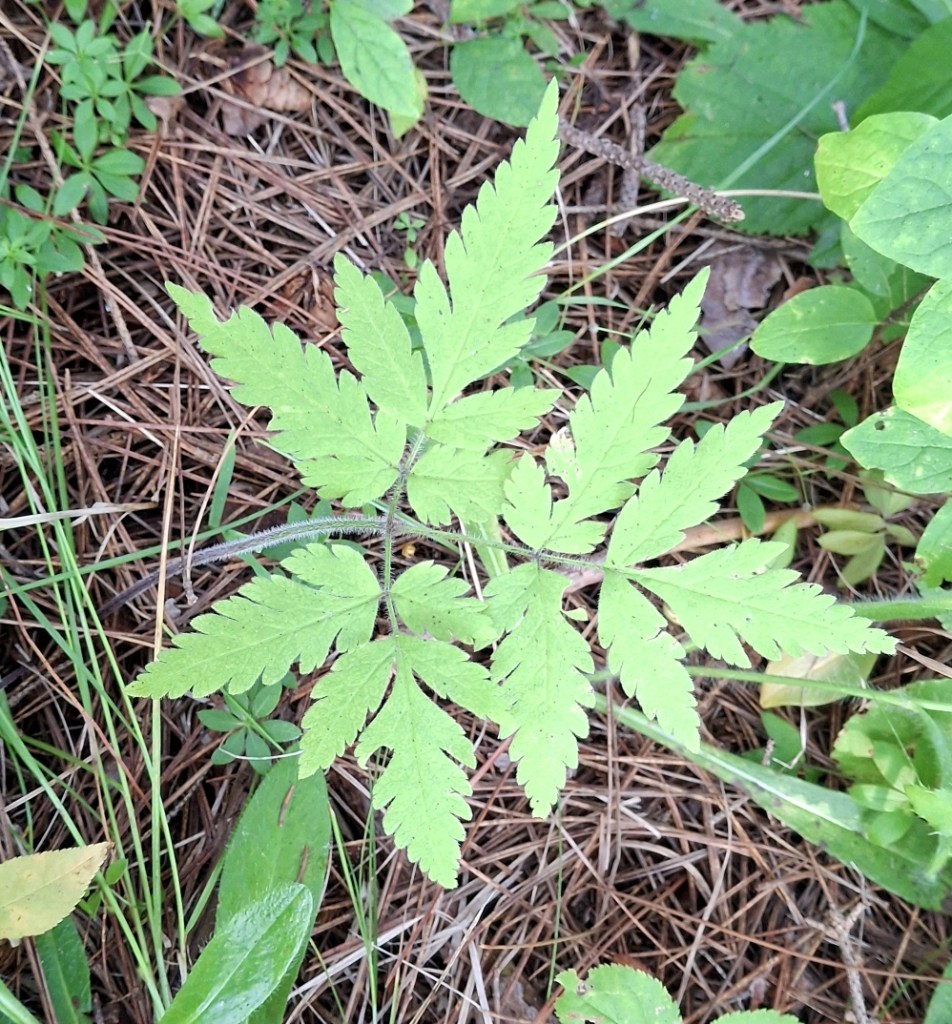
The local abundance of wildflowers in Apiaceae makes locating additional Epermenia moths and larvae more likely. Three species growing here in abundance and with the potential to host Epermenia are sweet cicely, spotted hemlock, and cow parsnip.

Future investigations

Next year, after winter has passed, I’ll be examining any plants in the Apiaceae for Epermenia larvae. I might even plant a carrot patch just for Epermenia. Why else would I plant anything if not for the insects that eat them?

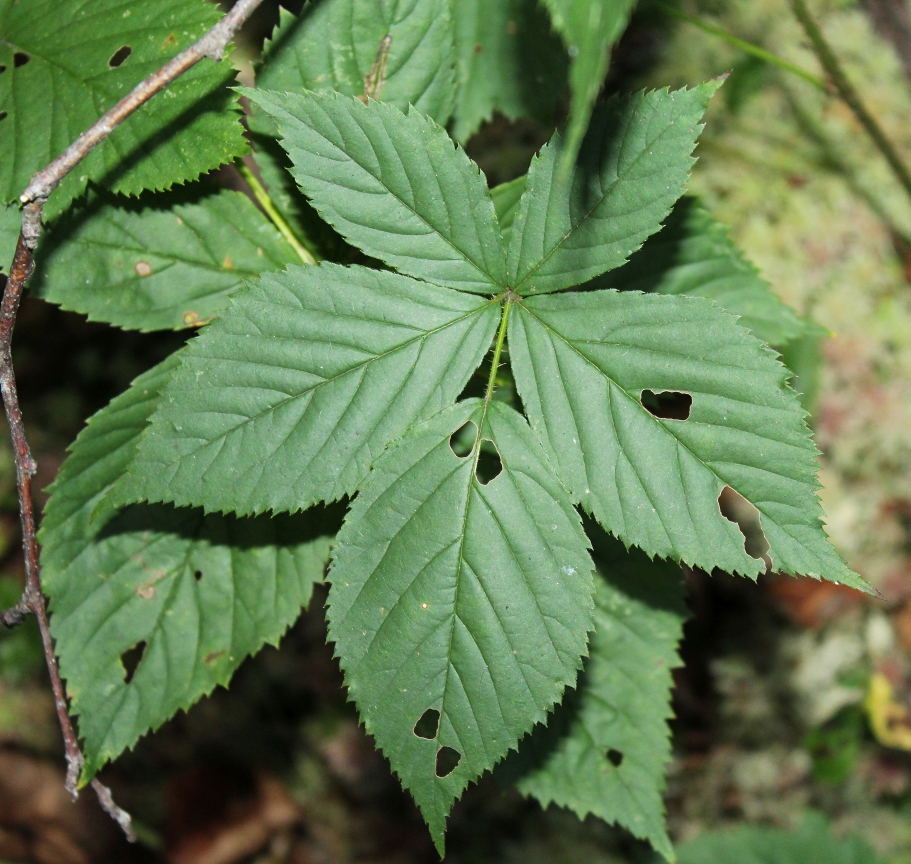
Going in circles

A Stigmella moth leaf mine in a bristly blackberry leaf.

While out one afternoon in my tamarack swamp hunting for dwarf mistletoe, the subject of a future post, I found this leaf mine in the leaf of a bristly blackberry. The blackberry is possibly Rubus flagellaris, but I’m still working out the identity of the species.

The leaf mine bears a strong resemblance to the leaf mines made by the larvae of the moth Stigmella villosella (Family Nepticulidae). Stigmella villosella is a specialist on Rubus species. The adult moths are minute with a wingspan of only 3 mm.

I doubt I’ll see this moth at my lights, but maybe next year, if I find an active leaf mine, I could raise the larva to maturity. I’m going to give it try anyway.

Another Rubus leaf, but without leaf mines, just a few holes all near the midvein made by some unknown insect.

Discovering the Yellow-Spotted Tussock Moth Caterpillar

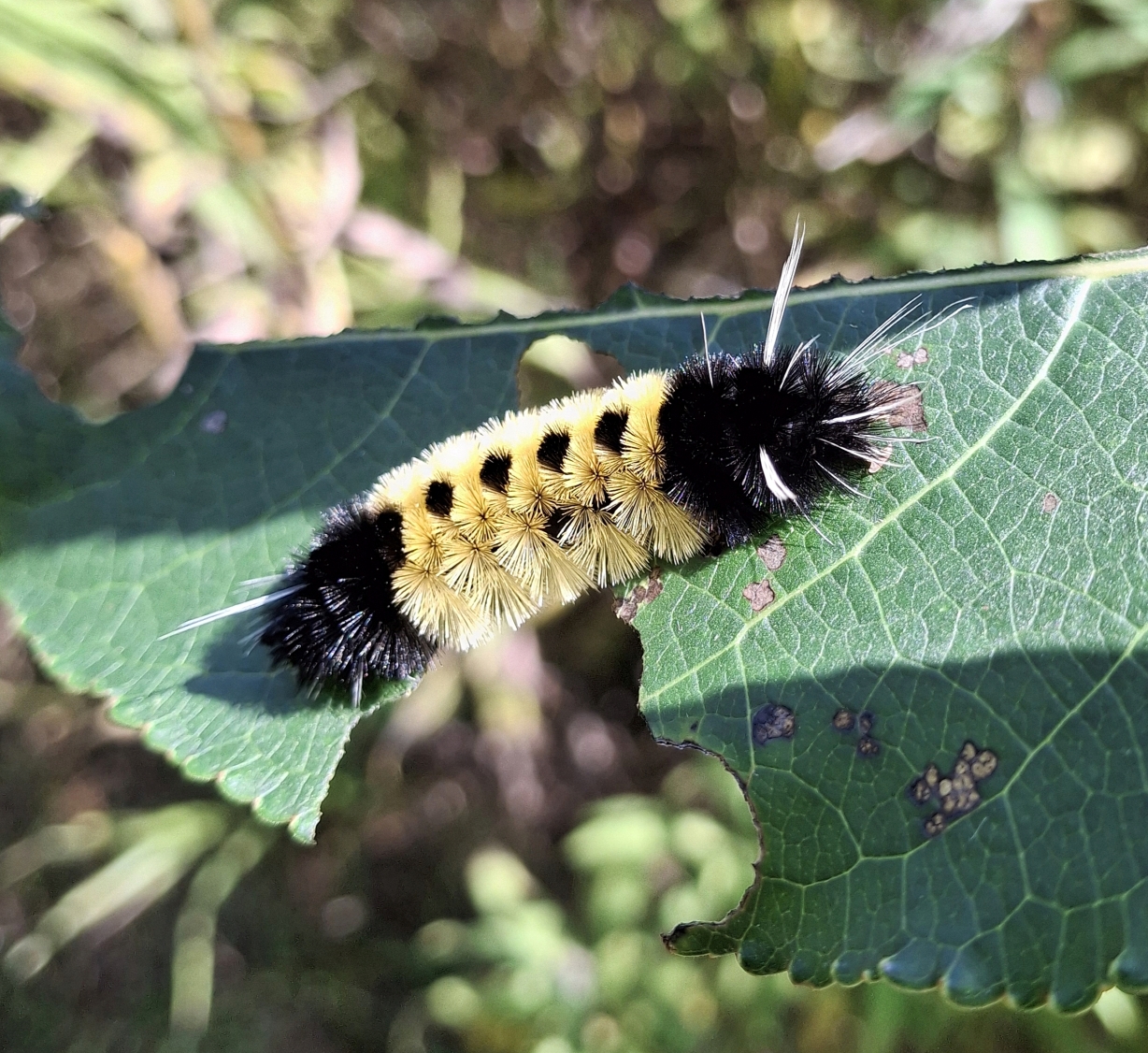
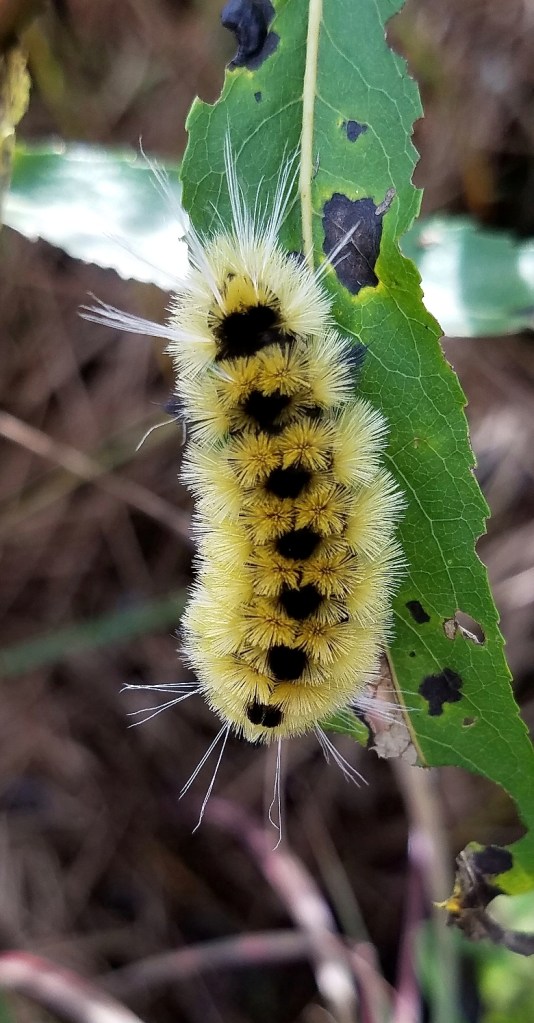
A Lophocampa maculata caterpillar that has been feeding on a balsam poplar leaf on a sunny afternoon in September.

When fall is coming, many fuzzy caterpillars start to show up in the grass and on low trees. A familiar one is the woolly bear caterpillar, which is alleged to foretell the severity of the coming winter. Longer black bands are said to mean a colder winter, while longer orange bands mean a milder winter.

The yellow-spotted tussock moth (Lophocampa maculata) is another fuzzy caterpillar often seen in the fall. It is also a relative of the woolly bear in the Family Erebidae, Subfamily Arctiinae (tiger moths and lichen moths). No word on its meteorological abilities.

Caterpillar decription

The younger Lophocampa maculata caterpillars are orange and without the black ends. When fully grown, it develops a yellow to orange central band, capped by shorter back bands at each end. Some will also have black dots in the yellow band. All the hairs of this fuzzy caterpillar are in clusters called fascicles. The shorter ones that cover most of the body remind me of splayed paint brushes. Tufts of stiff white hairs (“lashes”) poke out from the shorter, denser body hairs of the head and posterior black bands.

Caterpillar variations

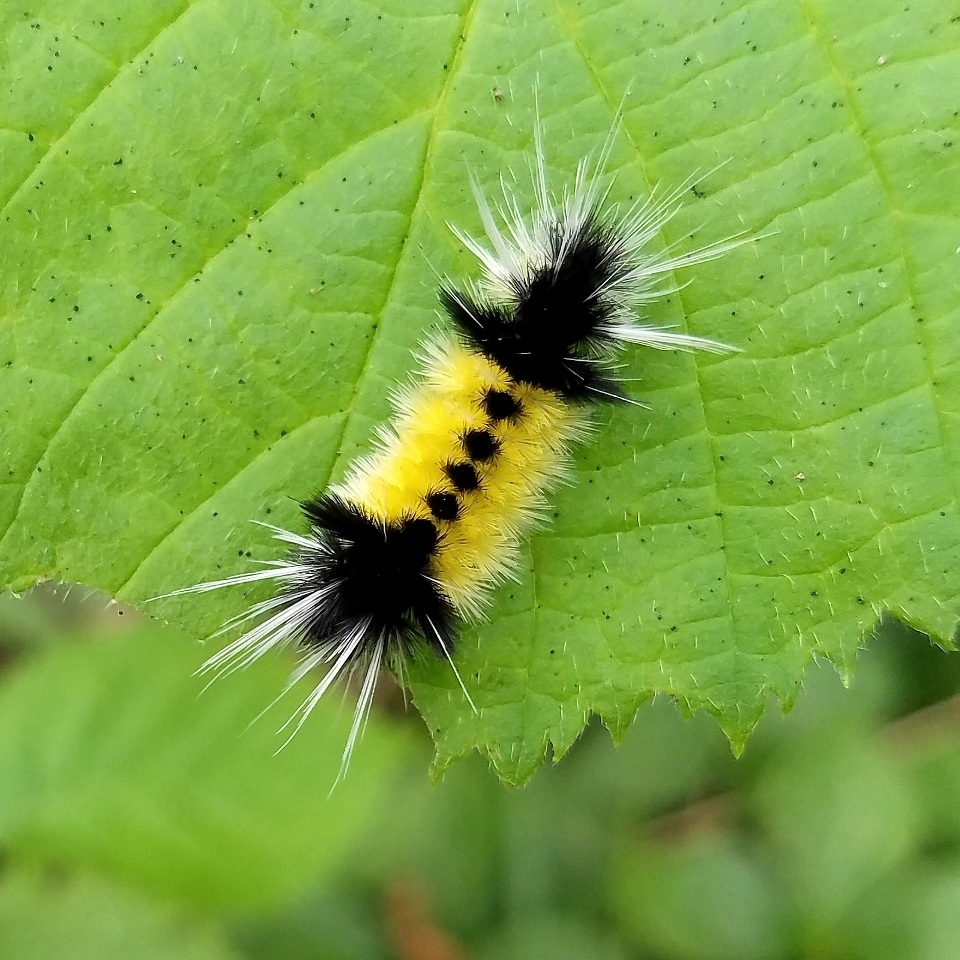
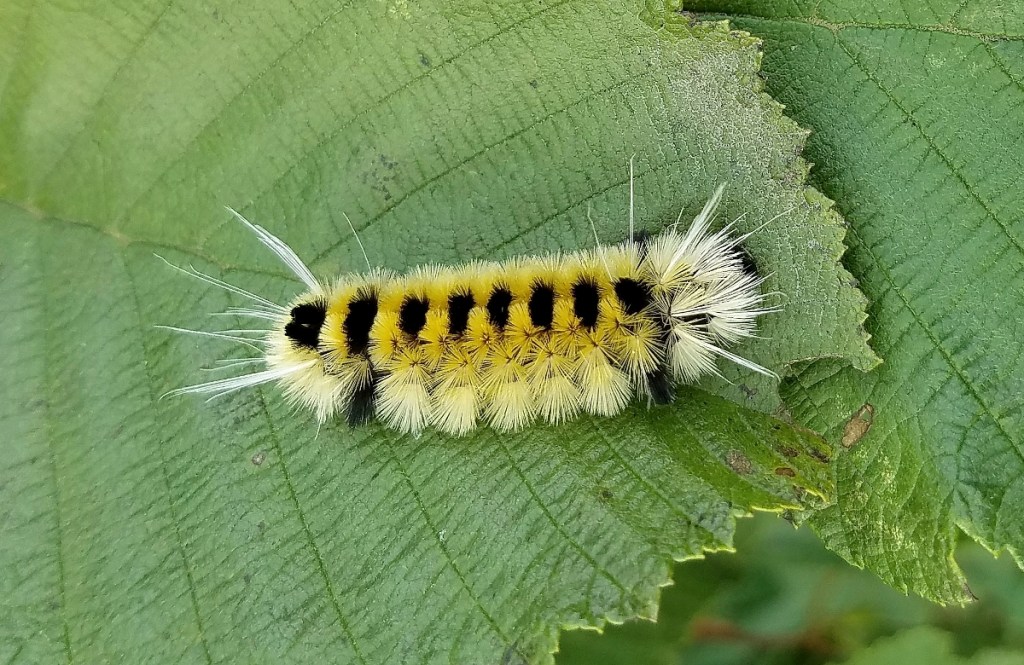
Below are some variations of the caterpillar’s coloring on larvae I found just a few miles away from my home. All have spots down the back, and two do not have black anteriors or posteriors. The one on the left is feeding on beaked hazel, the middle one is on tag alder, and the one on the right is feeding on shining willow.

Adult moth description

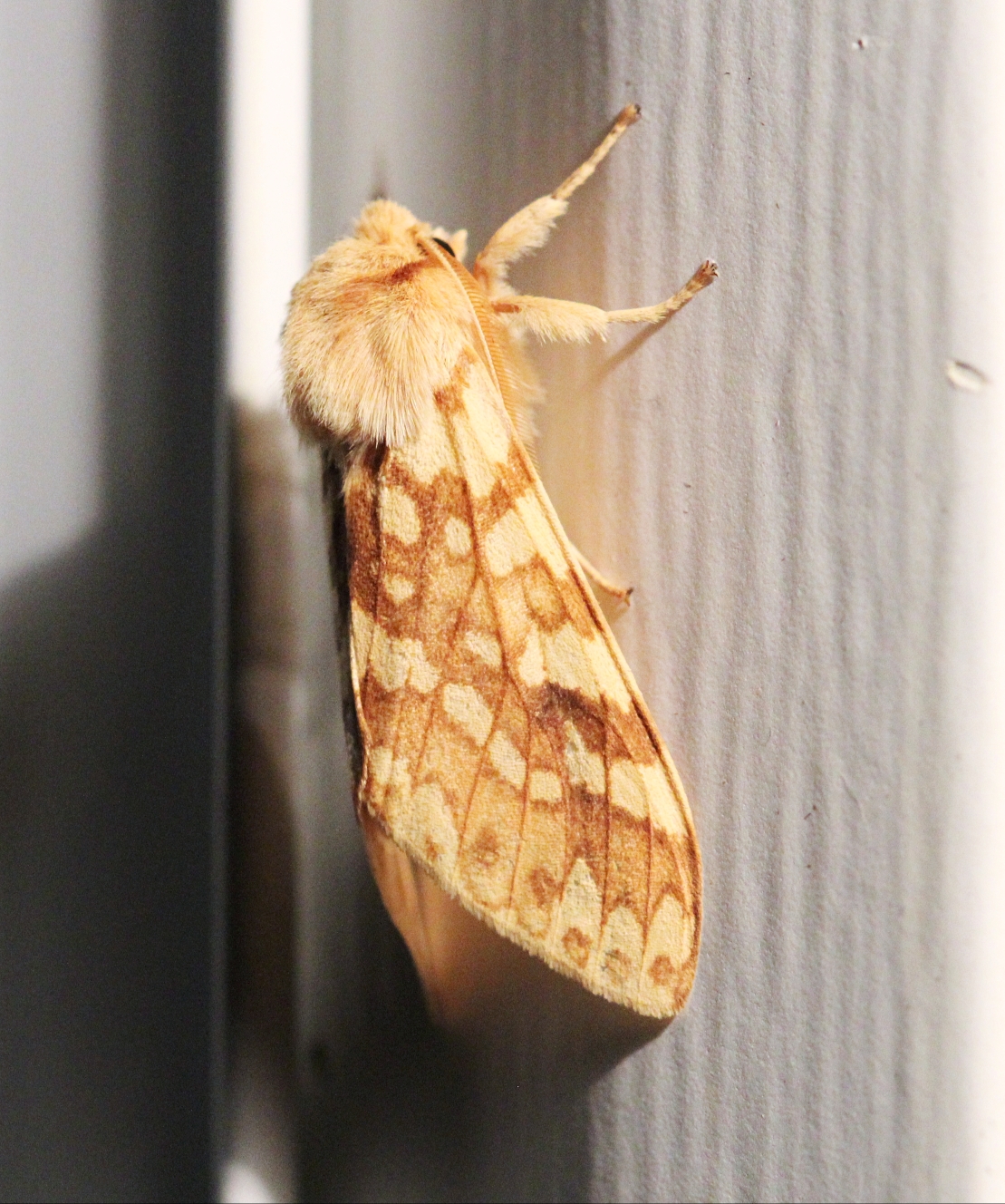
Adult Lophocampa maculata moths are distinguished by a contrasting pattern of alternating bands of warm, muted golden-orange and darker brown markings with a reddish-orange tinge

Life cycle

After hatching from eggs laid in summer, the Lophocampa maculata caterpillar feeds and grows. Preferred food plants are deciduous tree leaves such as aspen, willow, birch, oak, maple, and apple.

When cold weather seems inevitable, the caterpillar goes into pupation to wait out the winter. The pupa is enclosed in a silken cocoon attached to plant leaves. In my area, between late June and early July, the moths will hatch from their cocoons to fly in search of a mate, beginning the process again.

Adult Lophocampa maculata moth
This yellow-spotted tussock moth (Lophocampa maculata) came to my light this summer on June 29th.

Similar species

Lophocampa caryae adults are similar to Lophocampa maculata, but the forewing is yellow with brown shading and lacks the yellow band on the terminal ends of the forewing. Their larvae are white with black markings and long hairs. It is found mainly in the northeast. Like Lophocampa maculata, the larvae are polyphagous and feed on leaves of hickory, ash, oak, maple, elm, and other woody plants and vines.

A caterpillar with a taste for basil

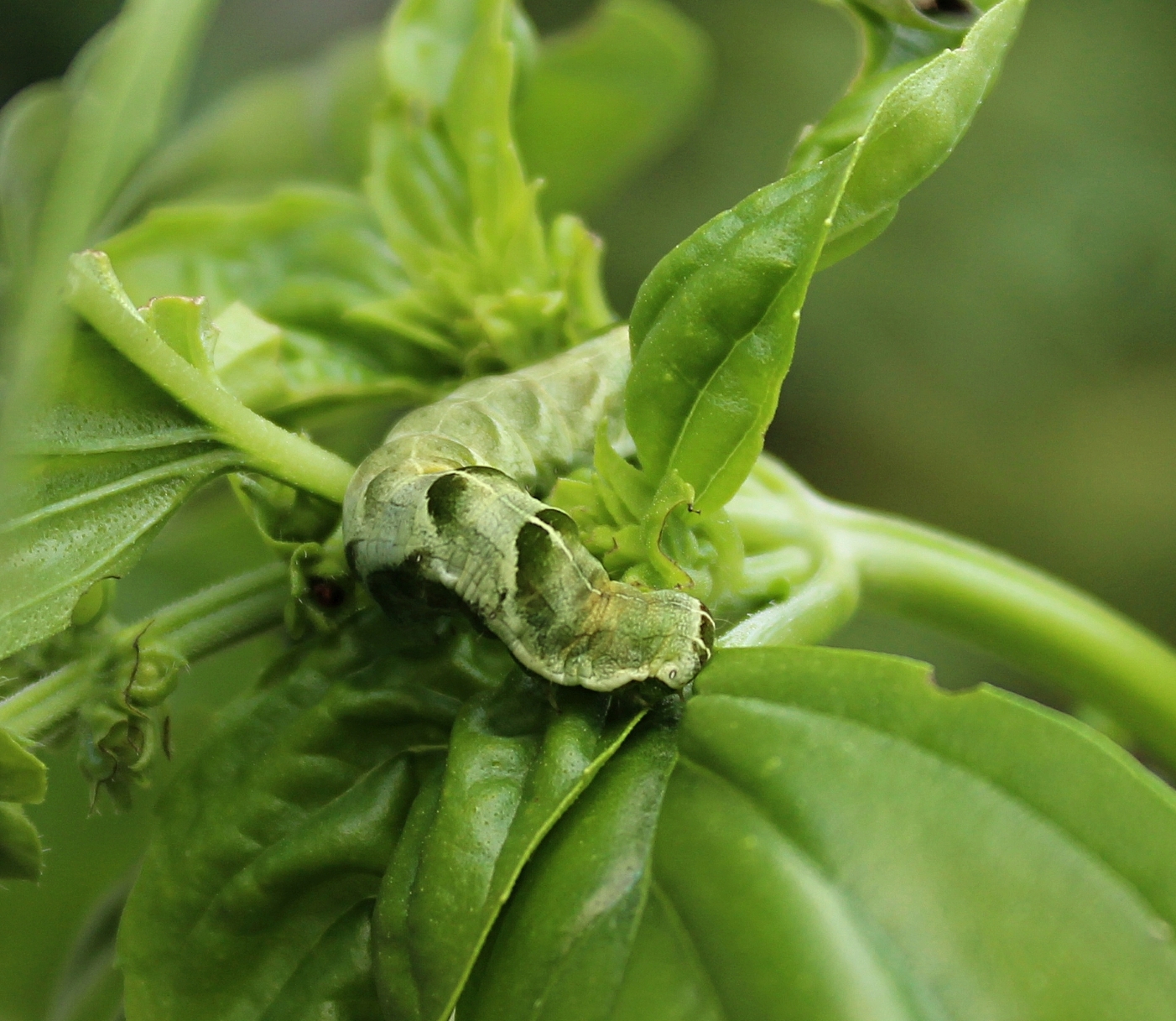
Melanchra adjuncta

I have two pots of basil on my porch for fresh basil leaves. Everything was going well with big plants with big leaves full of flavor and fragrance. One afternoon, I went to get a few large basil leaves. I was going to make an omelet with Gruyère cheese, onions, crushed garlic, cherry tomatoes, peppers, potatoes, and mushrooms. And fresh basil.

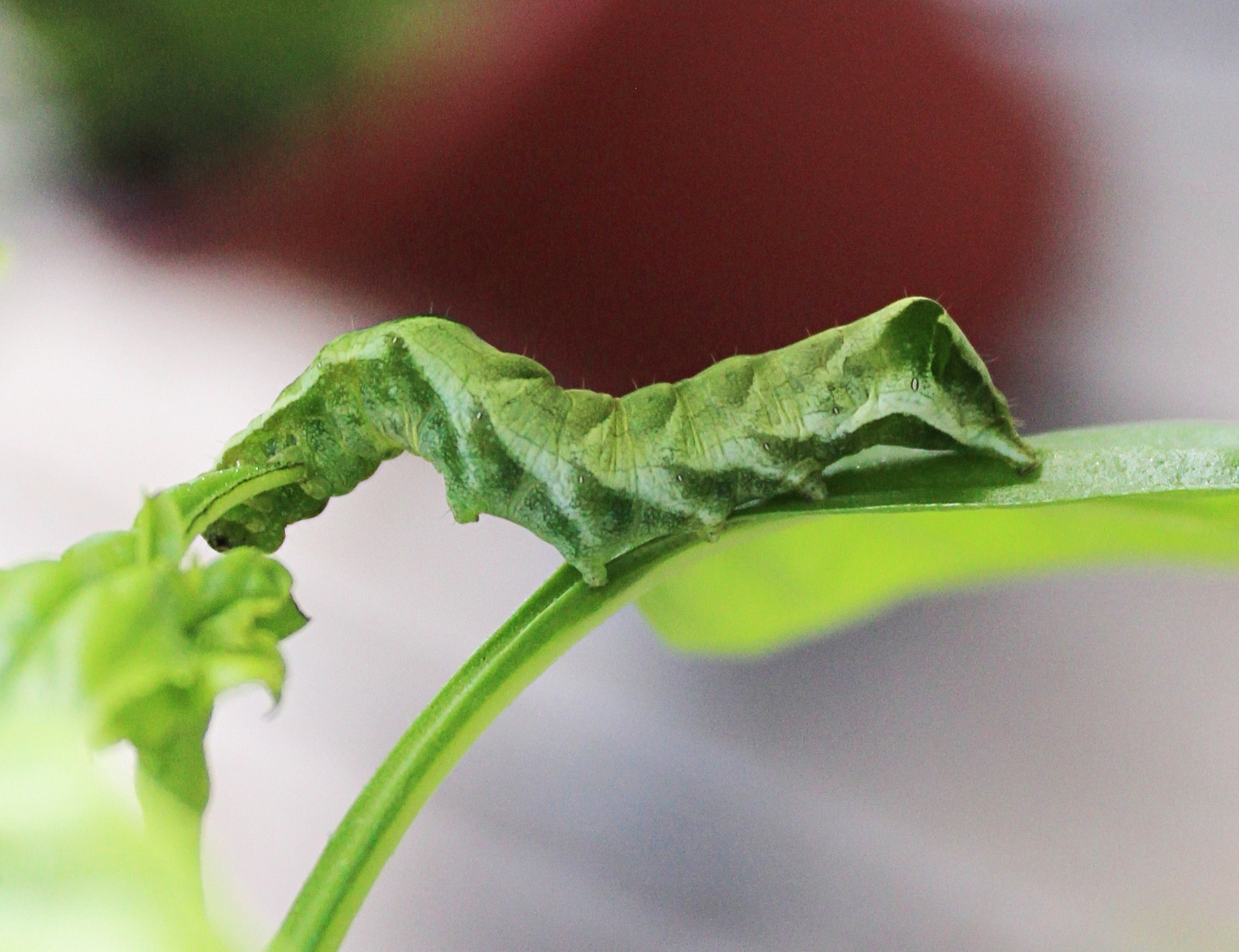
When I looked into one of the pots, there on the largest plant was this strikingly patterned green caterpillar. I’d never seen anything like it before. It reminded me of a sphinx moth caterpillar. But there was no horn or even a bump on the last segment. The head seemed to have the wrong shape, too. Maybe it was a cutworm caterpillar (Noctuidae: Noctuinae), not a sphinx (Sphingidae)?

Melanchra adjuncta

A search of Noctuidae in Caterpillars of Eastern North America (David L. Wagner, © 2005) didn’t yield anything similar. My next step was to go through photos at BugGuide of caterpillars in the Subfamily Noctuinae, focusing on the tribes Orthosiini, Tholerini, Hadenini, and Leucaniini. I chose these tribes because species in them are frequent visitors to my moth light, so it seemed worth a shot.

After many pages at BugGuide, I was at the genus Melanchra. The first species to show up was Melanchra adjuncta (hitched arches), and my caterpillar looked just like it. To be sure, I continued on a little more but found nothing similar.

Basil isn’t the only plant Melanchra adjuncta eats. Their palate is open to a wide variety of herbaceous plants and even leaves of some woody plants. After eating for a few hours, the caterpillar left, perhaps to enjoy other plants on my porch.