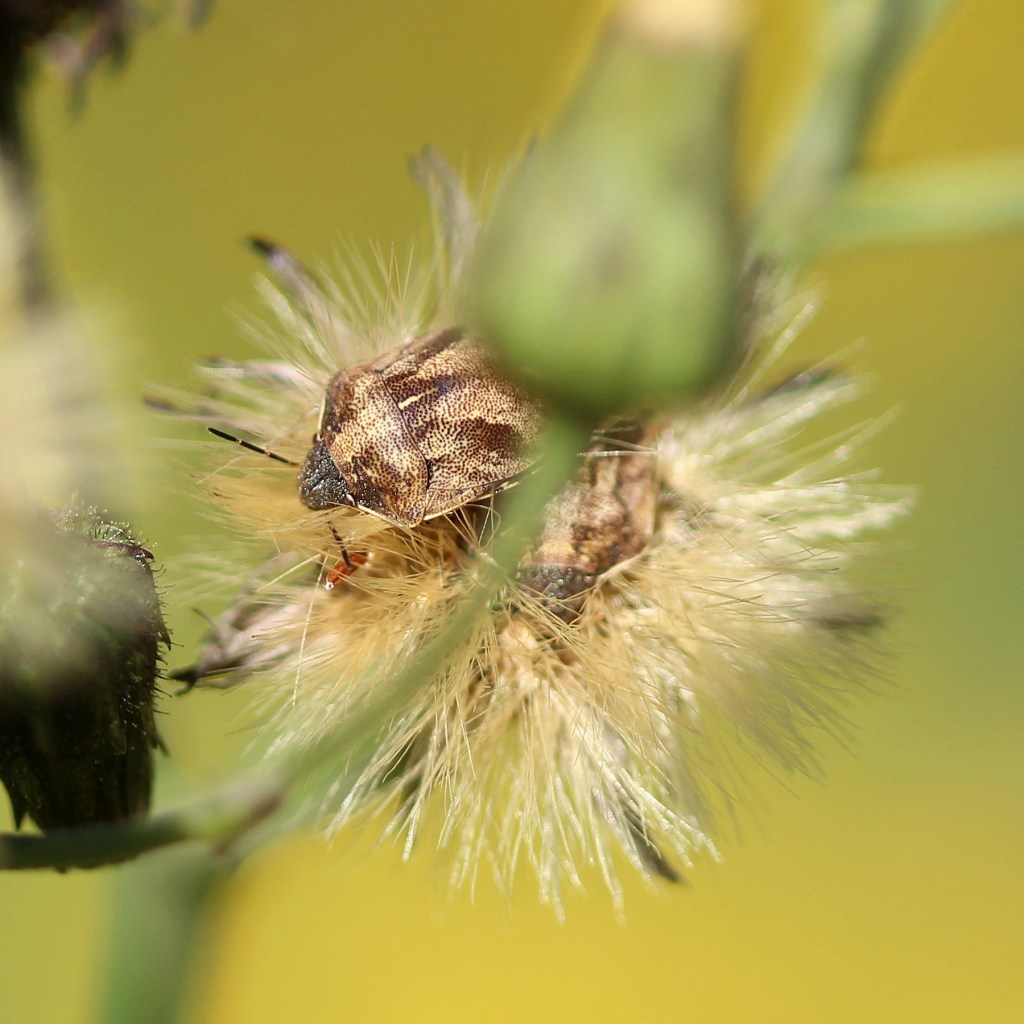
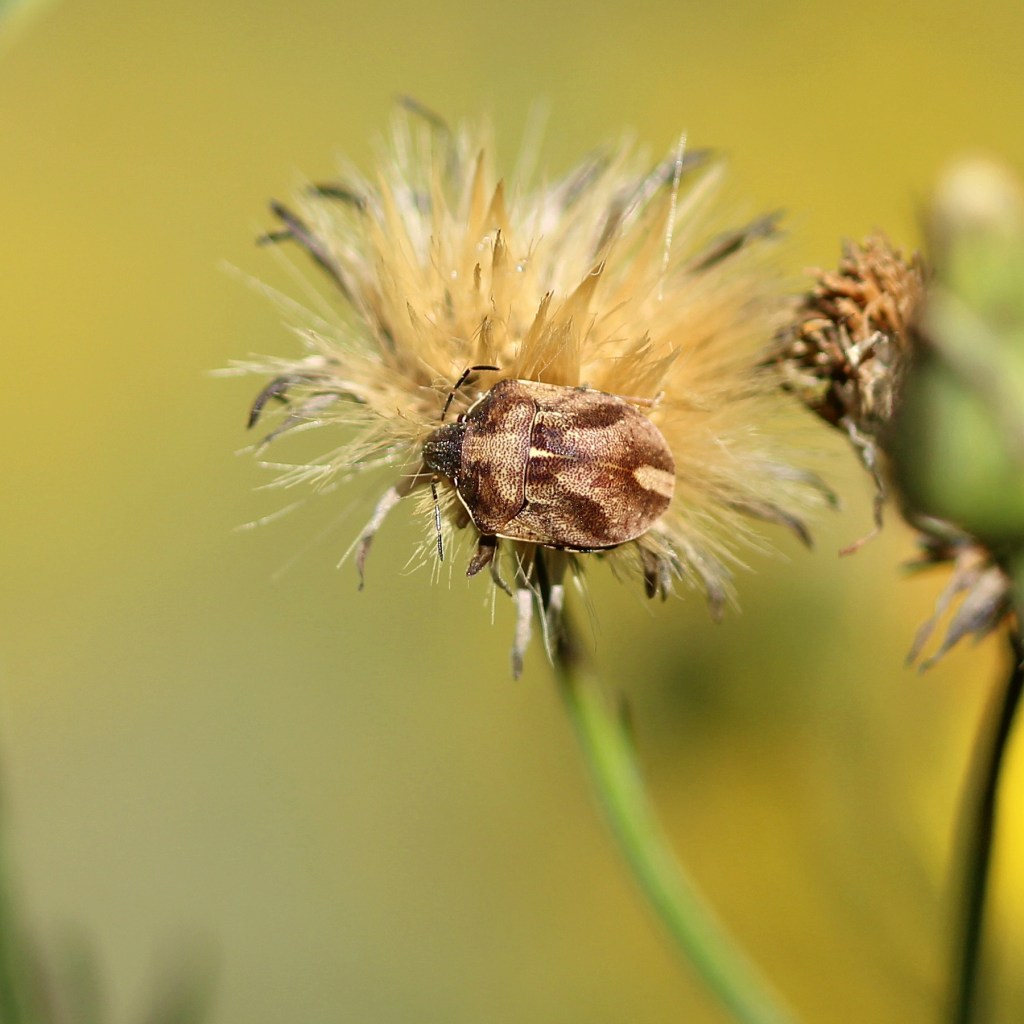
Homaemus aeneifrons – Bronze-Headed Shield Bug

Early Sunday morning I saw a group of bronze-headed shield bugs (Homaemus aeneifrons) sunning themselves on the seed heads of Canadian hawkweed (Hieracium umbellatum). The previous night had been very cool with temperatures dipping to 40 degrees F and this cluster of seed heads facing due east into the sun was a perfect place to warm up. In all, there were six bugs catching the early morning sun.

Homaemus aeneifron is widespread in North America occurring as far south as Kansas and Arizona and as far west as Alaska, British Columbia, and California. It is frequently found in moist meadows and weedy areas. Some reports state that it feeds on grasses and sedges (Carex) and rushes (Juncus) but one has it feeding on Monarda fistulosa (wild bergamot) and Oenothera biennis (evening primrose). These on hawkweed did not appear to be feeding. Beyond catching some rays it was hard to say why they were all there.
CLASSIFICATION
Kingdom: Animalia (Animals)
Phylum: Arthropoda (Arthropods)
Subphylum: Hexapoda (Hexapods)
Class: Insecta (Insects)
Order: Hemiptera (True Bugs, Cicadas, Hoppers, Aphids and Allies)
Suborder: Heteroptera (True Bugs)
Infraorder: Pentatomomorpha
Superfamily: Pentatomoidea
Family: Scutelleridae (Shield-backed Bugs)
Subfamily: Pachycorinae
Genus: Homaemus
Species: aeneifrons (Homaemus aeneifrons)

SOURCES

Bug Guide

Williams, Andrew H. 2004. “Feeding Records of True Bugs (Hemiptera: Heteroptera) From Wisconsin,” The Great Lakes Entomologist, vol 37 (1)

Thomas, Donald B.; Werner, Floyd G. 1981. Grass Feeding Insects of the Western Ranges: An Annotated Checklist. Technical Bulletin (University of Arizona, Agricultural Experiment Station) No. 243

A tremendous increase

Digrammia mellistrigata
One of the latest additions to the checklist is Digrammia mellistrigata (yellow-lined angle) a moth in the Geometridae (inchworms).

Since I last posted on the moth species diversity (a very long time ago) the list has gone from 270 to 761 species and will very likely continue to grow until winter puts a stop to insect activity outdoors. Some species were to be expected as they are common and widespread but there have been nights and a few days with interesting surprises. Eventually, the number of new additions will level off and then fall as the actual number of species is approached. But for the next year or two, about 50 new species will probably be added each season. Just in 2022 I’ve added 50 more species with July being the best month with 21 species. I’m not going to go through the whole list of new additions but below is a small sample of my favorites from the last few years. In some future posts I’ll be covering some unusual species occurrences while others will cover groups such as new Geometridae or new Crambidae I have found.

2018

Cucullia convexipennis larva
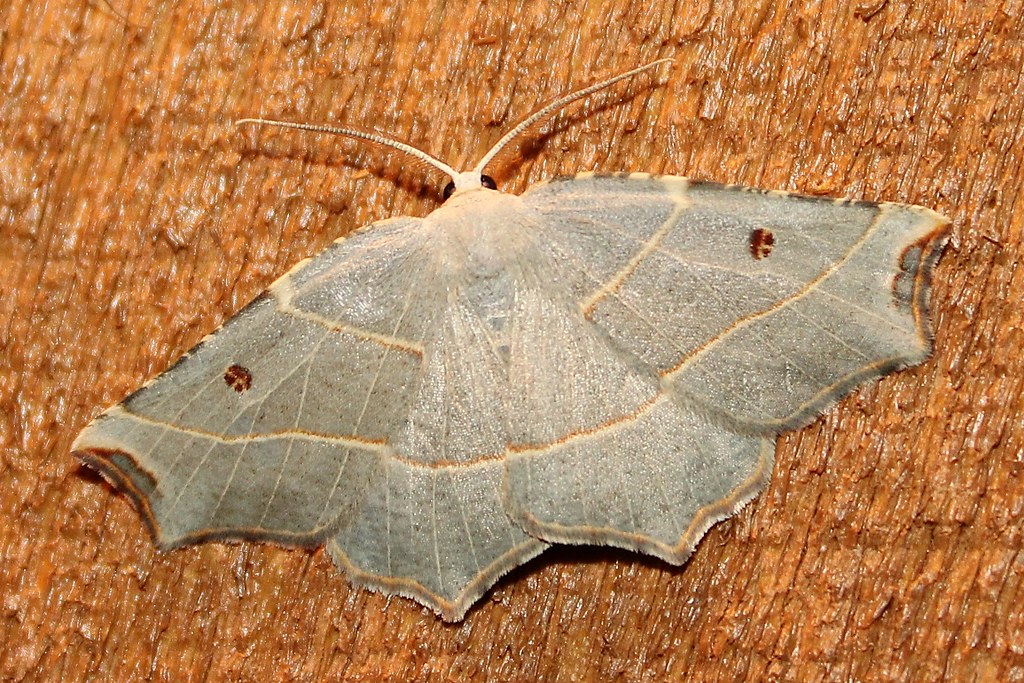
Metanema inatomaria

2019

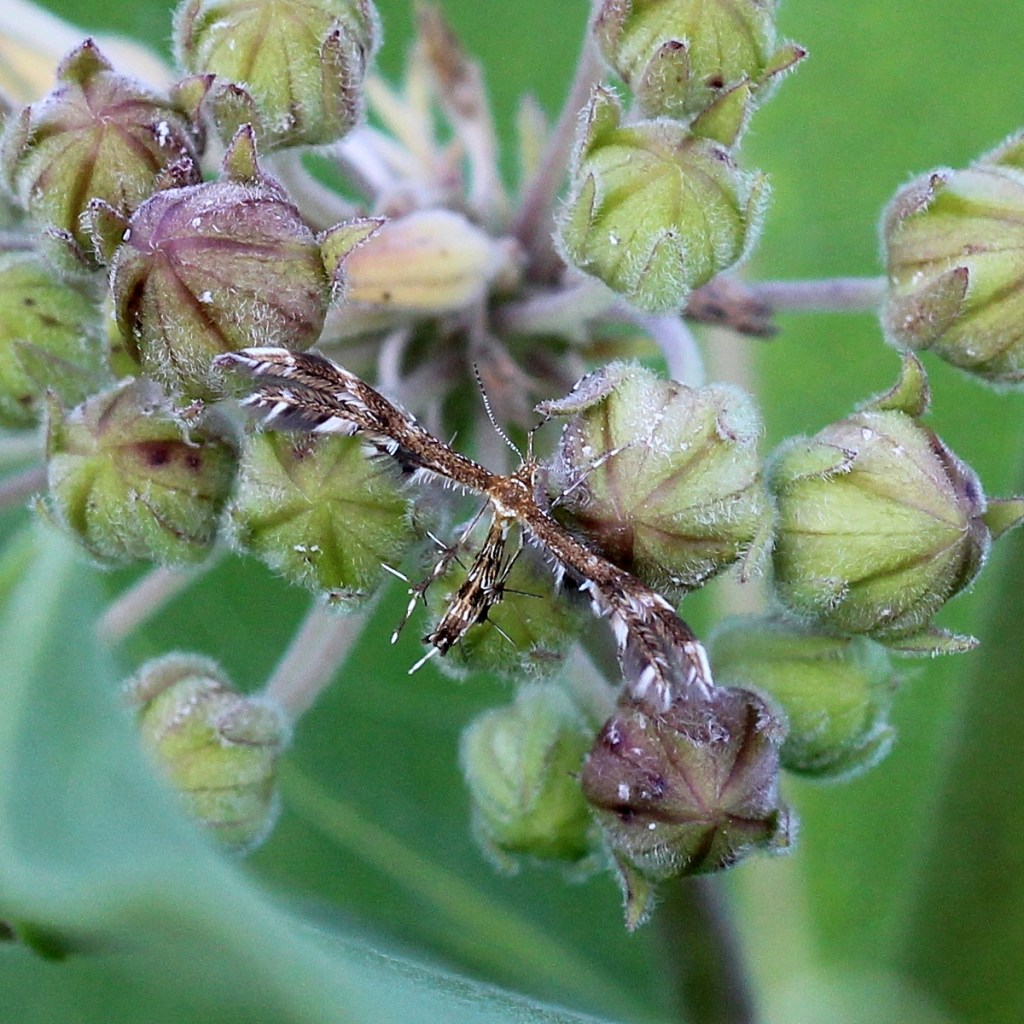
Dejongia lobidactylus
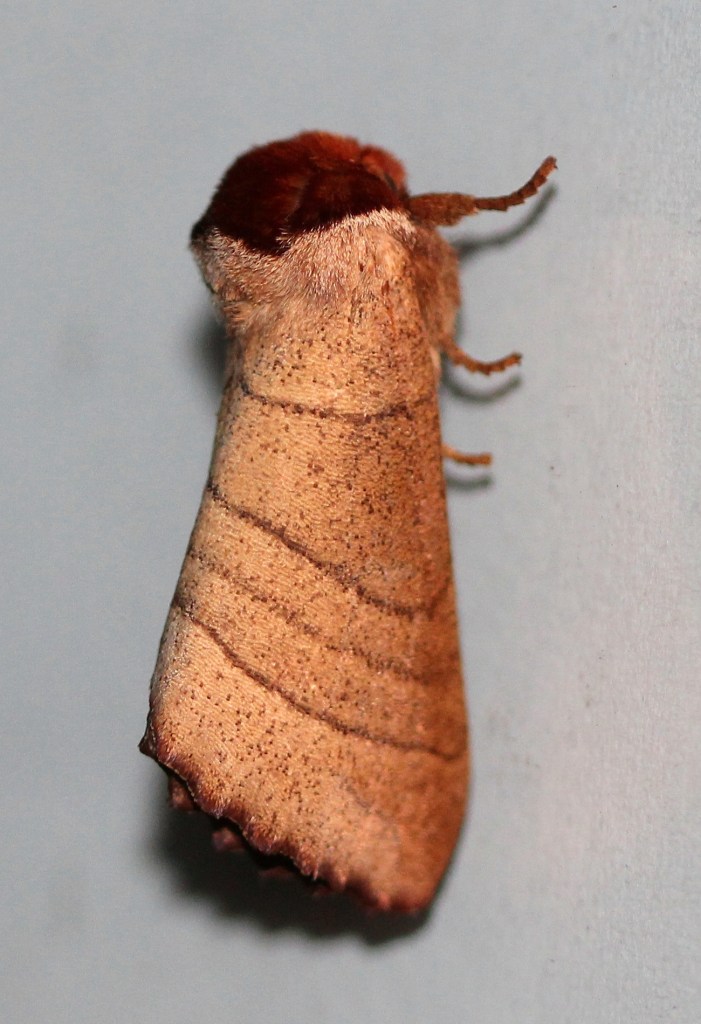
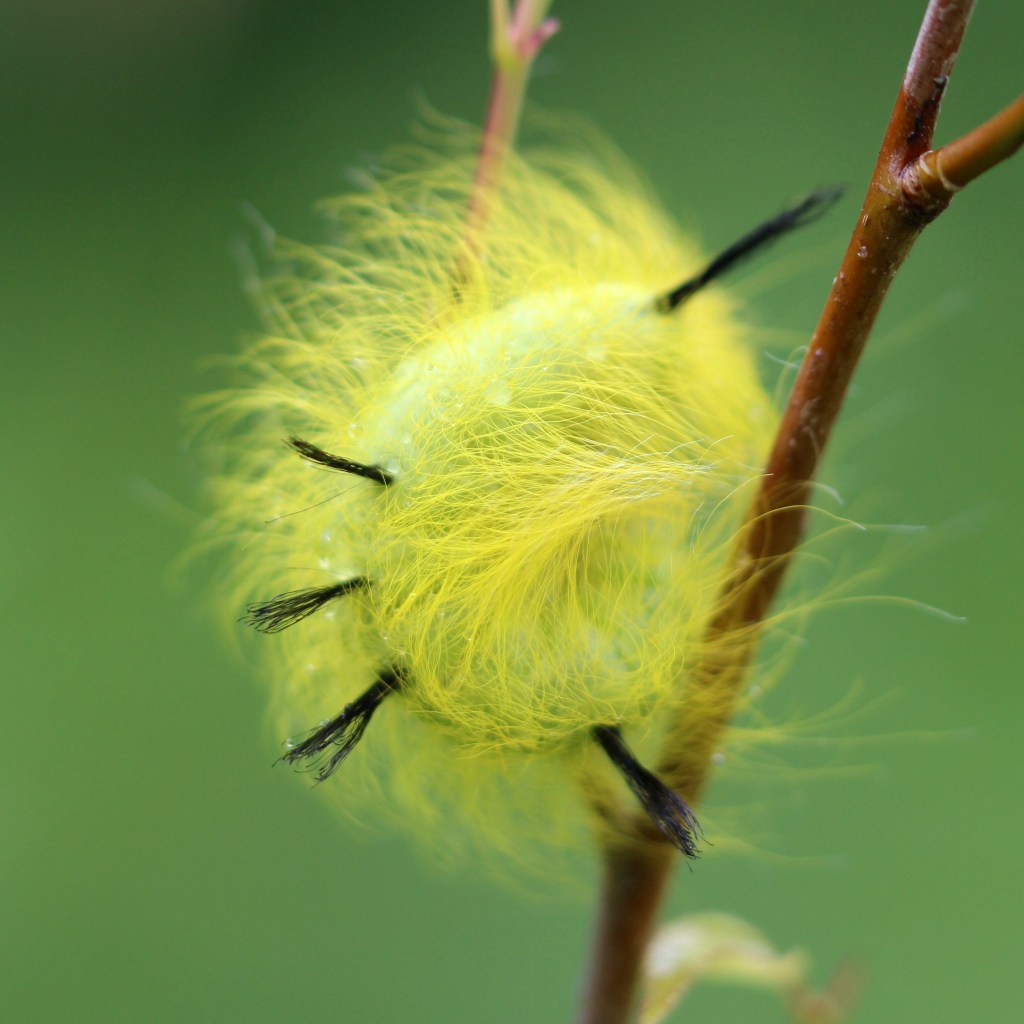
Datana ministra

2020

Epermenia albapunctella
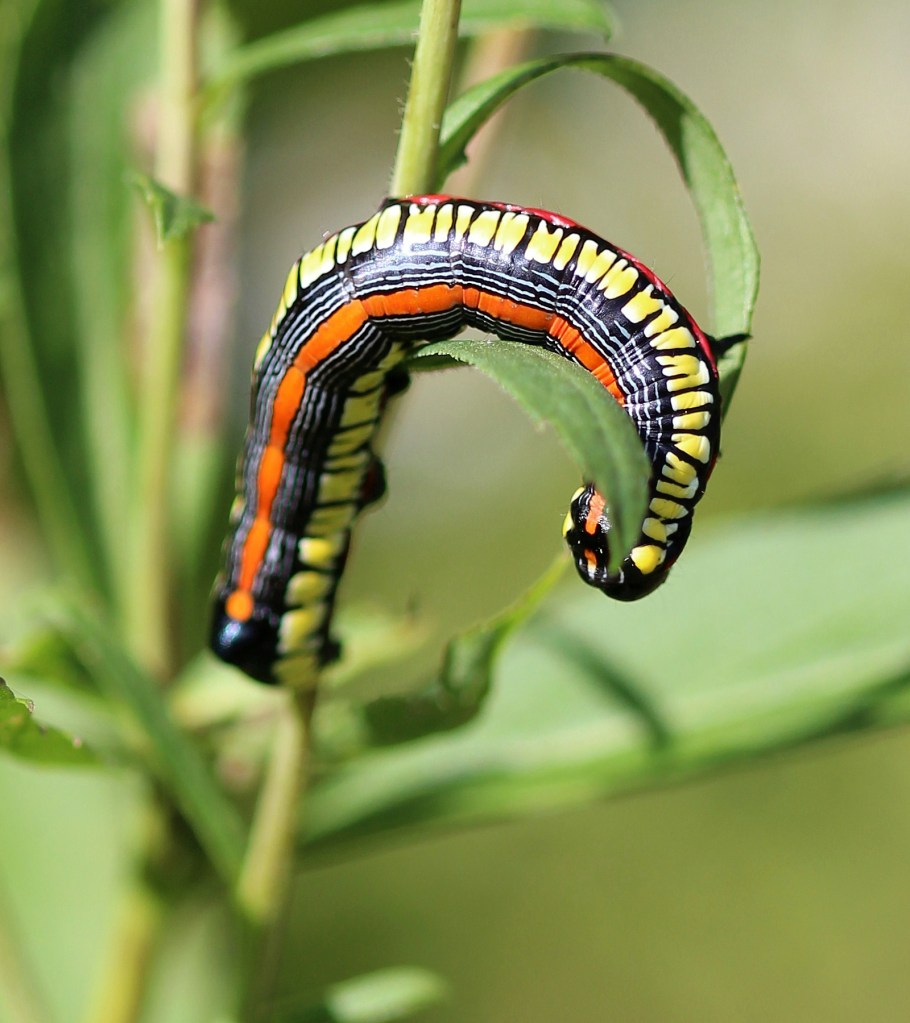
Acronicta lepusculina larva

2021

Schinia septentrionalis larva
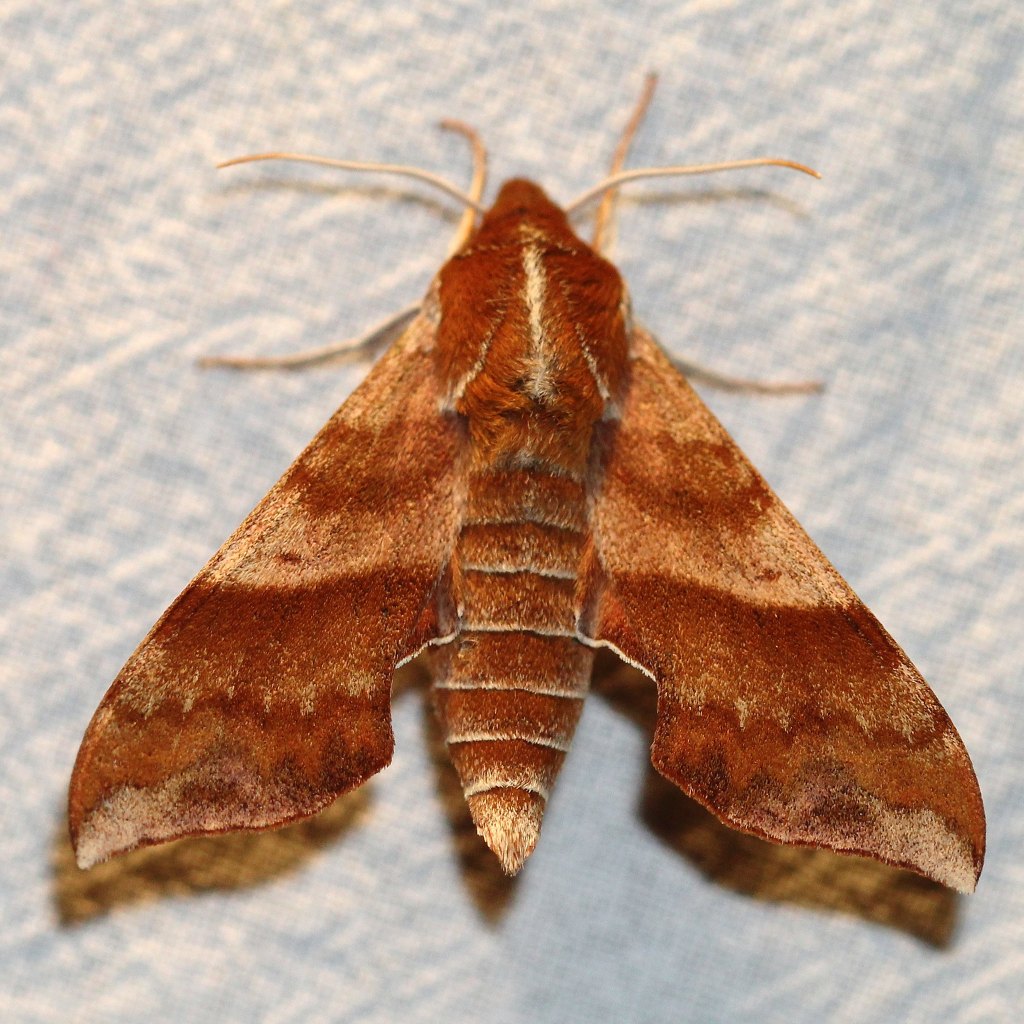
Darapsa choerilus ( Azalea Sphinx Moth)

2022

Elophila ekthlipsis
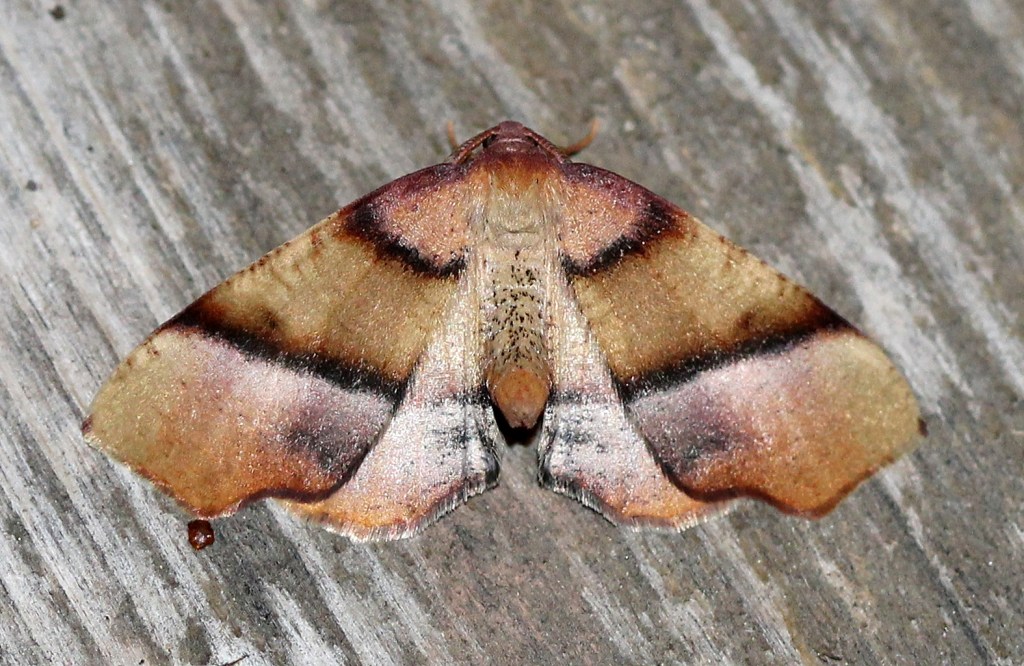
Plagodis phlogosaria

I think it’s about time to revive this blog

Well, I’ve been away for quite some time now. A lot has been happening here where I live and my life has gone through some changes. The biggest change is that I have officially retired. This happened right around the time of the COVID lockdown. Great timing, right?

This past July I finally got to take that vacation I was going to do in 2020 car camping and hiking in the Superior National Forest. That is one of the places where I used to work but this time the pace was relaxed and it didn’t matter if everything on the agenda was completed or not.

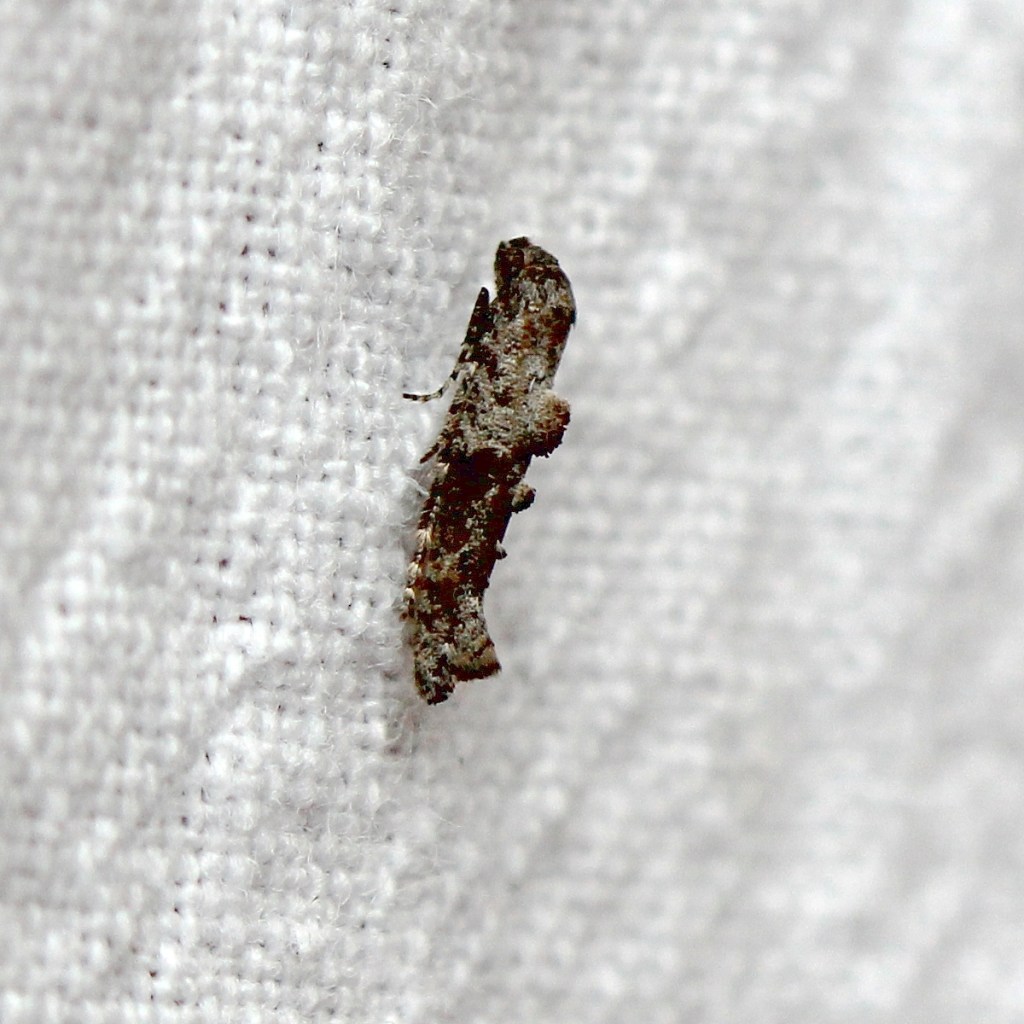
A micro-moth I found on the Superior Hiking trail in Lake County, Minnesota. It might be Landryia impositella or maybe a species of Scythris. Whatever species it is this moth is nectaring on big leaf aster in a sugar maple/paper birch forest.

I’ve also been doing a lot of exploring where I live and have found many more species of moths, one of my latest obsessions, as well as lichens, fungi, plants, and other living things. Back when I stopped posting the moth checklist was at about 470 species. Now, it is at 763 species and will probably go even higher before the winter weather arrives in late October.

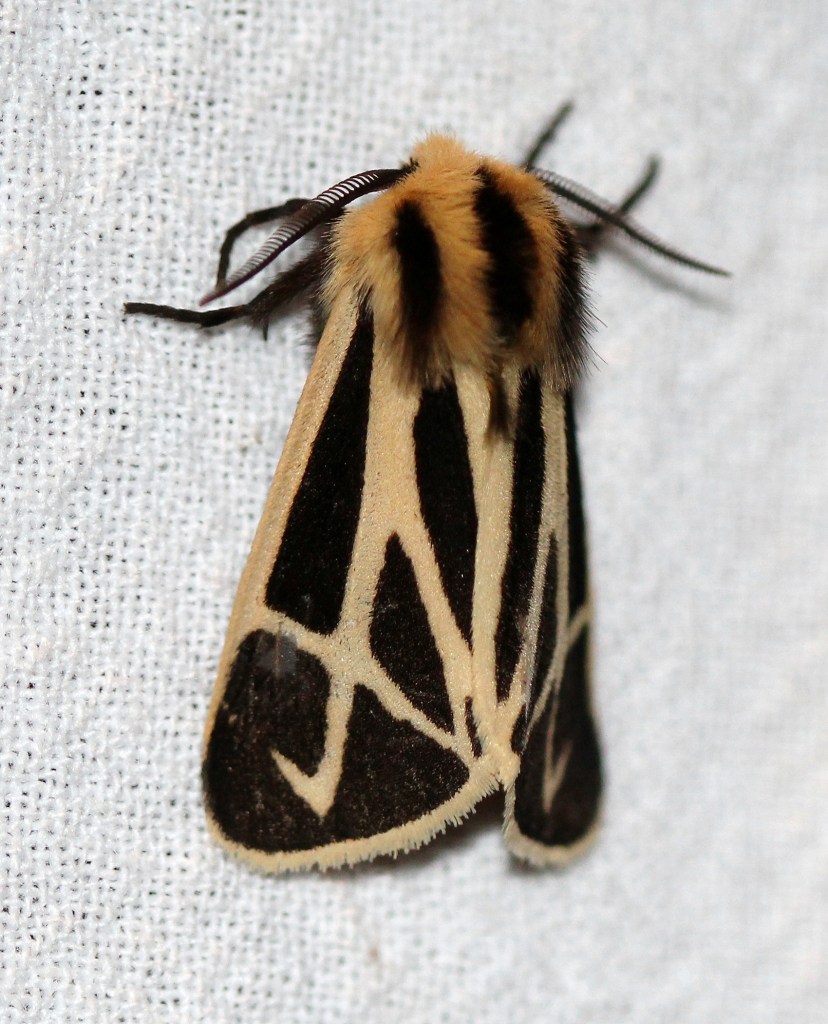
Apantesis phalerata (harnessed tiger moth) one of the new moth species discovered this year at my porch light. Its presence marks a significant range extension north.

I’m building up the checklists on other insect species, too. While not as large (yet) as the moth lists they have been steadily growing. My focus is on bugs, beetles, wasps, and bees which is enough for now. Down below is one example of the new beetles on the checklist, Chlaenius tricolor (ground beetle), which under certain light conditions has a metallic iridescence. More will be coming soon.

Has it really been…

…two years and four months since my last post? Yes, it has. My life has taken some sharp turns and there are new challenges. I am well but there are other things going on and they occupy much of my attention every day. Anyway, once in a great while I will be posting photos and short articles (probably written late at night which lately has become the only time I can have time to myself) of my observations here. Many of my earlier posts were about moths and I have not given up on them. I am now at about 612 species and 421 have been confirmed on various insect and moth oriented web sites. And I see there is some sort of new publishing format that I am going to have to learn. Oh well.