

Macrochilo bivittata is one of those moths I look forward to seeing every year. It isn’t a showy species, just a small triangular-shaped moth with four dark stripes against a buff to brown background, some prominent wing venation, and two pairs of dots. It is in the Herminiinae or litter moths, named because the larvae of many species feed on fallen or dead leaves and fallen fruit.
The reason I get excited about seeing it again is that where I live is one of the few known places in North America where it occurs. Across its range, Macrochilo bivittata is uncommon to rare. Minnesota and Wisconsin appear to have the largest number of observations. The rarity of Macrochilo bivittata may be a lack of verified observations and not rarity based on specialized habits or food requirements, loss of habitat, or replacement by a non-native species. More searches in appropriate habitat could help to resolve this.
A few Macrochilo bivittata moths come to my moth light every year in July. But it is in a nearby old marsh grass hayfield, now reverting to sedge meadow-shrub carr wetland, where I see many more. As I walk through the tall grasses, sedges, and willow shrubs, dozens of these little moths fly ahead of me to escape the disturbance.
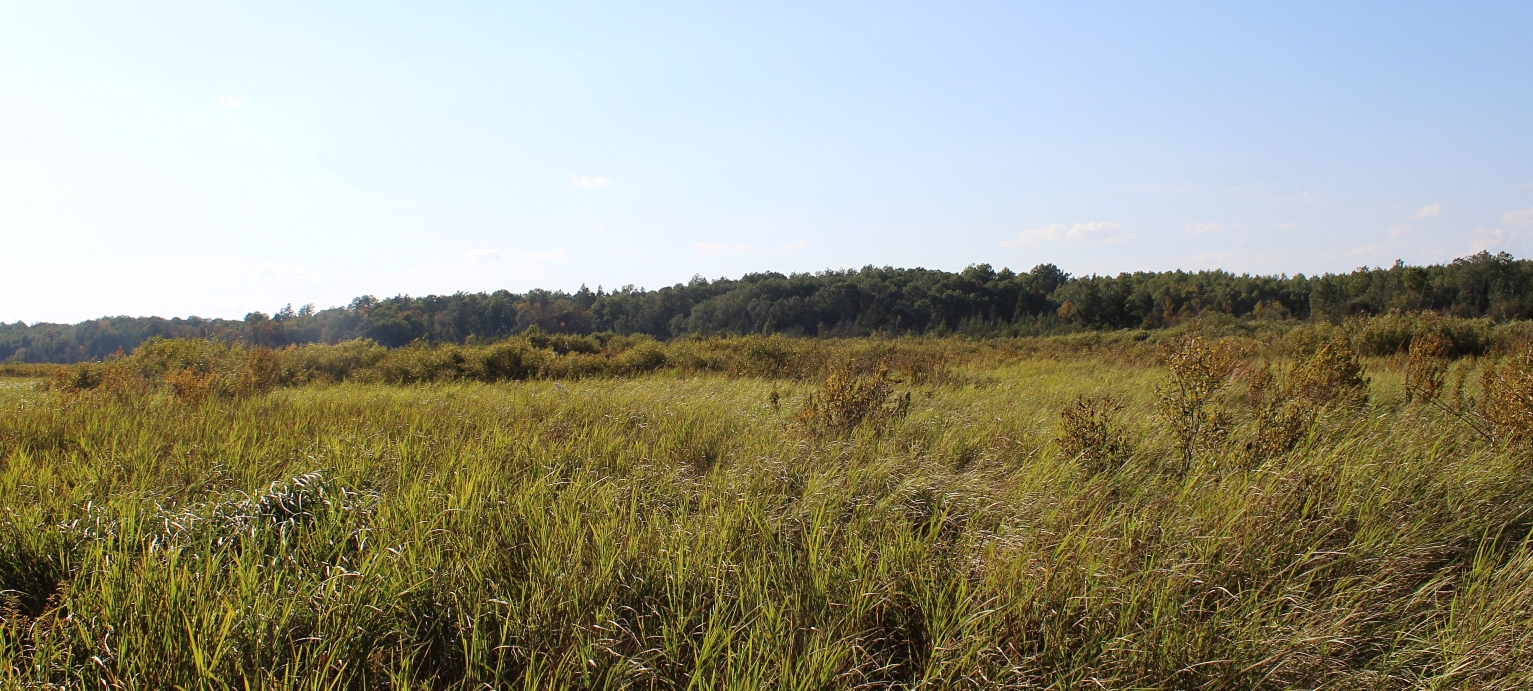
The food preferences of Macrochilo bivittata are not known. It is thought their larvae feed on leaf litter like other members of the Herminiinae. There is certainly an abundance of leaf litter out there under the grasses and willows in the old hayfield. Macrochilo bivittata seems to be doing very well with that.
 Not Very Far Away