

Wordless Wednesday
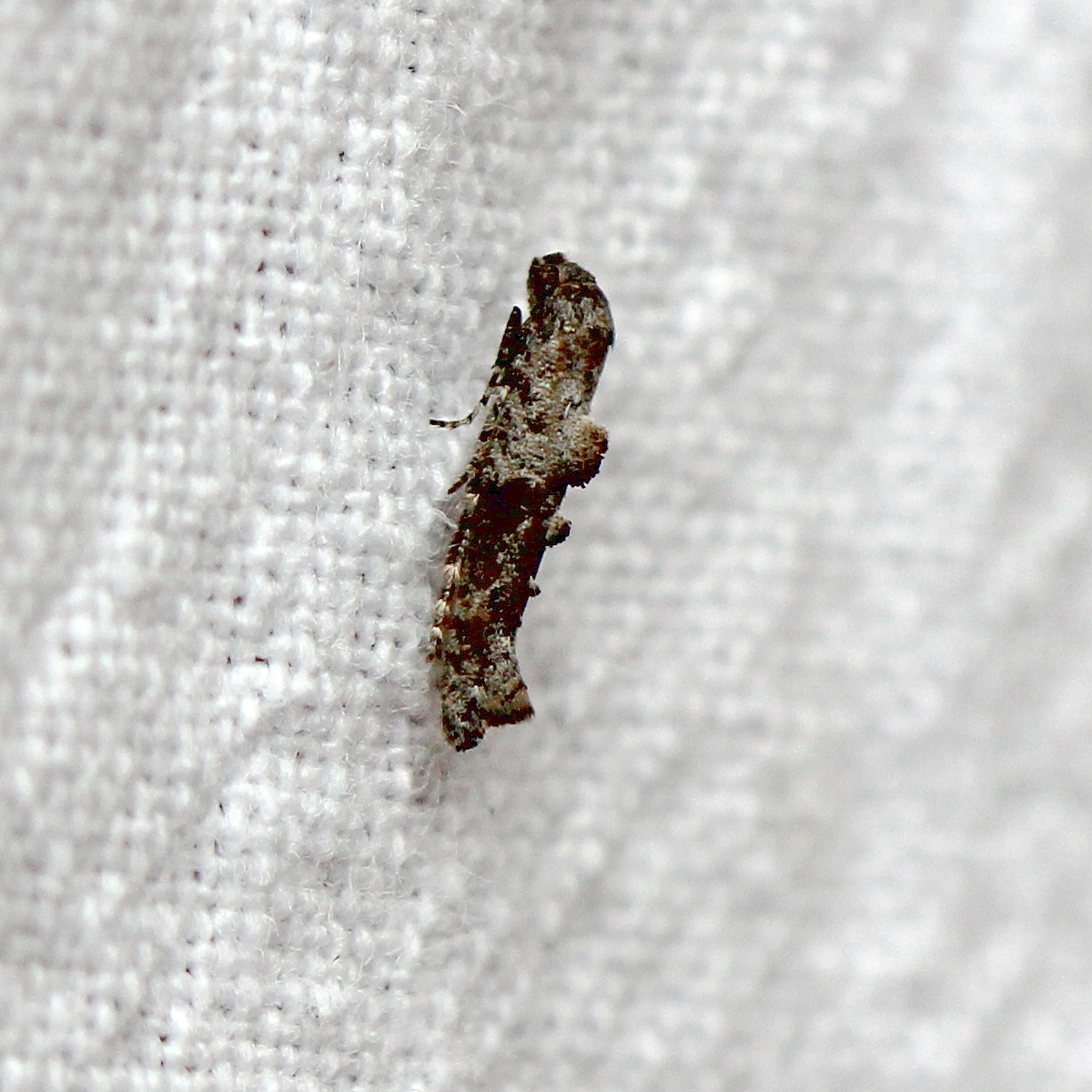
This strange looking gray insect is a moth, and it is very tiny, with a wingspan measuring 13 mm and a body length of around 7 mm (~0.27 inches). It belongs to the genus Epermenia. It may be Epermenia albapunctella, a moth in the Superfamily Epermenioidea (Fringe-tufted Moths), family Epermeniidae.
The first time I saw the moth was in July 2020. I almost passed it by, thinking it was a speck of dust. I’m glad I focused my camera on it because it was not dust but a living moth.
I saw this species two more times after that. Once on September 09, 2018, and again on August 01, 2023.
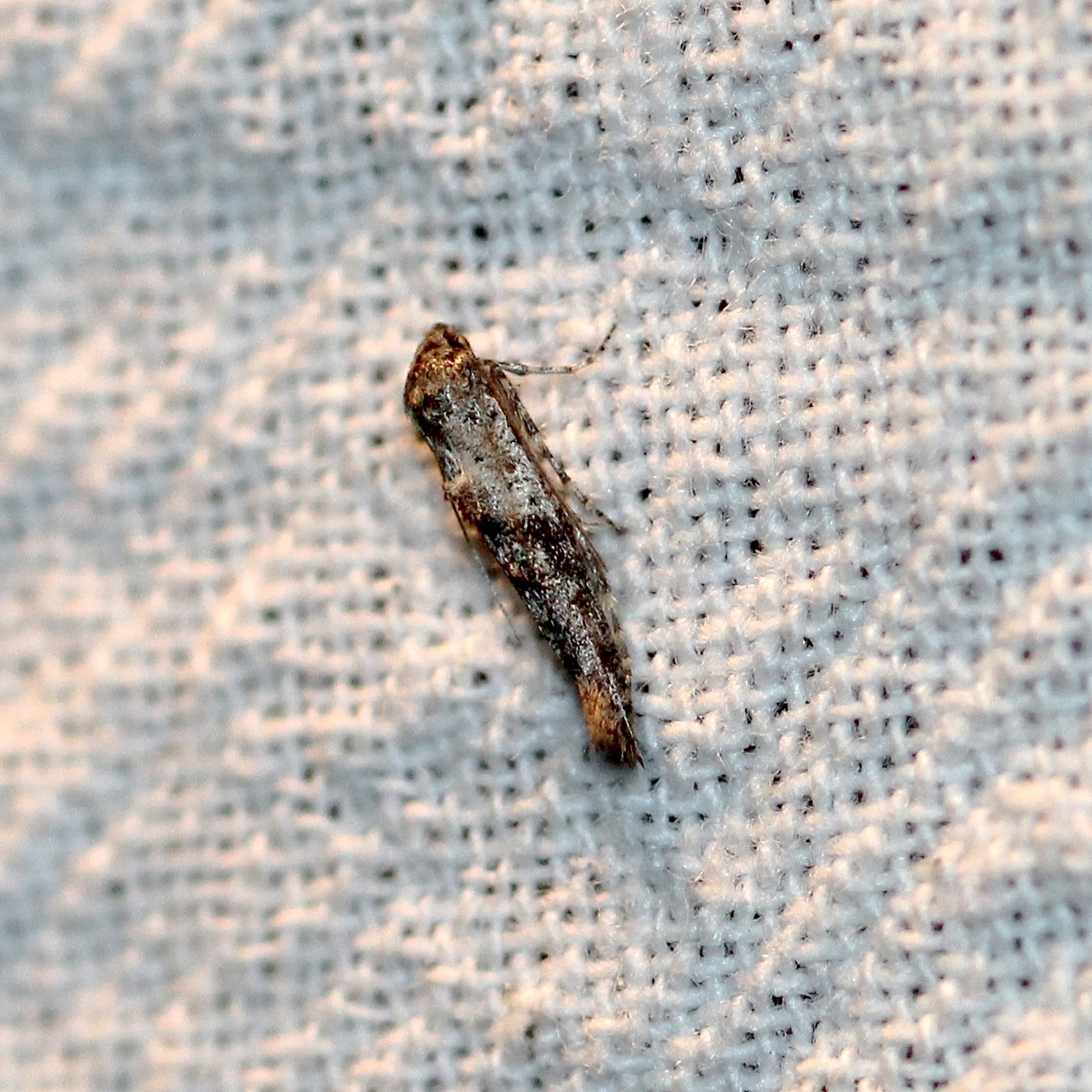
While the species identity I have determined is provisional, it is a species of Epermenia. Identifying many tiny moths to species (and even some larger ones) is not always possible from a photo alone or even from visual examination of wing patterns and colors. Very often, genital dissection and DNA sampling are required. These techniques help resolve species identification where one or more related species look very much alike. They can also help to discover cryptic species.
There are numerous sightings of Epermenia albapunctella (MPG and iNaturalist), indicating it is a widespread and somewhat common species.
The chief larval host plants of Epermenia are in the Apiaceae (carrot family). They feed by mining the leaves, but later feed outside the leaf in silk webs. However, I could not find information on the feeding habits for all Epermenia species.
Several wild plants in the carrot family grow locally: Cicuta spp. (poison hemlock), Heracleum maximum (cow parsnip), Sanicula spp. (snakeroot), Sium suave (water parsnip), and Osmorhiza spp. (sweet cicely). Feral plants of wild carrot (Daucus carota), parsnip (Pastinaca sativa), and caraway (Carum carvi) are found locally, too. And there are, of course, vegetable gardens with cultivated carrots. They are also Daucus carota, but tastier than the wild form, especially in carrot pie.
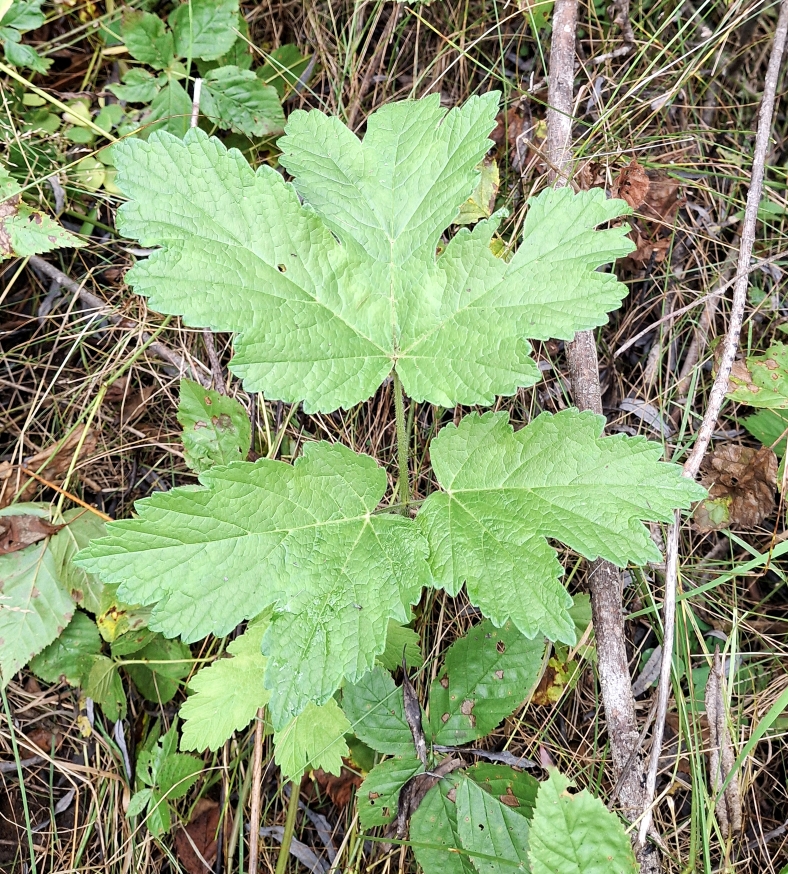
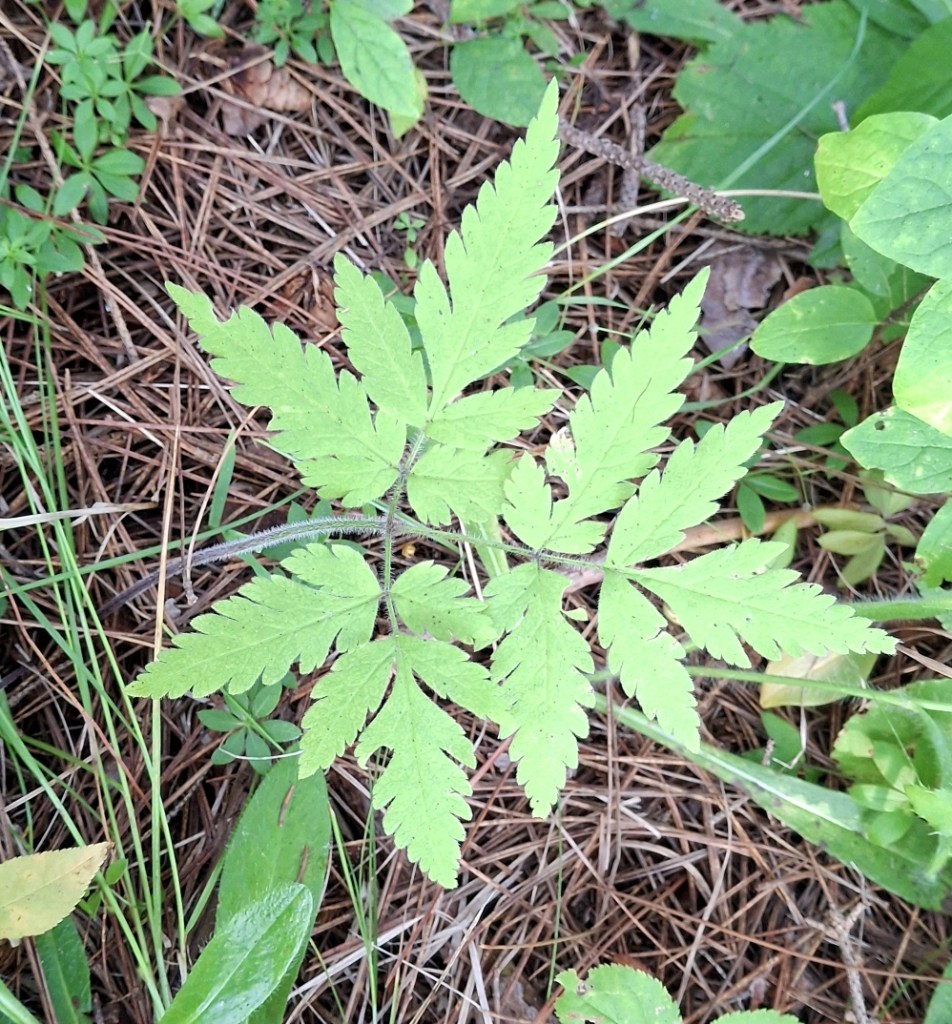
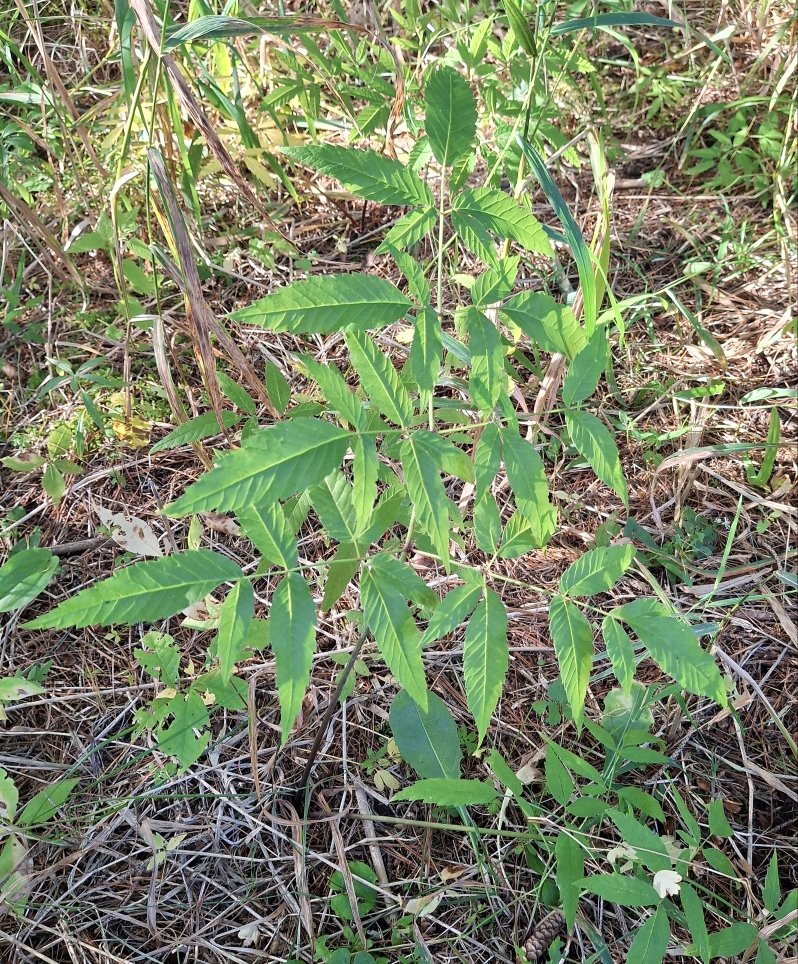
The local abundance of wildflowers in Apiaceae makes locating additional Epermenia moths and larvae more likely. Three species growing here in abundance and with the potential to host Epermenia are sweet cicely, spotted hemlock, and cow parsnip.
Next year, after winter has passed, I’ll be examining any plants in the Apiaceae for Epermenia larvae. I might even plant a carrot patch just for Epermenia. Why else would I plant anything if not for the insects that eat them?
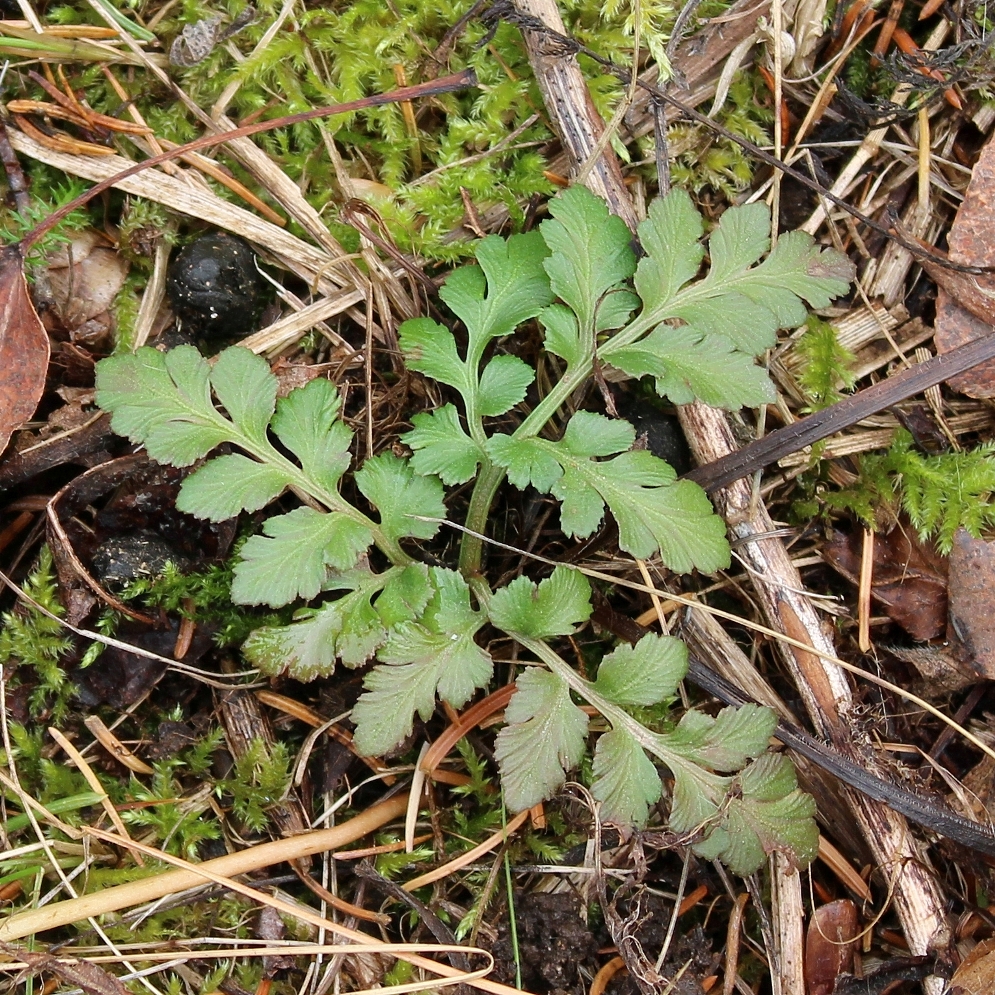
Grape ferns (Sceptridium) and their relatives, the moonworts (Botrychium), are an odd bunch. They grow from stubby subterranean stems with a few thick roots. The stems produce one leaf, rarely two, a year. That leaf is succulent, divided into two parts, one of which is photosynthetic (trophophore), the other reproductive (sporophore). They have a series of buds, one above the other on the subterranean stem, for the next five or so years of leaves.
The photosynthetic part of the Sceptridium leaf is semi-evergreen, meaning it will survive the winter more or less intact. Then, in the spring, it withers away. For a few months, there is no leaf, and then in early summer, a new leaf slowly uncoils, a process that may take more than two weeks.
Grape ferns get their name from the clusters of globular sporangia on the sporophore that look like little bunches of grapes. Grape ferns and their relatives the moonworts were previously placed together in the genus Botrychium. The genus name Botrychium is from the Greek “botrychos” for “bunch of grapes” and Latin “ium” for “small”. The genus name Sceptridium is from the Greek “skēptron,” meaning “scepter” in reference to the upright sporophore.
Sceptridium rugulosum is a grape fern, one of four species known from Minnesota, and it is one of the two rare ones, the other being Sceptridium oneidense.
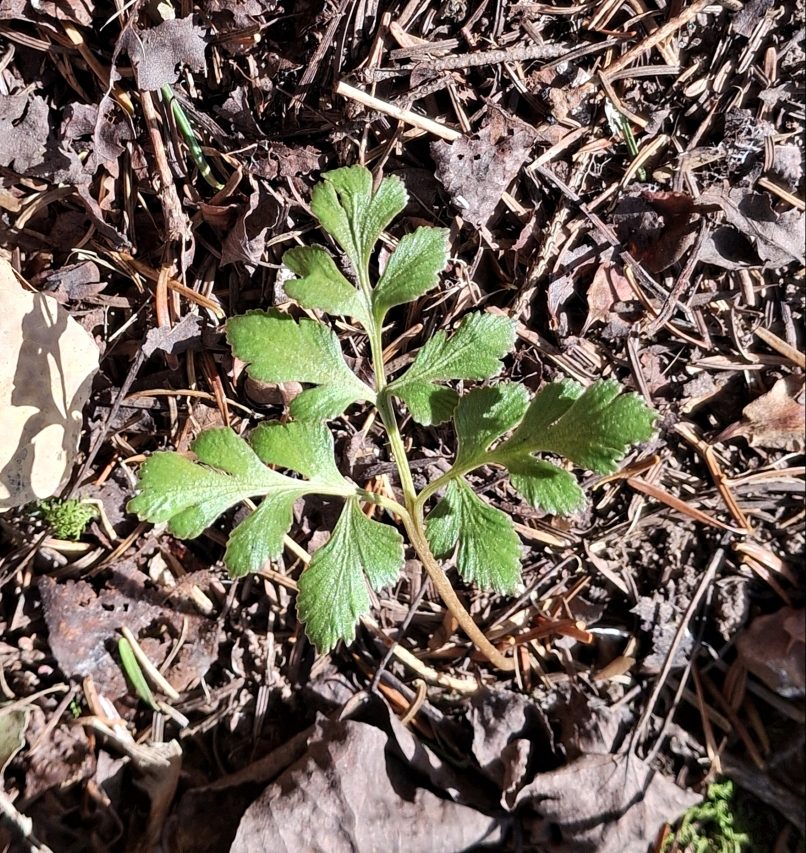
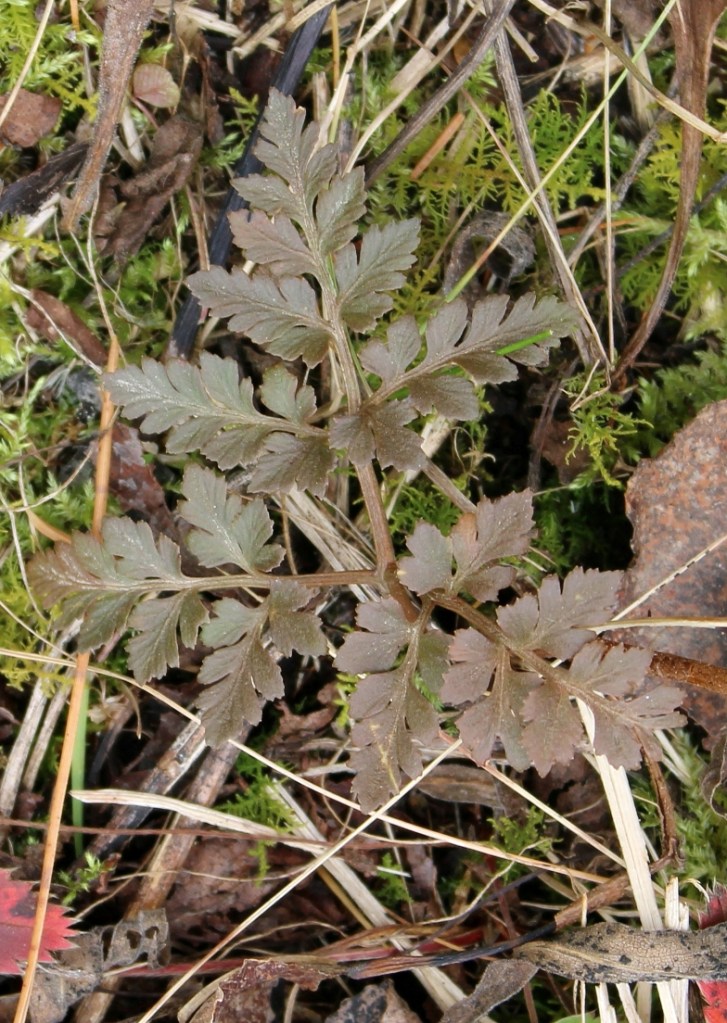

Sceptridium rugulosum has a green, 2 to 4 pinnate, 15 by 26 cm trophophore blade with up to nine pinnae pairs. The surface is rugulose (finely wrinkled) and concave. The angular pinnules (secondary segments) have denticulate margins and pointed tips.
Sceptridium rugulosum can live for many years. The one in the photo below was first seen eighteen years ago.
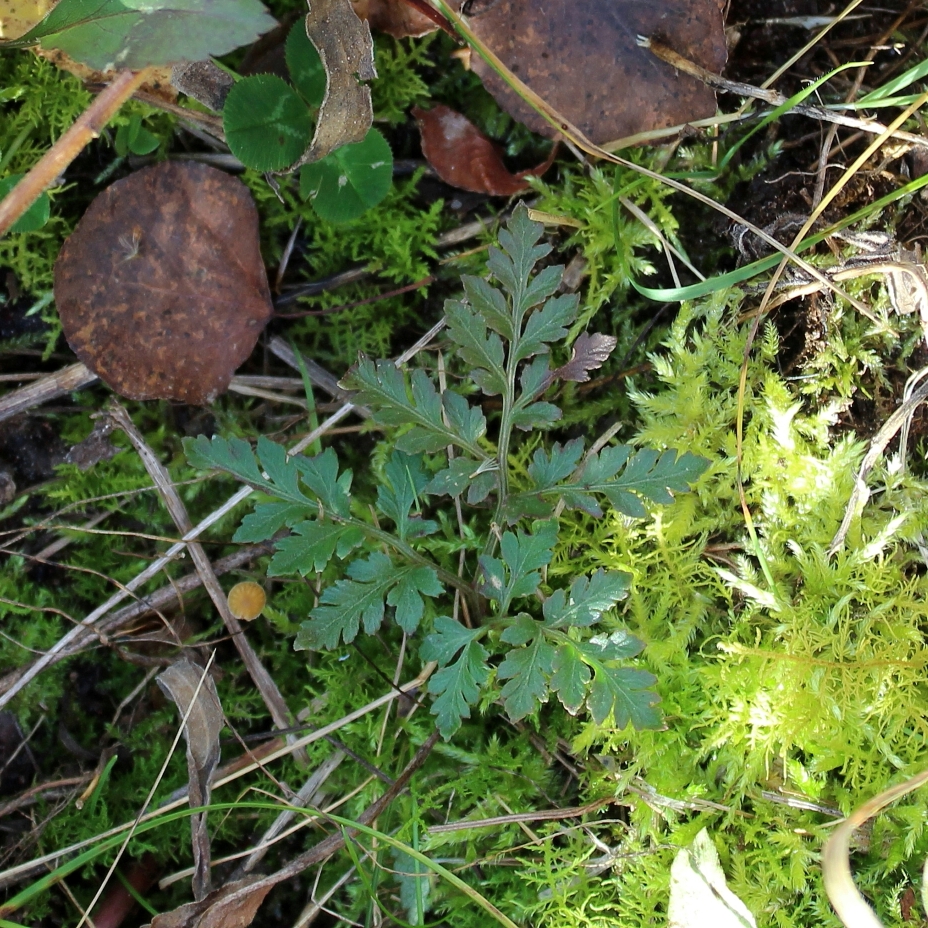
Look for Sceptridium rugulosum in brushy fields, open forests, and meadows.
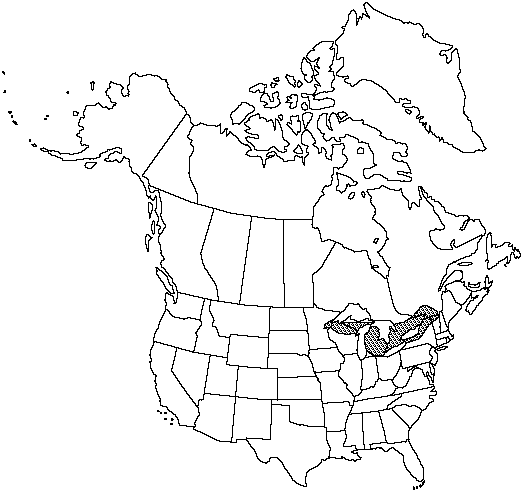
Sceptridium rugulosum is endemic to the Great Lakes and St. Lawrence Seaway regions. The range map above from the FNA is a bit outdated, and Sceptridium rugulosum is now known to occur more widely in Minnesota. There is also a report from Connecticut.
At one time, Sceptridium rugulosum was considered to be a variety or form of Sceptridium (Botrychium) multifidum under the name Botrychium multifidum forma dentatum. It was also included under the name Botyrchium ternatum, which is as an eastern Asian species distinct from Sceptridium rugulosum. Also, the name Botrychium ternatum is listed as auct. non (“of authors, not”), meaning the name was applied by multiple authors to different species.
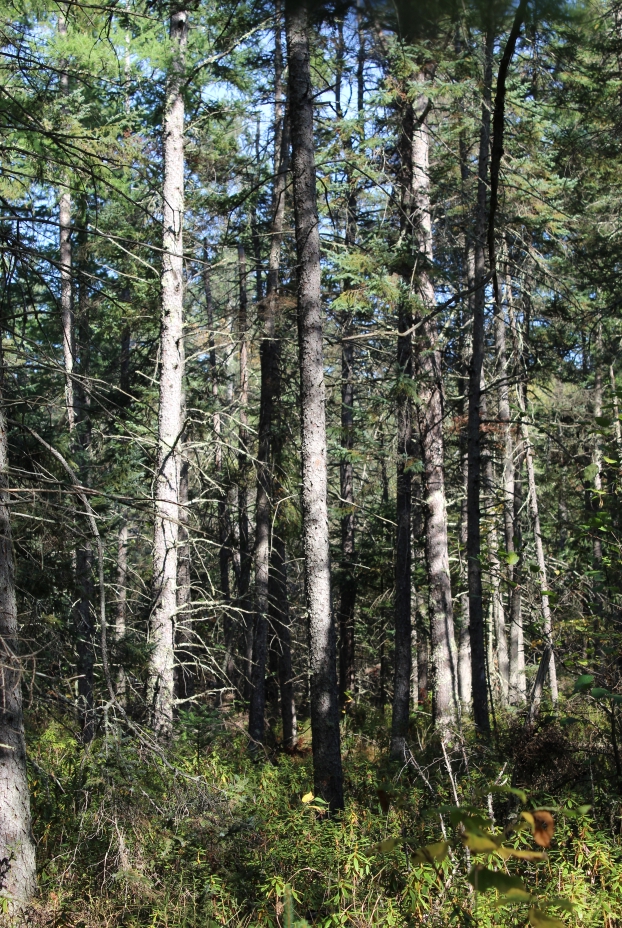
 Not Very Far Away