
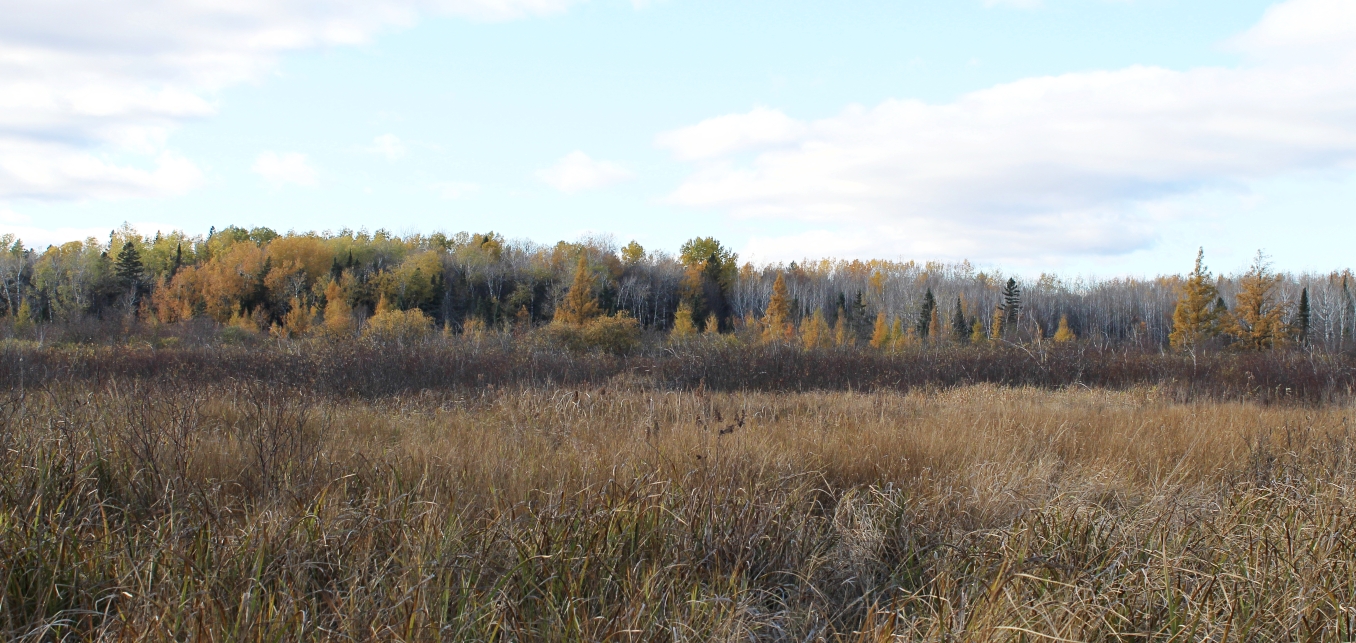
Wordless Wednesday
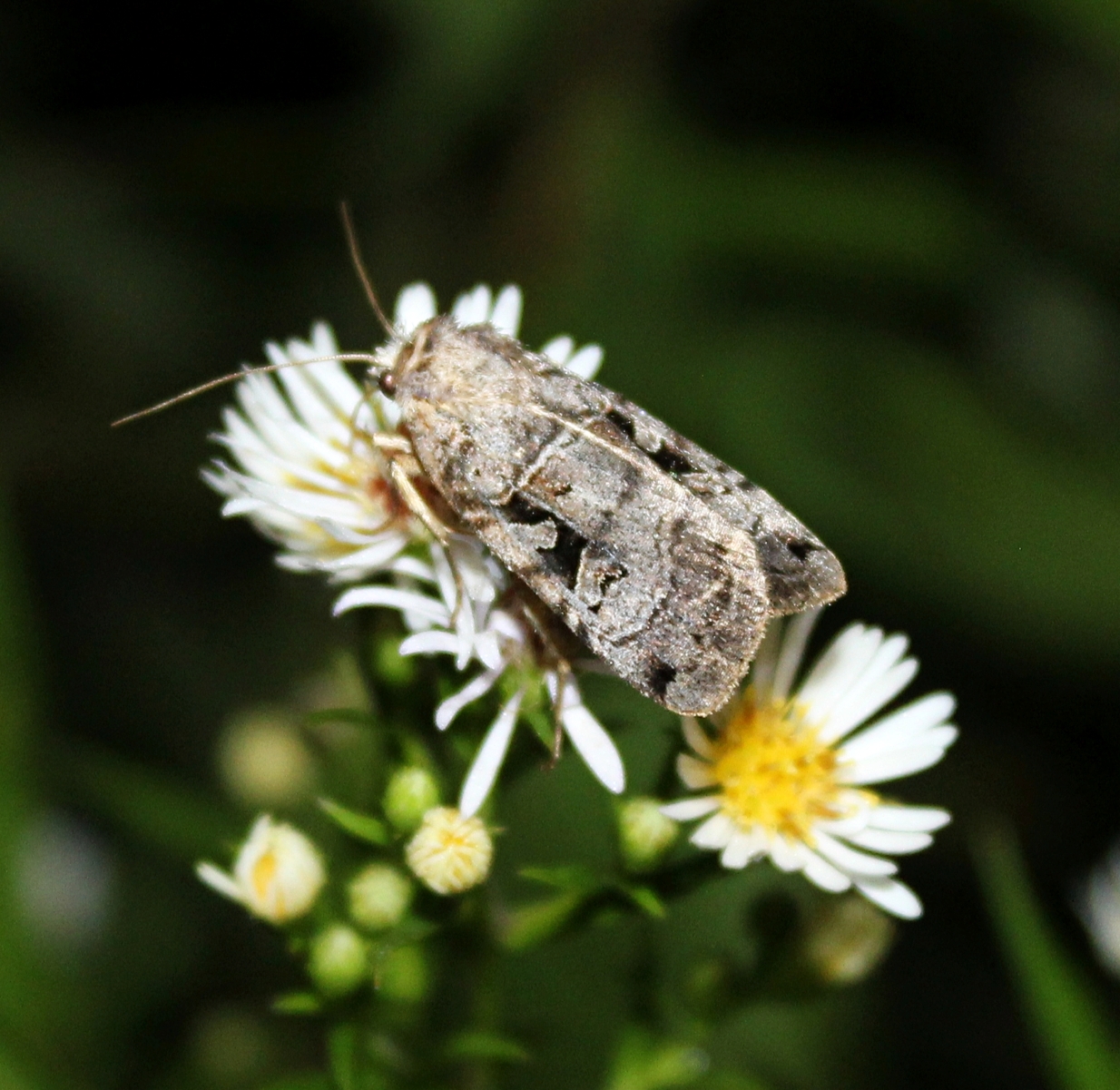
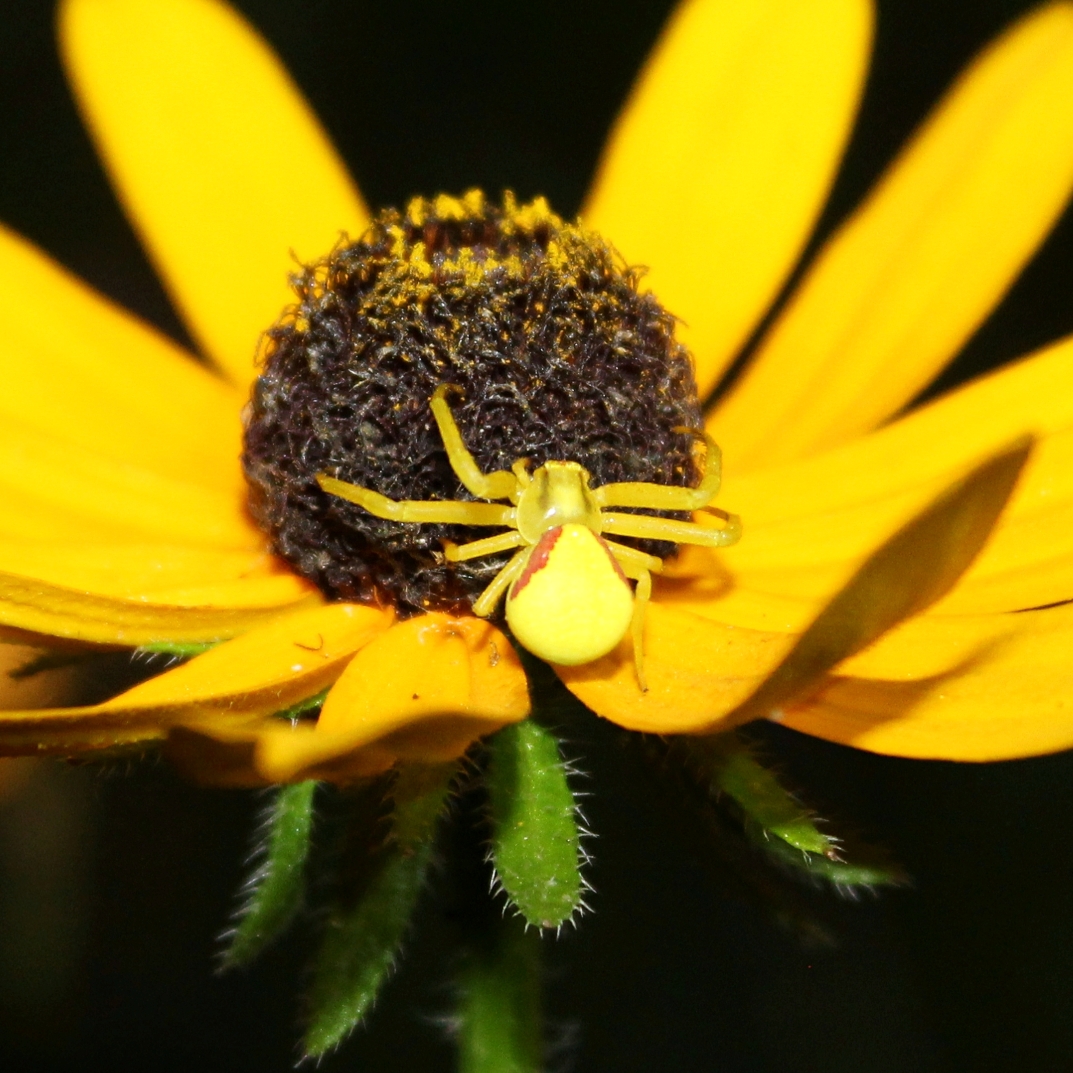
What do moths do at night anyway? Some of them visit flowers for nectar.
Back in August, I was wandering about in the woods at night looking for foxfire fungi. At the head of the trail on my way out, I saw a sunflower plant with something on the flowers. It was a green tree cricket (Oecanthus) eating the stamens in the sunflower florets.
The next night, I went back but this time with my camera, hoping to find more tree crickets. I had my LED headlamp on like the previous night and used it to illuminate the flowers and foliage where I wanted to photograph. I also set the flash of my camera to “on”.
Although I could hear tree crickets in the bushes, I didn’t see any this time. What I did see were lots of moths on sunflowers and asters. Aiming the lamp’s beam at the flowers, I then pointed my camera at the moths and began taking photos. I wasn’t using a tripod, so many were blurry. Some were also overexposed by the bright LED light. But a few turned out.
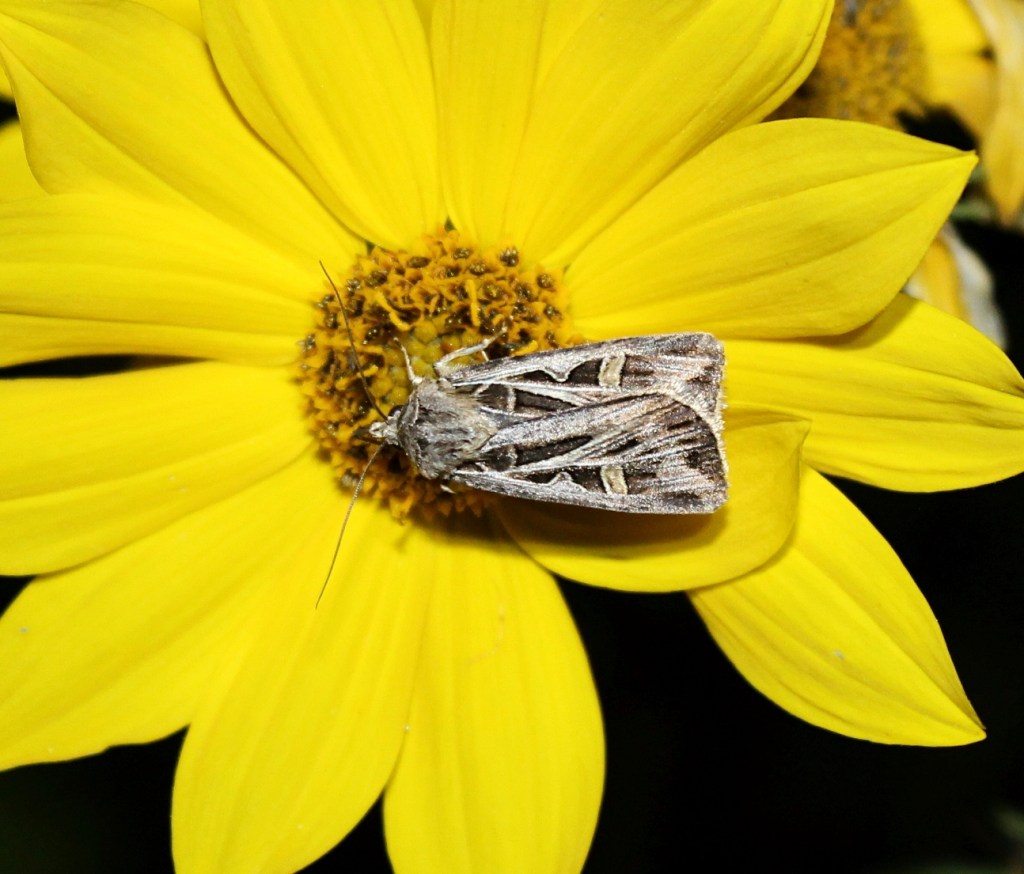
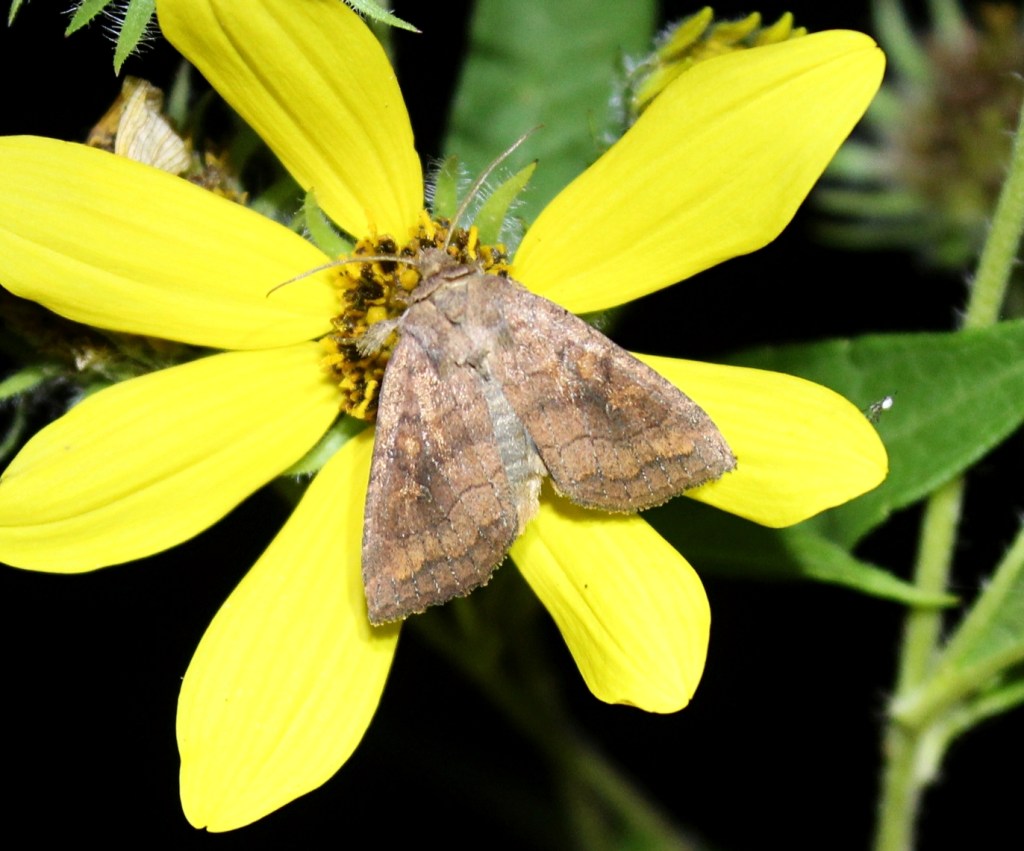
The moth species (Xestia normanianus, Feltia jaculifera, and Nephelodes minians) I found on flowers at night came as no surprise. These and other dart moth species are common visitors to my moth lights. But it was exciting to see them going about their normal activities in a natural setting. I never did find any foxfire this year.
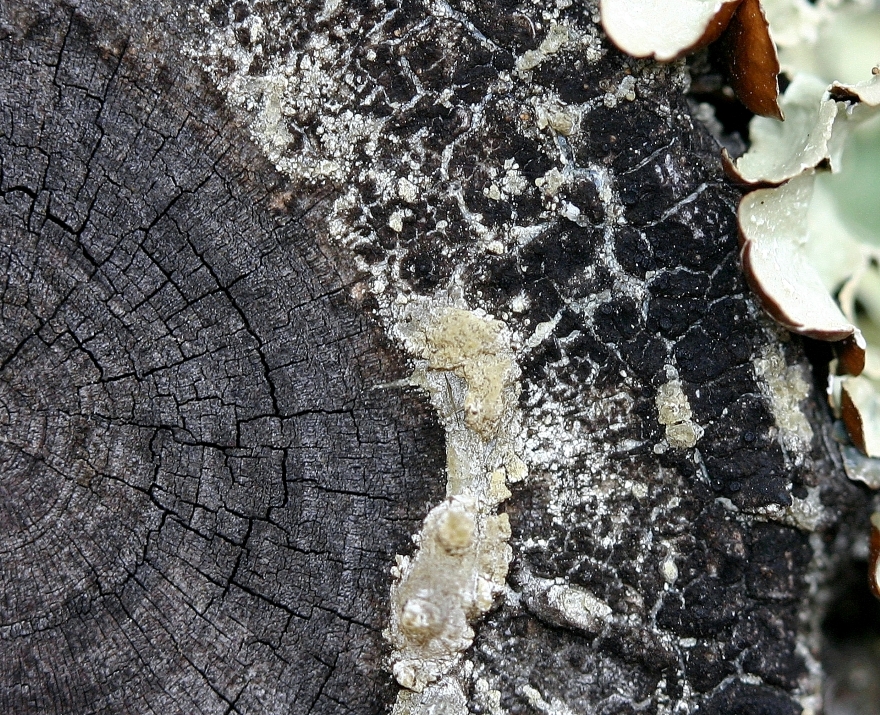
Conifer resin oozing from a tree is an inhospitable place. The terpenoid chemicals in resin are toxic to many forms of life, but not all. Even though conifer resins are full of anti-fungal and anti-bacterial compounds, some organisms have found a way around that. One of these is a fungus called Sarea, a genus of fungi that grows on the resins of pines, spruces, firs, and cedars. Organisms that live on resins are called resinicolous (resin plus “colous” meaning “inhabitant”).
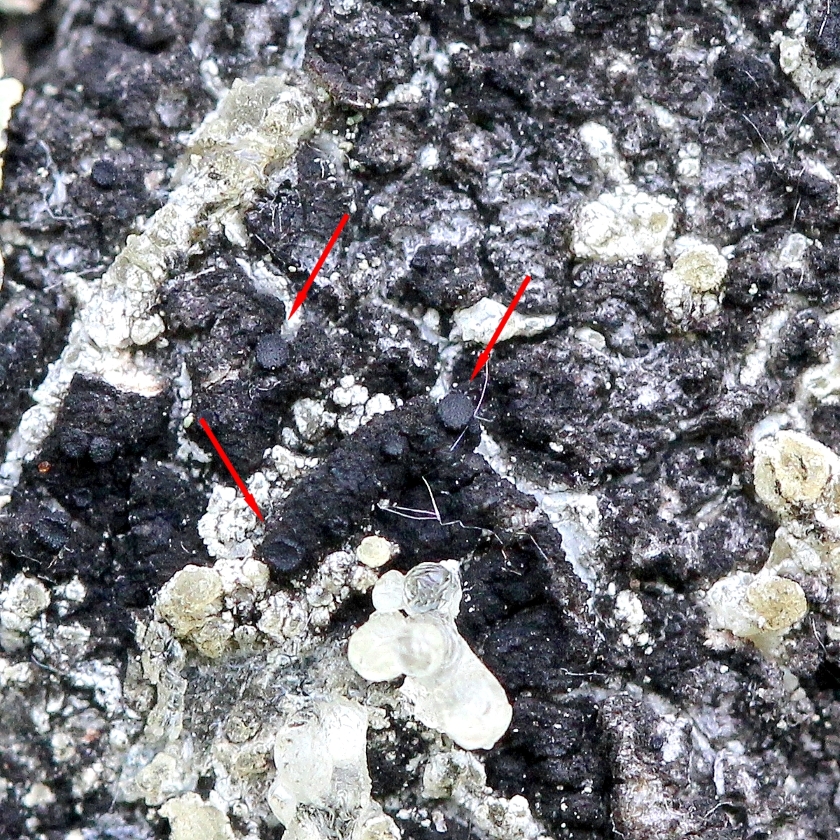
At one time, Sarea was thought to be a lichen, but because it lacks a photobiont (symbiotic photosynthetic organism), it has been “demoted” to a fungus. The tiny (barely 1 mm across) fungus bodies pictured above and below growing on the resin of a black spruce are, to the best of my knowledge, the apothecia (reproductive structures) of Sarea difformis. Cross-sections of the fruiting body examined under a microscope would make identification more certain, but that’s a bit out of my reach right now.
I have looked for research papers on how Sarea can live on conifer resin, but the results have not yielded much information. Does it actually break down the resin components into simple carbohydrates? If so, then does it do this on its own, or is there a symbiotic relationship with bacteria or another fungus? Are the fungal hyphae growing in the resin or merely on top? How does it disperse? A lot of questions, and I’m sure there are answers somewhere.
Sarea is a genus in the phylum Ascomycota (cup fungi, sac fungi), which includes familiar mushrooms like morels and the blue mold in Roquefort cheese. The taxonomy of the genus Sarea is not entirely settled, so some species may be moved to other genera, and species from other genera may be moved to Sarea. Also, new species are being discovered.
A similar resinicolous species that might be encountered in northern coniferous forests is Sarea (Zythia) resinae. It can be distinguished morphologically by the color of its apothecia. Sarea difformis has black apothecia, and Sarea resinae has orange apothecia.
Sarea is not a rare fungus, but because of its small size and peculiar habitat, it is just rarely seen. It occurs throughout the cooler regions of the northern hemisphere.
 Not Very Far Away